
How Do Battery Chargers Support RV Travel, Camping Gear, and Portable Power Stations?
Introduction
Power availability has become one of the most important factors influencing the comfort, safety, and convenience of outdoor experiences. Whether traveling long distances in an RV, spending a weekend at a remote campsite, or relying on a portable power station for off-grid activities, every device depends on a stable and predictable source of energy. From navigation tools and lighting to refrigeration units and communication equipment, today’s outdoor setups require more than just basic battery storage—they require a reliable way to recharge those batteries anytime, anywhere.
A battery charger plays a central role in keeping these systems operational. It ensures that onboard batteries remain healthy, outdoor electronics stay powered, and portable energy stations can deliver consistent output even during extended trips. As outdoor lifestyles continue to grow in popularity—from road trips and boondocking to overlanding and remote work setups—the need for dependable charging solutions has become increasingly essential.
Modern battery chargers are designed not only to replenish energy but also to manage charging efficiency, adapt to varying weather conditions, and protect equipment from voltage fluctuations. Their contribution goes far beyond keeping a battery full—they help maintain stable operation, extend battery lifespan, and support a wide range of outdoor gear that travelers rely on daily.
Why Is a Stable Power Source Critical for RV Travel and Outdoor Activities?
Ensuring Consistent Energy for Road Travel and Daily Living
RV travel involves powering essential onboard systems such as lighting, ventilation, refrigeration, water pumps, and entertainment devices. When traveling through remote highways or national parks, grid access is often unavailable. A stable power source ensures these functions continue without interruption, supporting a comfortable and predictable journey regardless of distance or weather.

Managing Multiple Devices During Camping and Outdoor Stays
Modern outdoor activities typically rely on a wide set of electronic devices—portable freezers, GPS units, radios, lanterns, and smartphone chargers. When these devices operate simultaneously, battery drain accelerates. Without stable recharging capability, campers can quickly lose access to important tools that enhance safety and convenience. A dependable power source prevents unexpected shutdowns and keeps essential gear ready for use.
Supporting Emergency and Safety Equipment
In outdoor environments, emergencies may occur without warning. Whether dealing with unexpected weather changes, low temperatures, or vehicle-related issues, equipment such as emergency radios, air compressors, first-aid device chargers, and signal lights must remain functional. Stable power ensures these tools perform reliably when they are needed most.
Improving Comfort and Reducing Stress During Extended Trips
The longer the outdoor trip, the higher the demand for electricity. Travelers depend on stable power to run fans, heaters, communication devices, and cooking appliances. Knowing that batteries can be recharged efficiently reduces uncertainty and helps maintain a stress-free experience, especially in locations far from support services.
How Do Battery Chargers Ensure Reliable Power for RV Systems on the Road?
Maintaining Healthy 12V House Batteries During Long Trips
Most RVs rely on a 12V battery system to power interior lighting, refrigerators, water pumps, fans, and control panels. These batteries experience constant discharge as travelers use appliances throughout the day. A battery charger ensures they return to an optimal charge level during rest stops or at campgrounds, preventing energy deficits and keeping core systems fully operational.
Balancing Multiple Power Sources While Traveling
RVs often combine several power inputs—vehicle alternators, shore power, portable generators, and solar panels. Without proper management, inconsistent voltage from these sources can affect battery performance. Modern battery chargers stabilize input fluctuations, regulate charging currents, and ensure batteries receive the correct voltage at every stage, enabling smooth transitions between power sources during road travel.
Protecting RV Electronics from Voltage Irregularities
Outdoor temperatures, engine vibrations, and long driving hours can cause voltage instability within an RV’s electrical system. Sensitive equipment like refrigerators, thermostats, and smart control panels require clean, stable voltage to avoid malfunction. A high-quality battery charger includes overload, short-circuit, and over-voltage protections that help shield these devices from sudden electrical stress.
Improving Charging Efficiency Under Changing Weather Conditions
RV travelers frequently encounter varying temperatures—from cool mountain regions to hot desert environments. Battery efficiency changes accordingly. Battery Chargers equipped with temperature compensation adjust charging voltage to match environmental conditions. This ensures faster, safer, and more efficient charging, even when weather shifts rapidly on the road.
Supporting Overnight Use When Grid Power Isn't Available
When boondocking or staying at remote locations, RV batteries must supply energy throughout the night. A reliable battery charger helps maximize stored energy before nightfall and replenishes it quickly when power becomes available again. This ensures essential RV systems continue functioning without interruption.
What Role Do Battery Chargers Play in Powering Camping Gear and Outdoor Electronics?
Lighting and navigation are two of the most critical elements of any outdoor experience. LED lanterns, headlamps, campsite floodlights, GPS devices, and digital maps all depend on stable battery power to function properly. When these devices run low on energy, night visibility decreases and route planning becomes unreliable—both of which can compromise safety in remote environments. A dependable battery charger ensures these essentials remain powered throughout the trip, even during multi-day camping or off-grid travel.
Supporting Portable Refrigerators and Food Preservation Equipment
Portable refrigerators and electric coolers have become popular among campers looking to preserve food and maintain fresh supplies without relying on ice. However, these appliances consume a significant amount of energy over long periods. A high-quality battery charger replenishes the power they drain, allowing them to operate efficiently day and night. This helps prevent food spoilage, supports meal planning, and makes extended camping far more convenient and enjoyable.
Powering Communication Devices and Outdoor Safety Gear
Outdoor communication equipment—such as two-way radios, satellite messengers, emergency beacons, and weather receivers—plays an essential role in safety. These devices must remain operational, especially in isolated areas with no cellular coverage. A battery charger provides steady replenishment, ensuring critical communication tools stay ready for emergencies. Reliable charging capability reduces the risks associated with low battery levels during unexpected situations.
Supporting High-Drain Tools and Recreational Electronics
Many outdoor tools and activities rely on devices that draw large amounts of power: drones, portable air compressors, electric inflators, camera stabilizers, and action cameras. These devices often require fast, stable charging to keep up with frequent use. Advanced battery chargers with smart charging modes and adaptive current control help maintain fast charging speeds without compromising battery health, ensuring outdoor equipment performs consistently throughout the journey.
Enabling Work, Photography, and Creative Activities in Remote Locations
Outdoor experiences are increasingly combined with remote work, photography, videography, and content creation. Laptops, cameras, microphones, and power banks all require steady charging to support long sessions of work or recording. A reliable battery charger ensures professionals and hobbyists can operate their devices without interruption, turning remote campsites into functional spaces for productivity, creativity, and documentation.
How Do Battery Chargers Improve the Performance of Portable Power Stations and Off-Grid Energy Systems?
Maximizing Energy Storage Capacity for Extended Off-Grid Use
Portable power stations and off-grid systems rely on stored energy to support outdoor appliances, lighting, and electronic devices. When these systems run for long hours—especially during overnight camping or multi-day travel—the available capacity can drop quickly. A reliable battery charger helps replenish stored energy efficiently, ensuring power stations remain ready for continuous use. This maximizes energy availability and prevents interruptions during critical moments.
Enhancing Charging Efficiency for Solar and Hybrid Power Setups
Many outdoor power stations integrate solar panels as their primary charging source. However, solar generation fluctuates based on weather, time of day, and geographical location. A high-quality battery charger stabilizes these inputs by regulating voltage and optimizing the charging process. In hybrid systems that combine solar, vehicle alternators, and grid charging, the charger ensures smooth transitions and prevents inconsistent voltage from affecting battery performance.
Providing Stable Output Voltage for Sensitive Electronics
Off-grid power stations often support a mix of sensitive electronics—such as medical devices, laptops, drone batteries, and camera gear. These devices require clean, stable voltage to operate safely. A battery charger helps maintain consistent charging output, protecting sensitive equipment from damage caused by voltage spikes, dropouts, or irregular currents. This is especially important when traveling through environments where temperatures and load demands shift frequently.
Improving Battery Lifespan Through Intelligent Charging Modes
Smart battery chargers use multi-stage charging algorithms that adjust current and voltage according to battery condition. These modes help prevent overcharging, undercharging, and overheating—three issues that significantly shorten battery life. By ensuring each charging cycle is optimized, the charger supports long-term durability of both portable power stations and standalone off-grid battery banks.
Supporting Emergency Power Availability in Remote Locations
In off-grid environments, losing power can create safety challenges—particularly at night or during adverse weather. Having a reliable battery charger means users can quickly restore backup power, maintain communication tools, and keep essential devices operational. This reduces the risk associated with unexpected battery depletion and ensures that emergency power is always within reach.
What Features Matter Most When Selecting a Battery Charger for Outdoor and RV Use?
Compatibility With Different Battery Types and Voltages
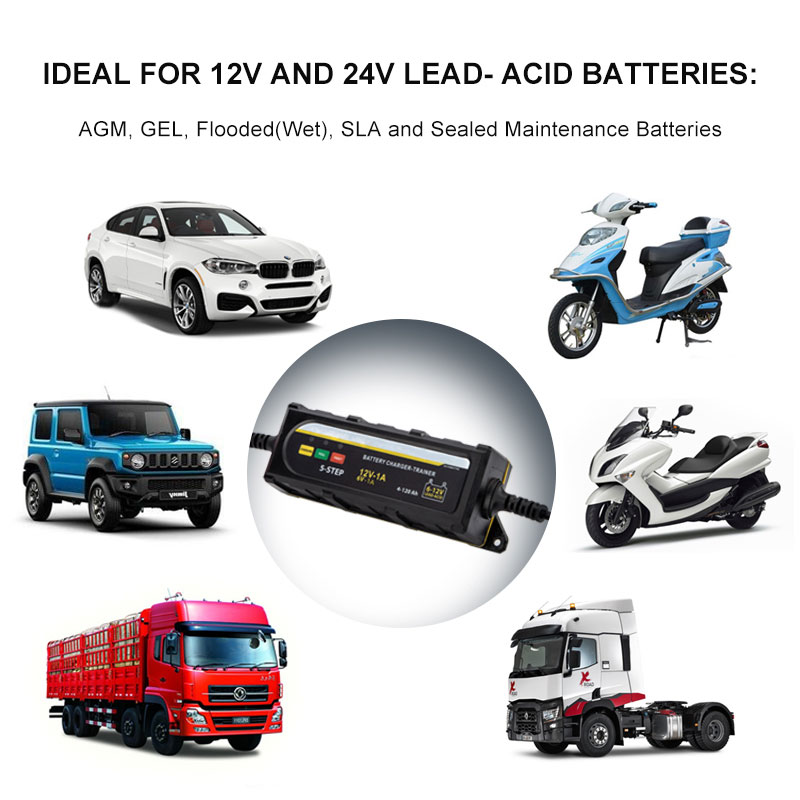
Outdoor and RV systems may use various battery chemistries—AGM, GEL, flooded lead-acid, or lithium iron phosphate (LiFePO₄). Each type requires specific charging voltages and profiles. A suitable battery charger must support these battery chemistries and match the system voltage, whether 12V, 24V, or higher. Compatibility ensures accurate charging, prevents damage, and maintains overall system safety.
Smart Multi-Stage Charging for Better Efficiency and Protection
Quality chargers use multi-stage charging algorithms such as bulk, absorption, and float modes. These stages help deliver faster charging when needed, then gradually reduce current to protect the battery from overcharging. For outdoor users who rely on frequent and extended charging cycles, smart charging ensures optimal performance and longer battery lifespan.
Durability and Weather Resistance for Harsh Outdoor Environments
Outdoor charging conditions can include dust, moisture, high humidity, and significant temperature swings. Choosing a charger built with rugged materials and adequate protection—such as robust casing, cooling systems, and weather resistance—ensures reliable operation in challenging environments. Durability is especially important for RV travelers passing through different climate zones.
Fast Charging Capability for High-Demand Devices
When refrigerators, lighting systems, communication equipment, or portable tools require frequent use, slow charging becomes a major inconvenience. A charger with high output capacity or adaptive current control can reduce downtime significantly. Fast-charging capability ensures batteries are replenished quickly, enabling continuous operation of essential outdoor devices.
Safety Features for Stable and Reliable Use
Outdoor power systems must handle fluctuating temperatures, inconsistent loads, and potential voltage irregularities. Important safety features include over-voltage protection, short-circuit protection, reverse polarity protection, and thermal monitoring. These safeguards help prevent equipment damage and reduce risks during long trips or off-grid stays.
Portability and Ease of Use for Travel
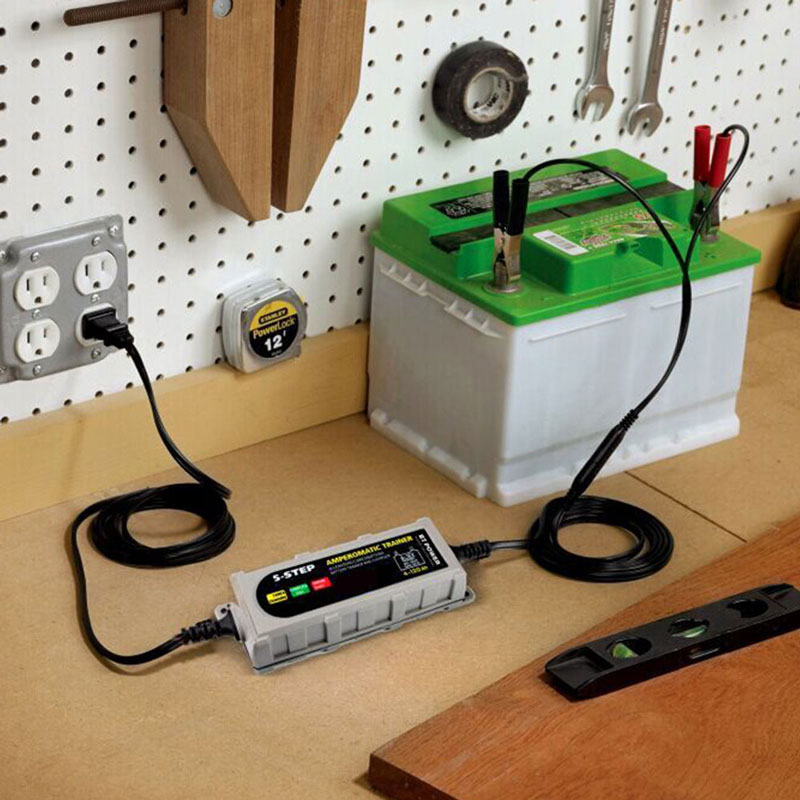
Travelers often move between campsites, adjust equipment layouts, or charge devices on the go. A compact, lightweight charger with simple controls makes outdoor charging more convenient. Chargers with clear displays, status indicators, or digital interfaces help users monitor charge levels easily, improving overall experience during RV or camping trips.
How Can Users Match the Right Battery Charger to Their Outdoor Energy Setup?
Identify the Battery Type and System Requirements First
Every outdoor setup begins with understanding the type of battery in use. Lithium batteries require precision charging and protection circuits, while AGM and GEL batteries need multi-stage charging to maintain performance. Confirming battery chemistry, system voltage, and recommended charging parameters is the foundation for selecting the right charger.
Match Charger Output to the Required Power Demand
Outdoor users often run multiple devices, from lighting and refrigerators to communication gear and portable tools. The charger’s output current must be sufficient to replenish the battery within a reasonable time frame. A higher-amperage charger reduces downtime and ensures batteries stay ready even during extended activities or heavy usage.
Consider the Duration and Style of Outdoor Travel
Short weekend trips, long-distance RV travel, and off-grid exploration each have different charging needs. Travelers who frequently move between campsites may prioritize fast charging, while off-grid users benefit from solar-compatible chargers and hybrid charging options. Matching the charger to the travel lifestyle ensures consistent energy availability.
Check the Compatibility With Additional Power Sources
Many outdoor energy systems combine multiple charging methods—vehicle alternators, solar panels, generators, or portable power stations. A charger that integrates seamlessly with these sources improves flexibility and reduces the risk of inconsistent voltage. Compatibility ensures smooth transitions and stable battery performance throughout the journey.
Evaluate Physical Durability and Environmental Protection
Outdoor environments include dust, humidity, rain, temperature extremes, and physical vibrations. A reliable charger should feature solid casing, secure connectors, and proper cooling or protection mechanisms. Choosing a model designed for rugged use prevents performance degradation and ensures safe operation in harsh outdoor conditions.
Prioritize User-Friendly Operation and Monitoring Features
Clear indicators, digital displays, and intuitive controls help users understand charging status, detect faults, and optimize energy usage. Features such as temperature compensation, automatic shutdown, or smart monitoring enhance daily operation and reduce the risk of human error—especially important during long-distance travel or late-night charging.
Conclusion
A dependable battery charger plays a central role in ensuring consistent, safe, and efficient power for RV travel, camping activities, and portable energy systems. From maintaining healthy RV house batteries to powering essential outdoor electronics and supporting off-grid power stations, a high-quality charger ensures every device performs reliably when it matters most. It not only replenishes energy but also protects equipment, improves battery lifespan, and enhances the overall outdoor experience by reducing power-related challenges.
As outdoor lifestyles continue to expand—covering long-distance road trips, remote work environments, photography projects, and multi-day camping adventures—the need for smart, durable, and efficient charging solutions becomes increasingly important. Choosing the right charger requires understanding battery types, energy demands, environmental conditions, and system compatibility. When these factors align, users can enjoy stable power no matter where the road leads.
For those seeking reliable performance and long-term durability in outdoor and mobile power applications, trusted solutions from CARSPA provide the confidence and support needed for every journey.


