
Why a Solar Charge Controller Is Key to Reliable Outdoor Power Systems?
Introduction
Outdoor power systems continue to expand in remote environments, RV travel, campsite operations, and mobile energy solutions. In these scenarios, solar power has become a trusted and sustainable source of electricity — but without reliable battery management, energy cannot be stored or delivered efficiently. This is where a solar charge controller plays a mission-critical role.
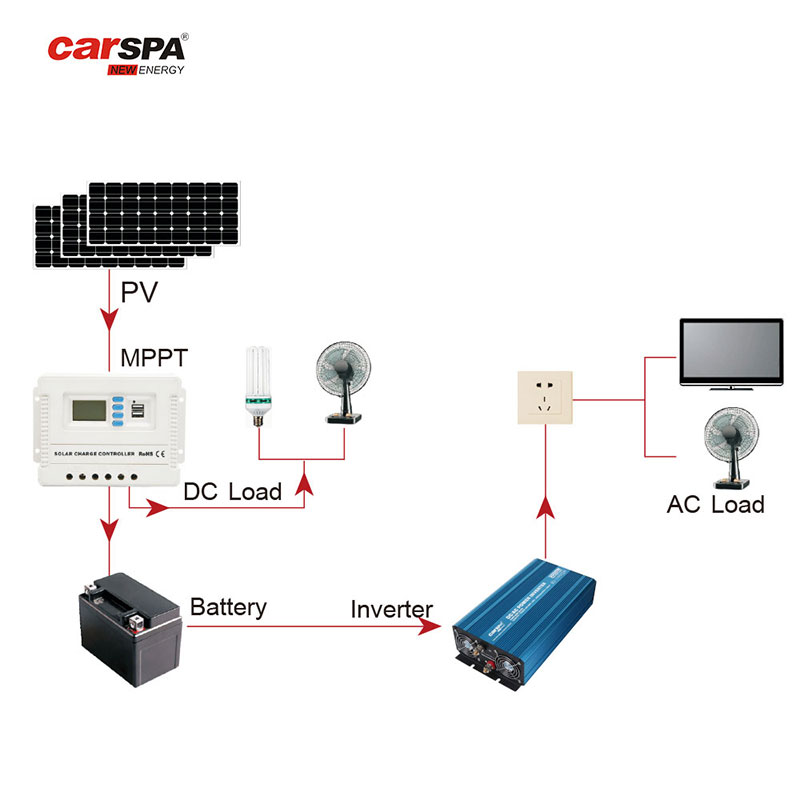
A solar charge controller regulates the flow of energy between solar panels and batteries, ensuring every watt of sunlight is converted into usable power while preventing battery damage or instability. Whether powering essential electronics, communication equipment, or off-grid lighting systems, the right controller maintains long-term performance and reliable power delivery.

As more outdoor projects and mobile applications adopt solar solutions, understanding how a solar charge controller works — and why proper selection matters — becomes essential for maintaining stable system operation, extending battery lifespan, and reducing overall maintenance costs in challenging environmental conditions.
Why Are Solar Charge Controllers Crucial for Outdoor Power Systems?
A solar charge controller serves as the central management unit in outdoor solar setups. Whether deployed for remote monitoring stations, mobile cabins, RVs, or camping power systems, it ensures that every part of the energy cycle remains safe, efficient, and reliable — even when environmental conditions are constantly changing.
Maximizing Energy Harvest from Solar Panels
Outdoor environments experience frequently changing sunlight angles and intensities.
A solar charge controller improves usable output by:
Regulating panel voltage to match battery charging requirements
Reducing conversion loss in low-sunlight conditions
Preventing power waste during peak generation
This stabilizes power delivery, especially during sunrise, cloudy weather, and late-day operation.
Protecting Battery Health and Extending Lifespan
Batteries are the most valuable and vulnerable component of outdoor power systems.
The solar charge controller protects them through:
Overcharge prevention
Deep-discharge control
Temperature compensation for outdoor thermal swings
Reliable charging ensures batteries maintain strong performance during long-term field use.
Ensuring Safe and Stable System Operation
In outdoor scenarios, risk of electrical fluctuation is higher.
A solar charge controller enhances failure prevention:
Avoids reverse current at night
Manages high input voltage surges
Ensures correct charging stages (bulk, boost, float)
This protection is crucial for powering mission-critical equipment far from support facilities.

How Do Solar Charge Controllers Ensure Stable and Safe Battery Performance?
When operating outdoors, battery performance is challenged by weather changes, varied usage cycles, and unstable solar input. A solar charge controller ensures that batteries receive the right energy at the right time — avoiding damage and preserving capacity for long-term operation.
Multi-Stage Charging for Better Efficiency
Instead of a constant stream of power, advanced solar charge controllers apply multi-stage charging:
Bulk Stage:Rapid charging during high sunlight
Absorption Stage:Controlled intake to reach full capacity
Float Stage:Maintaining charge to prevent overvoltage
This intelligent process keeps batteries healthy and responsive in all outdoor situations.
Protection Against Overcharge and Deep Discharge
Improper charging can rapidly shorten battery lifespan.
A solar charge controller prevents:
Overcharging during strong sunlight
Excessive discharge during long nights or cloudy days
Reverse current from batteries back to panels
These protections are essential for systems that must run unattended in remote locations.
Maintaining Performance in Harsh Conditions
Outdoor power setups face wind, dust, heat, and temperature drops.
A reliable solar charge controller:
Monitors temperature to adjust charging voltage
Improves lifespan under high-heat exposure
Prevents sudden power drops that may damage equipment
Stable charging ensures reliable energy storage even when environmental challenges arise.
What Features Matter Most When Selecting a Solar Charge Controller for Outdoor Use?
Outdoor environments and mobile power systems require a controller that can handle unpredictable conditions while maintaining high charging performance. To ensure dependable operation, several feature priorities should be considered when choosing a solar charge controller.
MPPT vs. PWM Charging Technology
Different solar charge controllers use different charging algorithms:
MPPT (Maximum Power Point Tracking)
Higher efficiency(up to 30%more energy than PWM)
Best for large or frequently shaded solar arrays
Recommended for high-demand outdoor energy systems
PWM (Pulse Width Modulation)
Cost-effective option for basic applications
Suitable for small solar setups with stable sunshine
Selecting the correct technology directly influences power output efficiency.
Weather-Resistant and Rugged Design
Outdoor exposure can be harsh. The controller should include:
Strong dust and moisture resistance (IP-rated enclosure preferred)
Wide operating temperature range
Anti-vibration internal structure for mobile installations
Corrosion-resistant terminals for durability
A robust housing extends lifespan and reduces maintenance cycles.
System Monitoring and Control Features
Modern systems emphasize better visibility into power status:
LCD display or app-based monitoring
Battery status and charging stage indicators
Real-time fault alerts and protection logs
Remote control options for RV and solar station setups
Smart management makes solar energy utilization more accurate and reliable.
Flexible Compatibility with Panels and Batteries
Outdoor power applications use various battery chemistries:
AGM/GEL/Flooded/Lithium(LiFePO4)support
Wide voltage input range from panel arrays
Auto system recognition for easy installation
Wider compatibility means easier upgrades and better long-term expandability.
MPPT vs. PWM Solar Charge Controller Comparison
| Feature | MPPT Controller | PWM Controller |
| Energy Conversion Efficiency | ★★★★☆ High (up to +30% gain) | ★★★☆☆ Standard |
| Performance in Cloudy/Shaded Conditions | Excellent | Limited |
| Recommended for Outdoor / Mobile Use | Yes (strong sunlight variation adaptation) | Only in stable sunlight environments |
| System Cost | Higher | Lower |
| Best Application Scenarios | RVs, marine, remote stations, high-power outdoor systems | Small camping kits, simple low-load systems |
| Battery Compatibility | Compatible with all chemistries (especially lithium) | Limited support depending on model |
| Wiring Distance from Panels | Longer distance supported due to higher voltage input | Short distance recommended |
MPPT controller is the preferred choice when energy output and reliability are key priorities in outdoor power systems.
Which Solar Charge Controller Types Fit Different Outdoor Applications?
Different outdoor environments place different demands on solar systems. Choosing the right solar charge controller ensures stable power whether the setup is mobile, permanent, or mission-critical.
RVs, Camper Vans & Off-Grid Camping
Recommended Type: MPPT Controller
Why it fits:
Handles variable sunlight angles from mobile positioning
Boosts energy harvest when camping in shade or forests
Supports lithium batteries for lightweight storage
Ideal equipment powered:
Lighting,communication devices,portable appliances
Outdoor Monitoring & Remote Stations
Recommended Type: PWM or MPPT solar charge controller (depending on scale)
Why it fits:
Compact setups with limited solar input
Long-term unattended operation requires strong stability
Protection against night reverse current prevents downtime
Application examples:
Security cameras, sensor nodes, agricultural irrigation controls
Mobile Construction or Field Operations
Recommended Type: Heavy-Duty MPPT Controller
Why it fits:
Stable output required for tools and emergency systems
High-charge efficiency in fluctuating weather
Rugged housing for dust and vibration exposure
Marine & Coastal Outdoor Installations
Recommended Type: Corrosion-resistant MPPT Controller
Why it fits:
Salt, humidity, and harsh sunlight demand stronger protection
System must maintain performance despite environmental stress
Outdoor Application-Based Solar Charge Controller Selection Guide
| Outdoor Application | Recommended Controller Type | Charging Technology | Key Requirements |
| RV / Camper Van / Off-Grid Travel | Durable Mobile Controller | MPPT | Vibration resistance, lithium support |
| Remote Monitoring Stations | Small System Controller | PWM / MPPT | Night reverse current protection |
| Marine & Coastal Installations | Anti-corrosion Controller | MPPT | Salt-fog resistance, thermal protection |
| Construction Site | Heavy-Duty Controller | MPPT | Overload resilience, wide temperature range |
| Camping Power Kits | Basic Controller | PWM | Low cost, simple energy demands |
MPPT offers better performance for most mission-critical or mobile outdoor systems.
How Do Solar Charge Controllers Improve Efficiency and Reduce Operational Costs?
A well-engineered solar charge controller not only protects the equipment in an outdoor solar system but also improves long-term energy output and budget performance. This makes it a key factor in reducing operational expenses across various field applications.
Increasing Power Conversion Efficiency
With constantly changing sunlight conditions outdoors, energy fluctuations are common.
A high-efficiency controller:
Extracts more power during low-light hours
Converts panel output with minimal loss
Maximizes return from every installed watt of solar
This increases autonomy and reduces reliance on backup energy sources.
Extending Battery & Equipment Lifespan
Battery replacement can be one of the highest costs in off-grid installations.
By preventing harmful charging behavior, solar charge controllers help:
Avoid thermal stress and internal plate damage
Maintain chemical stability for long-term cycling
Reduce maintenance intervention in remote locations
Lower repair and replacement costs directly boost system ROI.
Reducing Energy Waste in Outdoor Operation
Intelligent regulation ensures power is allocated precisely where needed:
Prevents overflow or idle losses under peak sunlight
Limits parasitic consumption when systems are idle
Improves runtime performance in seasonal climates
Even small efficiency gains accumulate to major savings over years of field use.
Supporting Scalable and Upgrade-Friendly Systems
As outdoor energy demand grows, solar charge controllers that support expansion deliver more value:
Add more panels without major rewiring
Upgrade battery storage when needed
Enable hybrid power systems integration
Investment becomes future-proof rather than locked into a limited setup.
Conclusion
A reliable solar charge controller is indispensable for outdoor solar power systems, ensuring safe battery management, higher efficiency, and stable performance in remote and mobile environments. By selecting the right charging technology, protection features, and durability level, users can maintain dependable power without excessive maintenance effort or additional cost.
Quality products matter — for durable and efficient solutions that support real outdoor energy applications, CARSPA offers a wide range of solar charge controllers designed for long-term performance.


