
How Outdoor Solar Systems Improve Reliability with Inverters and Solar Charge Controllers
Introduction
Outdoor solar system deployment has become one of the most reliable ways to supply power in locations where the grid is unstable, distant, or entirely unavailable. Whether powering remote equipment, field operations, outdoor monitoring units, or temporary construction sites, a well-designed solar system delivers continuous energy without relying on traditional fuel-based generators. As outdoor applications increasingly demand stable, efficient, and weather-resistant electrical solutions, solar power has evolved into a system-level approach that integrates multiple components beyond solar panels alone.
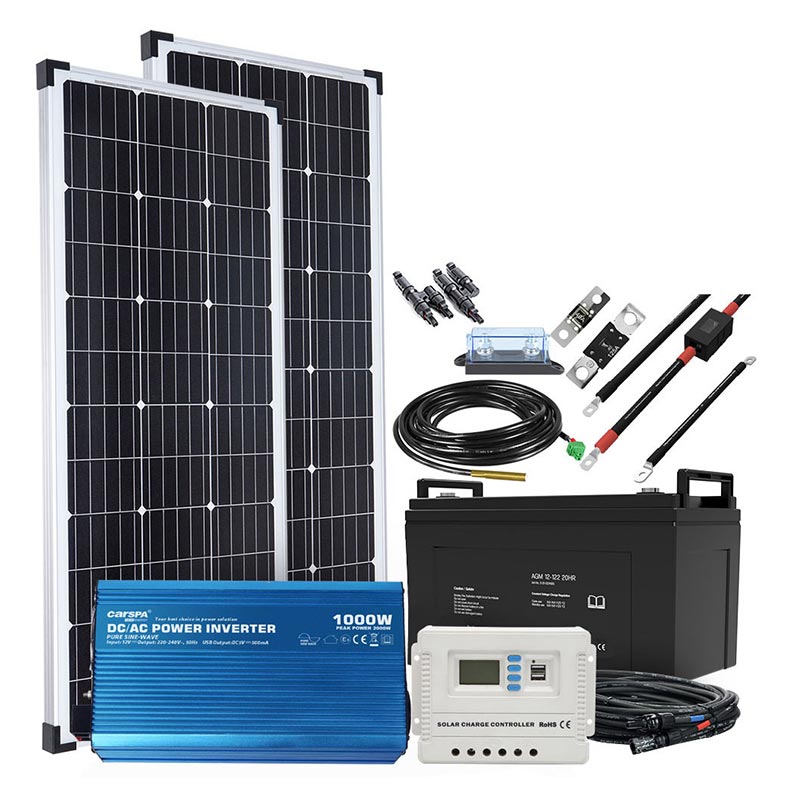
A modern solar system typically combines high-efficiency photovoltaic modules with accessories such as inverters, solar charge controllers, battery banks, DC protection devices, and monitoring tools. Each part works together to convert sunlight into usable energy and maintain consistent output throughout varying outdoor conditions. Instead of focusing solely on capacity, outdoor users now pay more attention to system reliability, component compatibility, and long-term durability.
At the same time, the expectation for outdoor power systems is shifting toward smarter energy management, better storage performance, and improved electrical protection. This is why understanding how each component contributes to the overall solar system is essential—especially when deployed in remote sites where maintenance resources may be limited. When engineered correctly, the system can deliver stable power day and night, withstand diverse climate challenges, and support critical outdoor equipment with minimal downtime.
How Do Outdoor Solar Systems Deliver Stable Power in Remote or Off-Grid Environments?
Consistent Power Generation in Variable Sunlight
Outdoor environments often face fluctuating weather conditions, yet a properly sized solar system can maintain stable power output by matching panel capacity with daily load requirements. In remote sites where electricity is critical for pumps, sensors, lighting, or communications, the ability to capture and convert solar energy throughout the day ensures uninterrupted operation even when sunlight changes.
Energy Storage for Nighttime and Low-Sunlight Conditions
Battery storage plays a central role in stabilizing an outdoor solar system. By storing excess daytime energy, the system continues powering devices through the night or during cloudy weather. The balance between battery capacity and charging input is essential—especially for remote areas where maintenance visits are rare and long-term reliability is required.
Reducing Dependency on Fuel-Based Generators
Compared with diesel or gas generators, a solar system requires no continuous fuel supply, making it ideal for off-grid or difficult-to-access locations. This independence helps control operating costs, eliminates fuel transport risks, and minimizes the environmental impact associated with traditional temporary power solutions.
Supporting Critical Outdoor Applications
Many outdoor installations—such as environmental monitoring stations, irrigation pumps, surveillance units, or portable field equipment—require steady voltage and reliable power. A well-designed solar system ensures these devices run consistently, preventing interruptions that could compromise operations or data collection.
What Core Components Ensure Efficient Power Conversion and Storage in a Solar System?
Solar Panels as the Primary Energy Source
Every solar system begins with photovoltaic panels that convert sunlight into DC electricity. In outdoor applications, panel selection must consider temperature coefficients, mechanical strength, and low-light efficiency. High-quality modules ensure the system continues generating energy even during early mornings, late afternoons, or partially cloudy conditions.
Inverters for Converting DC to AC Power
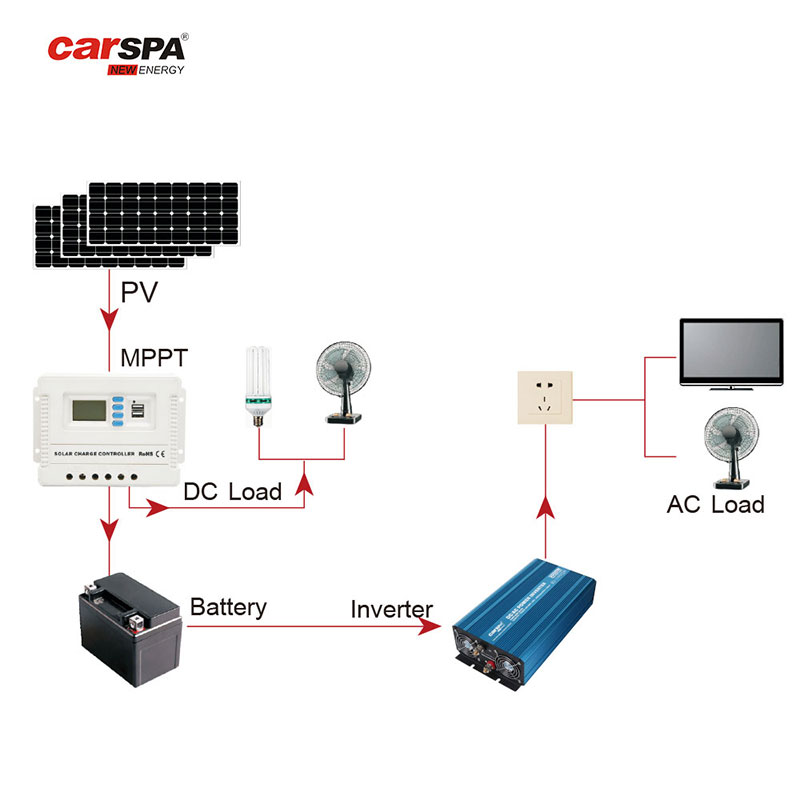
Most outdoor equipment—tools, lighting systems, communication devices, or portable machinery—runs on AC power. This makes the inverter a critical component. A reliable inverter ensures smooth DC-to-AC conversion, stabilizes voltage, reduces harmonic distortion, and protects connected equipment from electrical irregularities. The performance of the entire solar system often depends on the inverter’s efficiency and protection features.
Solar Charge Controllers for Battery Protection
The solar charge controller acts as the system’s energy regulator. It manages how much current flows into the battery, prevents overcharging, protects against deep discharge, and ensures optimal charging cycles. MPPT controllers are especially important for outdoor solar systems because they track maximum power points in real time, extracting the highest possible energy from the solar panels.
Battery Banks for Energy Storage and Backup
Outdoor setups often require long periods of unattended operation, making energy storage indispensable. Battery banks—whether based on lithium, AGM, or gel technologies—store daytime solar energy for nighttime or emergency use. The sizing of the battery bank directly impacts the autonomy of the solar system and determines how long it can sustain loads when sunlight is limited.
Protection Devices to Enhance System Safety
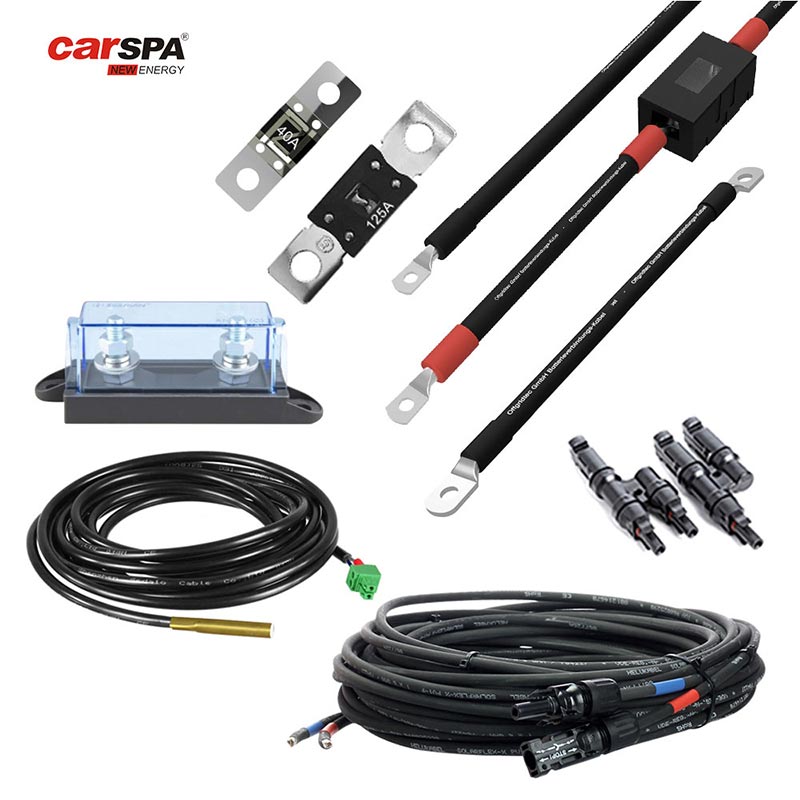
While often overlooked, DC breakers, fuses, surge protectors, and disconnect switches are essential for safe operation. These devices safeguard the solar system from reverse currents, lightning events, wiring faults, and accidental overloads, ensuring long-term system durability in challenging outdoor environments.
How Do Inverters and Solar Charge Controllers Improve Outdoor System Reliability?
Ensuring Stable Output for Sensitive Outdoor Equipment
Outdoor devices—such as communication repeaters, pumps, LED floodlights, sensors, or portable tools—often require stable voltage to operate correctly. A high-quality inverter ensures that the AC output remains clean and consistent, even when the DC input from the solar system fluctuates due to passing clouds or temperature variations. This voltage stability protects sensitive electronics from shutdowns or premature failure.
Maximizing Energy Harvest with MPPT Technology
In outdoor environments where sunlight conditions change throughout the day, MPPT-based solar charge controllers significantly increase the system’s overall energy yield. By constantly adjusting panel operating points, the controller extracts the highest possible power from the solar array. This directly enhances the performance of the entire solar system, especially during early mornings, late afternoons, or shaded conditions.
Extending Battery Lifespan in Harsh Outdoor Conditions
Temperature swings, high humidity, and long operation cycles can shorten battery life. A well-designed solar charge controller prevents overcharging, protects against deep discharge, and maintains balanced charging cycles. This optimized power flow extends battery longevity and ensures the solar system continues delivering consistent power without frequent maintenance.
Offering Multiple Protection Layers
Both the inverter and solar charge controller serve as protective elements within the solar system. Common protections include over-voltage, under-voltage, short circuit, over-temperature, reverse polarity, and overload safeguards. These layers shield outdoor equipment from electrical faults, helping avoid costly downtime in remote areas where repairs may be inconvenient.
Enhancing System Automation and Monitoring
Many modern outdoor power setups benefit from smarter control and real-time data. Advanced inverters and solar charge controllers can provide monitoring features such as voltage levels, load status, charging performance, and historical energy records. This visibility allows users to identify performance issues early and optimize the solar system for higher efficiency and reliability.
What Installation and Protection Measures Make Outdoor Solar Systems More Durable?
Structural Mounting Designed for Wind, Dust, and Temperature Variations
Outdoor conditions can be unpredictable, so the mounting structure of a solar system must withstand strong winds, sand, dust, and significant temperature swings. Properly angled mounting brackets ensure maximum sunlight exposure, while corrosion-resistant materials prevent degradation in humid or coastal environments. Stable installation improves long-term energy generation and reduces maintenance needs.
Weatherproof Enclosures for Inverters and Controllers
Both the inverter and solar charge controller require protection from rain, UV exposure, insects, and accidental impacts. Using weatherproof enclosures—preferably with ventilation channels or heat-dissipating designs—helps maintain safe operating temperatures. Proper enclosure selection protects the internal electronics and ensures the solar system performs reliably even during extreme outdoor conditions.
Cable Management and Electrical Safety
Outdoor solar systems must use UV-resistant, moisture-proof cables, and sealed connectors. Good cable routing reduces the risk of abrasion, loose connections, and electrical shorts. DC isolators, grounding rods, and surge protectors further improve system safety, protecting both the inverter and charge controller from unexpected electrical faults such as lightning or reverse currents.
Thermal Management to Prevent Overheating
In high-temperature climates, overheating can reduce the efficiency of both panels and power electronics. Proper spacing between components, shaded placement for the inverter, and sufficient airflow within equipment housings help keep the system running in optimal conditions. Effective thermal management prolongs the lifespan of the entire solar system.
Regular Inspection and Preventive Maintenance
While outdoor solar systems are designed for long-term operation, periodic checks help identify worn cables, loose terminals, dirty panels, or declining battery performance. Simple preventive maintenance—such as cleaning PV panels or checking inverter logs—ensures the system continues generating stable power and avoids unexpected outages.
Why Are Outdoor Solar Systems Becoming a Preferred Choice for Long-Term Power Deployment?
Lower Operational Costs Compared with Fuel-Based Solutions
Outdoor solar systems eliminate the recurring fuel expenses associated with generators, making long-term deployment more economical. Without the need for fuel transport, storage, and periodic refilling, overall operational costs drop significantly. The combination of solar panels, a stable inverter, and an efficient solar charge controller ensures that energy production remains consistent without ongoing consumables.
Higher Reliability for Remote and Unattended Installations
Outdoor operations, remote stations, and temporary field setups require power systems that can run independently for long periods. A properly engineered solar system offers high uptime by combining solar generation, battery storage, and smart charging control. Because it has fewer moving parts compared with mechanical generators, failure rates are lower, and maintenance intervals are longer.
Eco-Friendly Power Generation for Sensitive Locations
Many outdoor sites—such as nature reserves, agricultural zones, research stations, and environmental monitoring points—require low-impact electrical solutions. Solar systems operate silently and produce no emissions, making them ideal for locations where fuel spills, noise, or exhaust output may cause disruption or ecological concerns. This contributes to cleaner, more sustainable long-term deployment.
Scalability for Different Outdoor Power Demands
A key advantage of a modular solar system is its scalability. Users can begin with a small setup to power basic equipment, then expand the system by adding panels, increasing battery capacity, or upgrading the inverter. This adaptability makes solar systems suitable for a wide range of outdoor applications—from small surveillance cameras to large off-grid workstations.
Improved Component Technology Enhances System Lifespan
With continual improvements in PV efficiency, MPPT algorithms, inverter durability, and battery chemistry, modern solar systems last significantly longer than earlier generations. Advanced solar charge controllers and high-efficiency inverters reduce electrical stress on the system, extending operational life and improving performance consistency. This technological progress is a major driver behind the growing adoption of outdoor solar solutions.
Conclusion
Outdoor solar systems have become a dependable and cost-effective solution for powering equipment in remote, mobile, or off-grid locations. By integrating essential components such as high-efficiency solar panels, durable inverters, advanced solar charge controllers, and appropriately sized battery storage, these systems provide consistent and stable power regardless of environmental challenges. Their ability to operate autonomously, reduce fuel dependency, and adapt to different load demands makes them suitable for a wide range of outdoor applications—from monitoring units and lighting systems to field tools and temporary workstations.
As component technologies continue to improve, outdoor solar systems are becoming even more reliable, efficient, and easier to maintain. Better MPPT algorithms, stronger weatherproofing, and longer-lasting batteries all contribute to a system that can serve critical outdoor operations with minimal downtime. For users looking to deploy long-term, environmentally friendly, and scalable power solutions, a well-designed solar system remains one of the most practical choices available today.
For organizations seeking dependable outdoor power solutions, CARSPA provides robust inverters, solar charge controllers, and system accessories designed to enhance performance, protect sensitive equipment, and support stable long-term operation.


