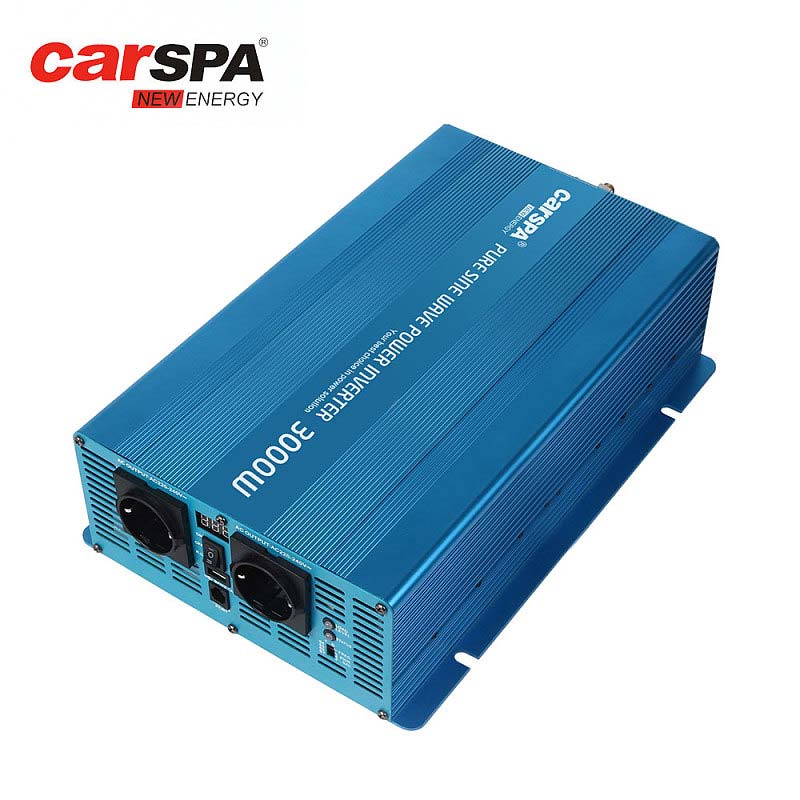
How Battery Chargers Improve Outdoor, Automotive & Off-Grid Power
Introduction
In modern outdoor power systems—whether supporting vehicles, RV energy setups, mobile workstations, or off-grid installations—the stability of the electrical supply is determined by far more than just the battery itself. A reliable battery charger has become a core component for keeping power storage healthy, ensuring uninterrupted operation, and protecting critical equipment from premature failure. As outdoor environments expose power systems to fluctuating temperatures, humidity, dust, vibration, and irregular load demands, the role of a well-designed charger becomes even more essential.
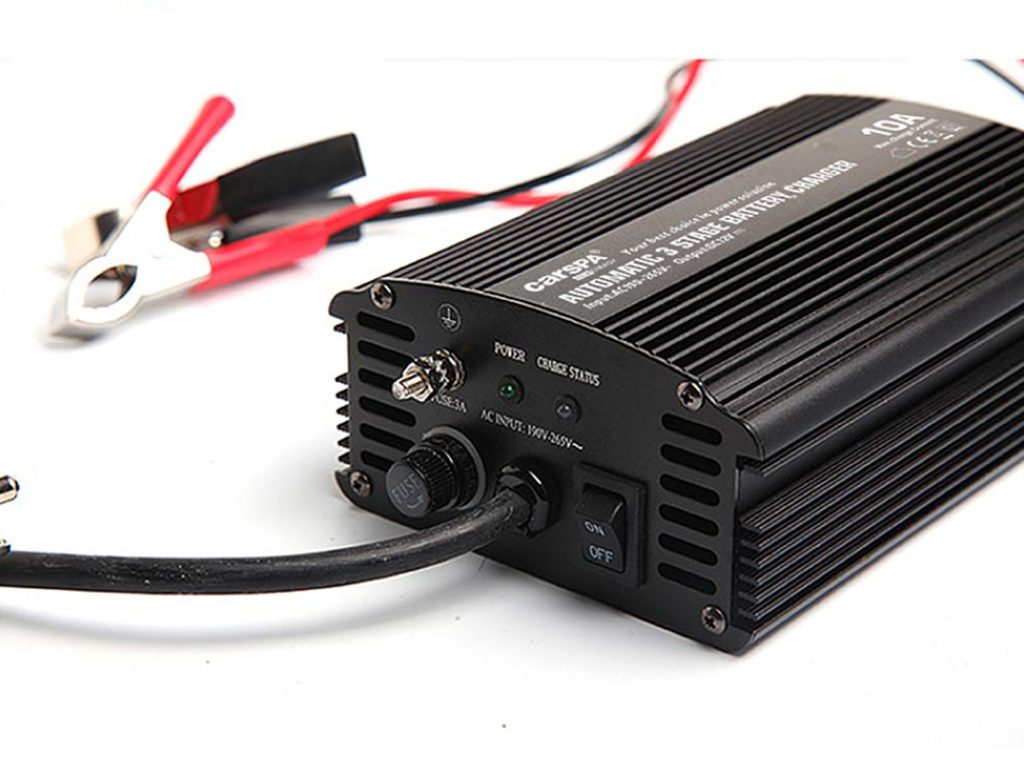
Across automotive starting batteries, RV house batteries, portable power stations, and off-grid deep-cycle banks, each application places unique stress on charging performance. Voltage accuracy, charging efficiency, and protection mechanisms must all adapt to the real-world conditions of mobility, weather exposure, and long-term cycling. Without a charger engineered for these challenges, even high-quality batteries may suffer from undercharging, sulfation, overheating, or reduced capacity over time.
This makes the battery charger more than a simple accessory—it becomes the foundation of reliable outdoor energy management. By integrating advanced charging algorithms, environmental compensation, and system-level protection, modern chargers help outdoor, automotive, and remote power systems maintain consistent performance, longer service life, and predictable operation in demanding environments.
Why Are Battery Chargers Critical for Outdoor and Mobile Power Systems?
Outdoor and mobile power systems operate under conditions that are far more demanding than controlled indoor environments. Whether the system supports a vehicle starter battery, an RV’s auxiliary energy bank, or a deep-cycle off-grid storage unit, a battery charger directly determines how consistently power can be delivered. The following factors explain why chargers play such a central role in system reliability.
Ensuring Stable Energy Availability in Unpredictable Conditions
Outdoor and mobile applications frequently face fluctuating sunlight, irregular load demands, emergency starts, or periods of high consumption. Without a charger designed to maintain proper voltage and replenish energy efficiently, batteries can become depleted at critical times. A stable charger ensures that power remains available even when weather, terrain, or usage patterns change unexpectedly.
Protecting Batteries from Environment-Driven Stress
Temperature swings, vibration from vehicle movement, and moisture exposure all influence how batteries accept and retain charge. A robust battery charger compensates for these variables through features such as temperature-adjusted charge curves, stabilized output, and regulated voltage delivery. These capabilities prevent undercharging, overcharging, or accelerated degradation caused by outdoor conditions.
Supporting Multiple Battery Types Used in Outdoor Systems
Outdoor and automotive power setups use a mix of battery chemistries—AGM, GEL, Flooded, and increasingly LiFePO₄. Each requires different charging parameters. A charger engineered for multi-chemistry compatibility ensures that RV house batteries, vehicle starter batteries, and off-grid storage units all receive an optimized charge profile, improving system flexibility and long-term performance.
Enabling Reliable Starts and Continuous Operation
Vehicles and RVs rely on batteries for ignition and onboard systems, while off-grid equipment operates entirely from stored energy. A reliable charger ensures that batteries remain fully charged and ready for use, minimizing downtime and preventing operational interruptions. In remote locations, this reliability becomes essential for safety, mobility, and uninterrupted workflows.
What Charging Technologies Improve Performance in Outdoor, Automotive, and Off-Grid Conditions?
Outdoor, automotive, and off-grid power systems place high demands on charging accuracy, protective functions, and long-term stability. Modern battery chargers integrate a range of advanced technologies that ensure batteries remain healthy, efficient, and safe under varying environmental and operational conditions. These features make a direct impact on system uptime and the overall lifespan of energy storage components.
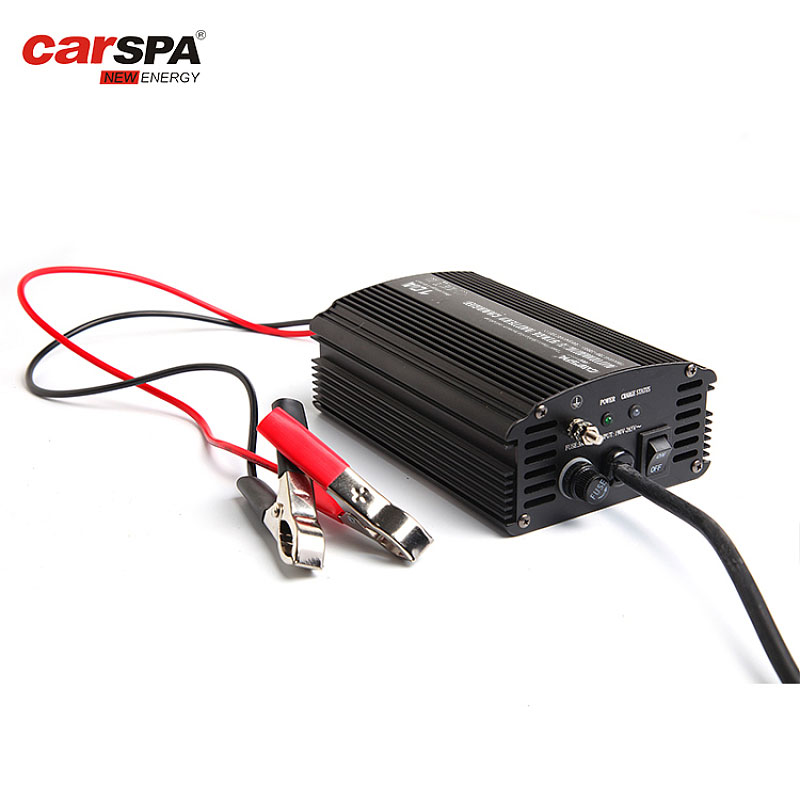
Multi-Stage Charging Algorithms for Optimal Battery Health
High-quality outdoor battery chargers utilize three-stage or five-stage charging algorithms to protect different battery chemistries from excessive heat and sulfation. Bulk, absorption, and float stages help restore energy efficiently while maintaining precise voltage levels. This approach optimizes charge acceptance for deep-cycle batteries, starter batteries, and RV house banks, ensuring consistent performance.
Temperature Compensation for Accurate Charging in Harsh Environments
Outdoor systems often experience wide temperature swings—from hot coastal climates to cold mountain regions. Temperature compensation automatically adjusts voltage output to prevent overcharging in high heat and undercharging in cold weather. This function is especially important for AGM, GEL, and lead-acid batteries commonly used in vehicles, RVs, and off-grid installations.
Advanced Protection Mechanisms Against System Damage
Outdoor and remote environments expose electrical equipment to unexpected risks. Modern battery chargers incorporate overload protection, reverse polarity protection, over-voltage regulation, and short-circuit safeguards. These integrated technologies prevent both charger failure and battery damage, reducing the chance of field downtime or costly repairs.
Smart Energy Management for Higher Efficiency
Energy efficiency matters significantly in off-grid and mobile setups, where power sources may be limited. Intelligent chargers use microprocessor-based control to regulate current output, reduce heat loss, and maintain stable energy conversion even under fluctuating loads. This not only extends battery life but also reduces energy waste—an advantage for solar-powered and limited-supply systems.
Compatibility with Modern Battery Chemistries, Including LiFePO₄
Many outdoor and off-grid systems are transitioning to LiFePO₄ batteries due to their long cycle life and stable discharge characteristics. Advanced chargers detect and adjust output parameters to match lithium battery requirements, including balancing support and stable float maintenance. This compatibility expands system flexibility and enables mixed battery deployments in RVs, mobile command units, and remote equipment.
How Do You Select the Right Battery Charger for Vehicles, RVs, and Remote Power Equipment?
Selecting the right battery charger is essential for maintaining reliability across outdoor, automotive, and off-grid environments. Each application places different demands on voltage stability, charging speed, and environmental durability. A suitable battery charger ensures safe operation, maximizes battery lifespan, and reduces system downtime in remote or mobile conditions.
Match the Charger to the Battery Type Used in the System
Different battery chemistries require unique charging curves.
Lead-acid (AGM, GEL, Flooded) batteries need precise multi-stage charging.
LiFePO₄ batteries require stable constant-current/constant-voltage control and accurate cutoff.
Deep-cycle outdoor batteries rely on optimized absorption and float stages.
Choosing a charger with selectable battery modes ensures each battery receives the correct parameters.
Size the Charger Correctly Based on Capacity and Application Needs
A battery charger that is too weak leads to slow recovery, while one that is too powerful risks overheating.
Key selection points:
Starter batteries typically require short, high-current replenishment.
RV house batteries need balanced long-duration charging.
Off-grid battery banks require higher-capacity chargers to support continuous cycling.
A general rule is to select a charger rated at 10–20% of the battery’s Ah capacity, adjusted for environmental demands.
Consider Environmental Protection and Outdoor Durability
Outdoor systems face dust, moisture, rain, and vibration.
Choose chargers with:
IP-rated enclosures
Corrosion-resistant hardware
Vibration-resistant mounting options
These features are essential for RV compartments, vehicle engine bays, off-grid enclosures, and outdoor power cabinets.
Evaluate Input Power Sources for Remote Locations
Outdoor and off-grid setups often rely on varied power sources:
Shore power or grid supply for RV parks
Generators for remote work sites
Solar arrays for off-grid cabins
A suitable charger should support wide AC input voltage or integrate smoothly with renewable systems. Some models also work with solar charge controllers for hybrid energy setups.
Check Compatibility with System-Level Power Requirements
Many outdoor systems operate alongside inverters, controllers, and auxiliary electronics.
A well-matched charger should:
Maintain stable output under fluctuating loads
Avoid interference with inverter waveforms
Support parallel operation with other charging equipment
This ensures that all components work together without voltage drops or unwanted shutdowns.
What Installation and Maintenance Practices Ensure Long-Term Reliability in Outdoor Systems?
Even the most advanced battery charger cannot perform reliably if installation and maintenance practices do not match the demands of outdoor, mobile, or off-grid environments. Proper system setup minimizes electrical losses, enhances safety, and protects the charger from harsh conditions. With the right practices, outdoor power systems achieve longer operational life and greater overall stability.
Install the Battery Charger in a Protected, Well-Ventilated Location
Outdoor environments expose chargers to dust, moisture, heat, and vibration. Positioning the charger correctly is one of the most important steps.
Key recommendations include:
Avoid direct sunlight and ensure adequate airflow to prevent overheating.
Mount the charger above ground level to reduce exposure to water or mud.
For RVs and vehicles, choose compartments with controlled ventilation to support heat dissipation.
These measures maintain stable charging temperature and prolong electronic component life.
Use High-Quality Cables and Secure All Electrical Connections
Outdoor and mobile systems often experience movement and vibration. Loose connections can cause voltage drops, sparking, overheating, or inconsistent charging.
Best practices:
Select cables with appropriate gauge for current flow.
Crimp terminals properly and use corrosion-resistant fittings.
Secure cables with clamps or protective tubing to prevent abrasion.
A stable wiring layout ensures the battery charger delivers power safely and efficiently.
Protect the Charging System from Moisture, Dust, and Corrosive Elements
Environmental exposure is a major threat to outdoor electrical equipment.
To prevent damage:
Use IP-rated enclosures for chargers mounted outdoors.
Seal cable entries with grommets to block dust or insects.
Apply anti-corrosion coatings in coastal or humid regions.
This increases system reliability and avoids unexpected failures during harsh weather conditions.
Implement Regular Inspection and Preventive Maintenance
Routine inspection keeps outdoor and off-grid systems operating safely.
Maintenance tasks include:
Checking the charger’s output voltage and current levels
Inspecting battery terminals for oxidation
Confirming cooling fans(if present)are unobstructed
Testing cables and connectors for wear
These simple actions reduce the risk of downtime and maintain high charging efficiency over long-term use.
Monitor System Performance and Battery Health Over Time
Outdoor, vehicle, and remote installations often experience fluctuating usage patterns. Continuous monitoring helps identify early signs of battery decline or charger stress.
Useful strategies:
Log charging cycles and observe unusual behavior
Use chargers with built-in diagnostics or LED indicators
Apply remote monitoring solutions for inaccessible off-grid sites
With early detection, issues can be addressed before they escalate into equipment failure.
How Do Advanced Battery Chargers Reduce Downtime and Improve Efficiency Across Outdoor Applications?
Modern outdoor power systems depend heavily on uninterrupted battery performance. Whether powering RV appliances, vehicle electronics, off-grid monitoring stations, or remote field equipment, any unexpected battery failure can halt operations immediately. Advanced battery chargers address this challenge by offering smarter control, more reliable protection, and greater energy efficiency, ultimately reducing downtime and improving overall system resilience.

Intelligent Charging Control Ensures Faster, More Accurate Recovery
Advanced chargers use microprocessor-based algorithms to evaluate battery condition in real time.
They automatically adjust charging current, absorption time, and float parameters based on actual battery behavior.
These intelligent adjustments:
Shorten charging time
Prevent unnecessary stress
Maintain optimal voltage throughout the cycle
This is especially important for off-grid systems where power availability is limited and timely battery recovery is critical.
Automatic Fault Detection Prevents System-Wide Failures
Downtime often begins with small, unnoticed battery issues.
Advanced battery chargers integrate diagnostic functions such as:
Reverse polarity alarms
Over-temperature shutdown
Short-circuit detection
Battery aging alerts
By identifying abnormalities early, the system protects both the charger and the connected equipment, avoiding costly repairs or unexpected power loss during outdoor operations.
Enhanced Energy Efficiency Supports Limited or Remote Power Sources
In many outdoor and off-grid applications, charging power may come from generators, portable AC supplies, or intermittent sources.
High-efficiency chargers minimize wasted energy through:
Optimized power conversion
Reduced standby consumption
Low heat generation
This ensures more usable energy reaches the battery, extending runtime for RV appliances, vehicle electronics, and remote field devices.
Stable Output Improves Compatibility With Hybrid Power Systems
Outdoor systems often combine solar, generator, and grid power.
Advanced battery chargers maintain stable output under fluctuating input conditions, preventing damage to sensitive devices and ensuring predictable battery charging even when the power source is unstable.
This is crucial for:
Solar-assisted RV systems
Hybrid off-grid cabins
Outdoor communication equipment
A stable charger ensures seamless integration within these multi-source environments.
Remote Monitoring and Management Reduce On-Site Maintenance
For remote monitoring stations, off-grid cabins, or equipment deployed far from service teams, physical inspection is difficult.
Some advanced battery chargers support remote status reporting or built-in indicators that simplify system checks.
This allows operators to:
Track performance without onsite visits
Identify issues before batteries fail
Minimize travel and maintenance cost
Remote monitoring significantly increases reliability for equipment deployed in mountains, deserts, farmlands, or coastal regions.
Conclusion
Outdoor power systems—whether installed on vehicles, RVs, or remote off-grid sites—depend on stable, well-regulated battery performance to operate safely and efficiently. A high-quality battery charger plays a decisive role in maintaining this stability by delivering accurate charging profiles, compensating for harsh environmental conditions, and protecting the battery from long-term degradation. As outdoor applications continue to expand into more demanding environments, the need for reliable charging technology becomes even more essential.
By integrating intelligent charging algorithms, temperature compensation, protective mechanisms, and system-level monitoring, advanced battery chargers significantly reduce downtime and improve operational consistency. They support a wide variety of battery chemistries and power configurations, making them suitable for both mobile platforms and stationary off-grid systems that require continuous availability.
For organizations and engineering teams seeking dependable charging solutions that can withstand real-world outdoor challenges, CARSPA provides a range of battery chargers designed to deliver stable performance, long service life, and compatibility across diverse outdoor, automotive, and off-grid applications.