How Can a Solar System Improve Outdoor Power Independence and Reliability?
Introduction
In the modern world, outdoor power demand is no longer limited to camping enthusiasts or hobbyists. From mobile workshops and construction sites to agricultural fields and emergency operations, reliable off-grid electricity has become a fundamental need. Traditional fuel generators, while once dominant, face growing challenges such as noise, emissions, fuel logistics, and ongoing maintenance costs. As a result, solar systems are emerging as the smarter, cleaner, and more sustainable solution for powering outdoor environments.
A solar system converts sunlight into usable electrical energy through solar panels, stores it in batteries, and delivers stable power through an inverter. This combination enables users to operate lights, tools, appliances, or communication devices even in remote areas — all without depending on grid power or fossil fuels. The growing accessibility of high-efficiency solar panels and plug-and-play system designs has made solar power practical for outdoor professionals and households alike.
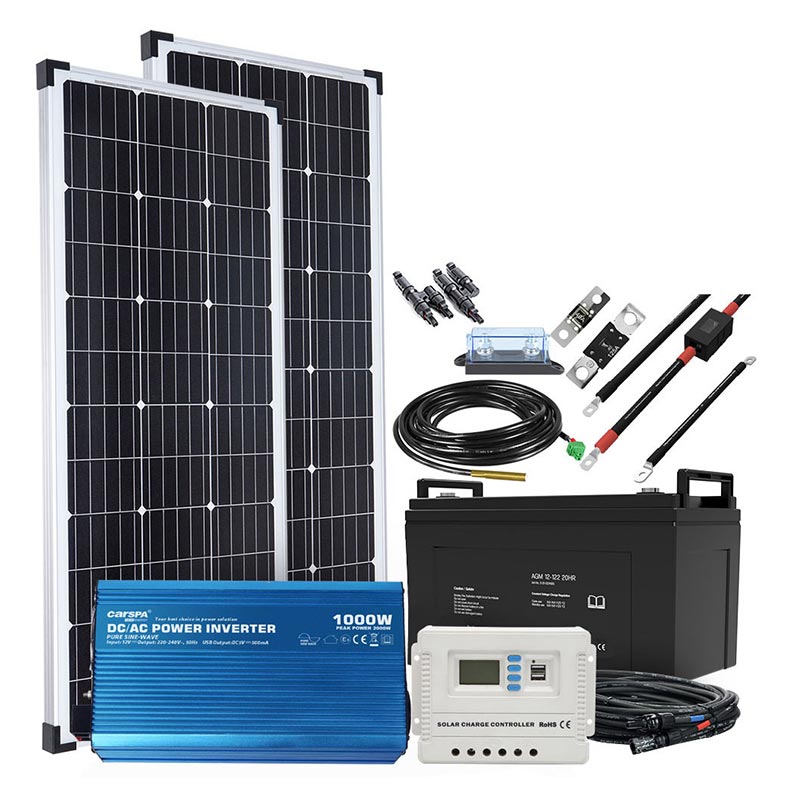
More importantly, modern solar systems are no longer one-size-fits-all. Compact systems, such as 1000W portable off-grid units, cater to light-duty outdoor applications, while 3KW complete setups provide enough energy for entire households or remote operation bases. This flexibility allows users to choose a configuration that matches their exact needs — whether it's powering a field monitoring station, a mobile office, or a small cabin.
As we explore further, we'll look at how outdoor solar systems work, what differentiates power ratings like 1000W and 3000W, and what factors truly define performance and reliability in real-world applications.
Why Are Outdoor Solar Systems Becoming the Future of Off-Grid Power?
1. Growing Energy Demands Beyond the Grid
Outdoor energy consumption has grown rapidly in recent years. From small-scale camping and RV use to large-scale agricultural irrigation, field monitoring, and construction operations, reliable off-grid power is now essential for both leisure and professional applications. The shift toward remote and mobile lifestyles means that users increasingly require flexible and autonomous energy sources that can perform anywhere sunlight reaches.
2. Limitations of Traditional Power Generators
Conventional diesel or gasoline generators have long been used for outdoor electricity supply, but they come with several drawbacks. High noise levels, fuel dependence, emission pollution, and frequent maintenance make them less practical for continuous outdoor operations. In addition, fuel shortages or transport limitations can easily disrupt power availability in remote regions. These challenges have accelerated the adoption of solar systems as a cleaner and more reliable alternative.
3. Sustainability and Cost Efficiency
Once installed, a solar system generates electricity from a free, renewable source — sunlight. There are no ongoing fuel costs, and maintenance is minimal compared with internal combustion systems. Over time, the total cost of ownership becomes significantly lower, especially for users who need long-term, uninterrupted power in outdoor or semi-permanent sites. With global energy prices continuing to rise, this makes solar technology not only environmentally friendly but also economically sound.
4. Wide Range of Outdoor Applications
Modern solar systems are being deployed across various outdoor scenarios:
Camping and recreational setups – power for lighting, cooling, and communication
Agricultural and irrigation systems – stable supply for pumps and sensors
Construction and field projects – power tools and safety systems
Emergency or disaster response – maintaining communication and lighting
Across these settings, solar power systems deliver dependable, noise-free, and emission-free energy, ensuring operations continue smoothly regardless of grid conditions.
How Do Outdoor Solar Systems Work to Deliver Stable Power Supply?
1. Core Components of an Outdoor Solar System
Every solar system — whether compact or large-scale — operates through four main components:
Solar Panels (PV Modules): They capture sunlight and convert it into direct current (DC) electricity. Modern high-efficiency panels ensure optimal energy output even under partial shade or cloudy conditions.
Charge Controller: It regulates the flow of electricity between the panels and the battery, preventing overcharging and extending battery lifespan.
Battery Bank: Stores the generated energy for use at night or during low sunlight periods. Lithium or AGM deep-cycle batteries are commonly used for outdoor applications due to their durability.
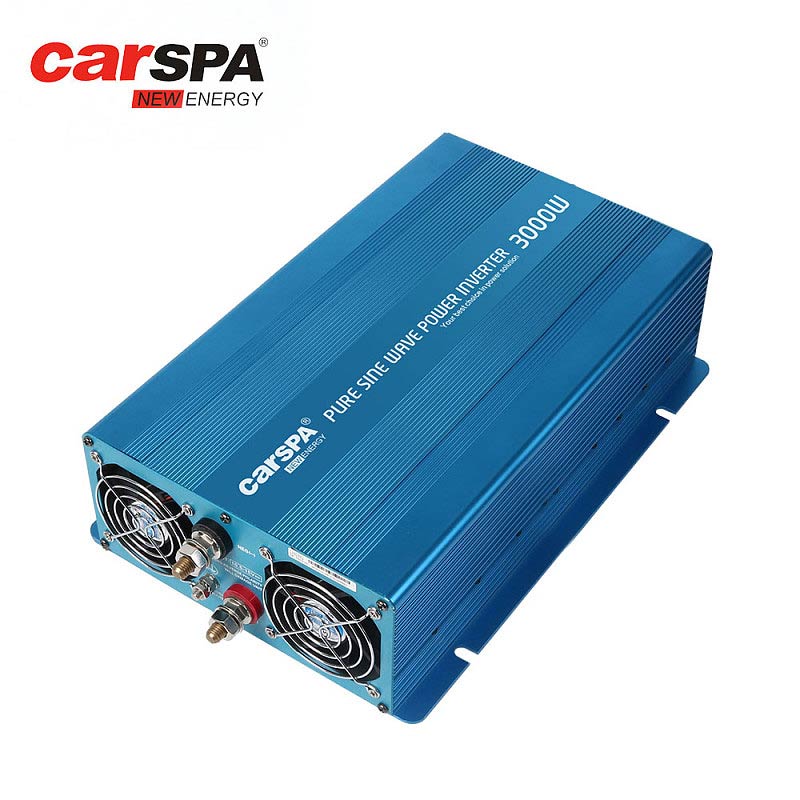
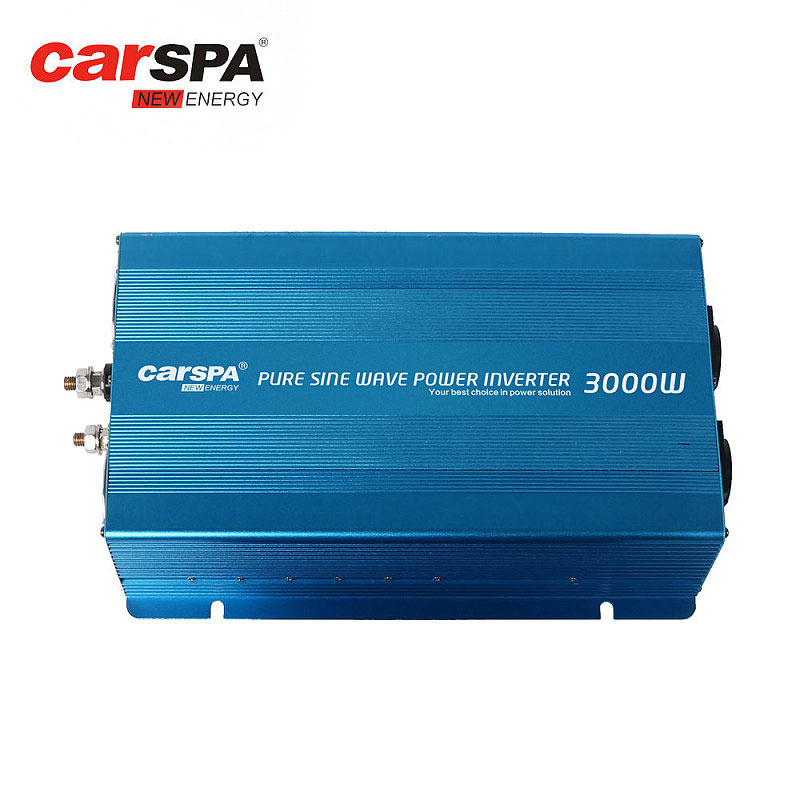
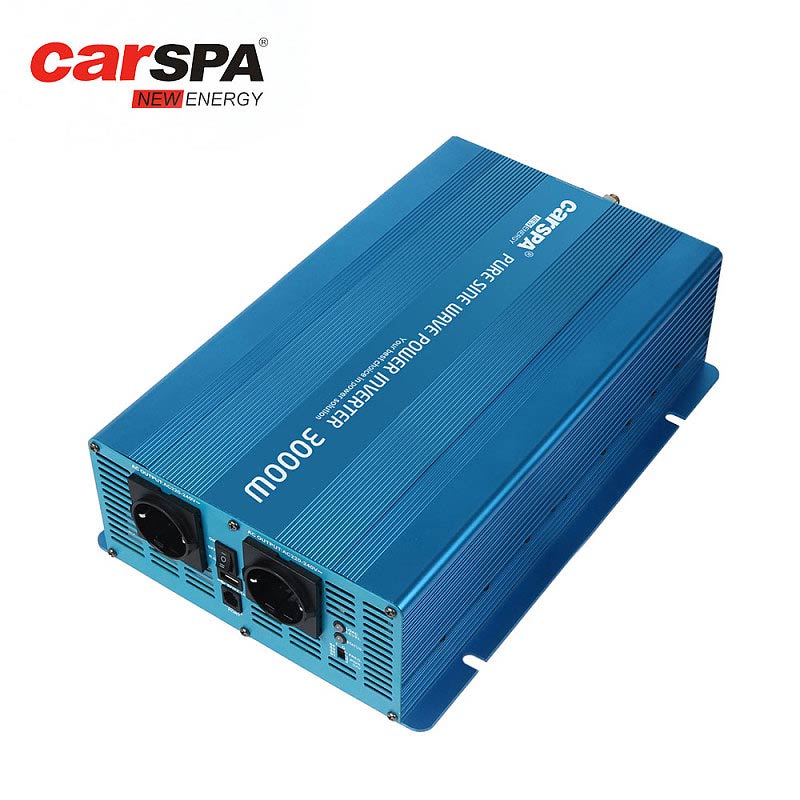
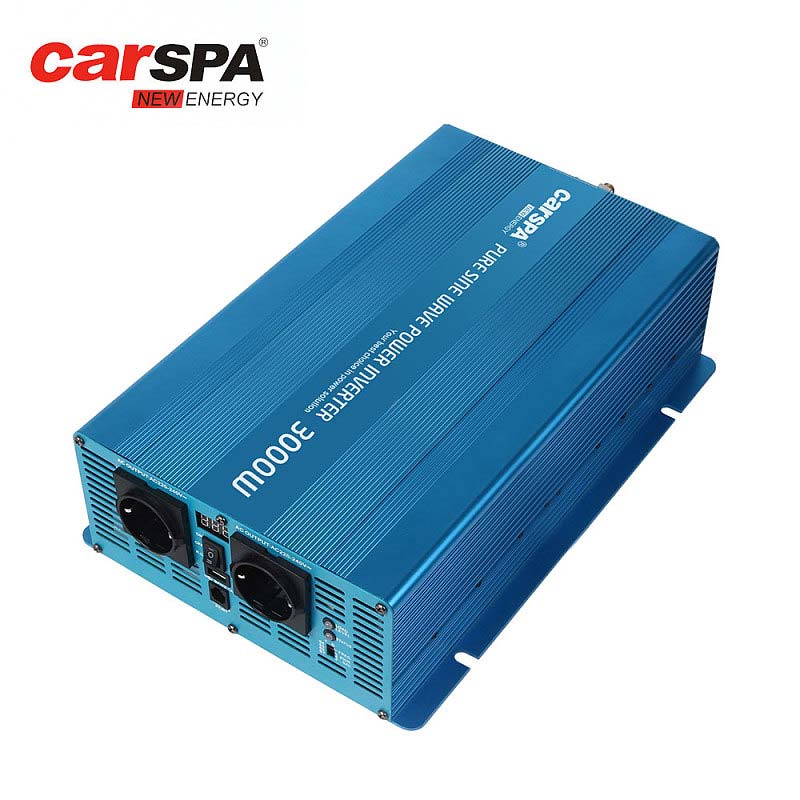
Inverter: Converts the stored DC power into alternating current (AC), allowing users to operate standard appliances, tools, and electronics seamlessly.
These components work together to provide uninterrupted energy flow — a key advantage in environments where grid power is unavailable or unstable.
2. Intelligent Energy Conversion and Storage
Outdoor environments often experience unpredictable sunlight intensity. A high-quality solar system ensures stable performance through intelligent control. The charge controller adjusts voltage and current dynamically to maximize energy harvest, while the inverter maintains consistent output voltage.
Advanced systems also feature smart monitoring functions that display charging status, remaining battery capacity, and energy yield — ensuring users always know how their power system is performing.
3. Weatherproof Design and Reliability
Outdoor solar systems must operate under harsh environmental conditions — from high humidity to dust, wind, and UV exposure. To guarantee durability:
Solar panels are protected by tempered glass and corrosion-resistant aluminum frames.
Inverters and controllers often feature IP65 or higher ratings for waterproof and dustproof performance.
Batteries and connectors are designed to withstand temperature fluctuations without loss of efficiency.
This rugged design ensures a long service life, even in remote, outdoor, or semi-permanent installations.
4. Example of Reliable Outdoor Systems
Compact solutions like the SCI1000 1000W Off-grid Solar System demonstrate how simplicity meets performance. With plug-and-play design, built-in battery, and optional module expansion (3 × 100W), it delivers around 800Wh per day — ideal for camping, outdoor lighting, or remote monitoring equipment.
For users with higher energy requirements, the SCI3000 3KW Complete Solar Power System offers extended capacity and higher inverter output, generating approximately 4.8KWh daily between March and October — perfect for off-grid homes, small cabins, or field stations.
What Are the Key Differences Between 1000W and 3000W Solar Systems?
1. Power Output and Application Scope
The most fundamental distinction between 1000W and 3000W solar systems lies in their power generation capacity and intended use.
The SCI1000 1000W Off-grid Solar System is ideal for light-duty applications — camping setups, outdoor workstations, lighting systems, or communication devices. It provides an average daily yield of around 800Wh, sufficient for running LED lights, small fans, laptops, or cameras.
In contrast, the SCI3000 3KW Complete Solar Power System delivers approximately 4.8KWh per day under favorable conditions, making it suitable for powering household appliances, refrigeration units, water pumps, or small workshops.
This clear power gap defines where each system performs best: the 1000W model ensures portability and independence, while the 3000W model offers comprehensive off-grid living capability.
2. System Composition and Battery Capacity
While both systems share the same core components — solar panels, controller, battery, and inverter — their configurations differ substantially:
SCI1000: Compact design with integrated components and a 66Ah battery, supporting quick deployment and effortless relocation. It's a true “all-in-one” design, built for mobility and simplicity.
SCI3000: A multi-panel setup paired with a 400Ah battery bank, providing significantly longer runtime and higher load capacity. Its modular design enables scalability for larger power requirements or continuous operation in residential and semi-industrial environments.
3. Expandability and Installation Flexibility
The SCI1000 model emphasizes easy installation and expandability. Users can add up to three additional 100W panels to increase daily yield without complex wiring. Its plug-and-play connection system allows quick setup in any outdoor location.
The SCI3000 system, though larger, offers robust scalability — suitable for fixed installation on rooftops, cabins, or field stations. With higher inverter power and controller efficiency, it can handle demanding applications while maintaining steady performance.
4. Efficiency, Portability, and Maintenance
Efficiency and practicality often determine the system's long-term usability.
The SCI1000 excels in portability, designed for users who value quick setup and mobility. Its maintenance-free battery and compact structure make it perfect for temporary or mobile use.
The SCI3000 focuses on stability and endurance, offering long-term operation with high-efficiency solar panels and optimized charging control. Though larger and heavier, it requires minimal maintenance and ensures steady output throughout the day.
5. Which One Should You Choose?
Selecting between the two depends on your energy needs and operational environment:
Choose SCI1000 if you require a lightweight, quick-deploy power system for outdoor activities, remote tasks, or small electronic devices.
Choose SCI3000 if you need a powerful, stable solution capable of supporting a home, workshop, or agricultural setup.
Both are designed for durability and reliability under outdoor conditions — each addressing a unique segment of off-grid energy demand.
How Can Solar Systems Ensure Reliable Power in Outdoor and Remote Areas?
1. Continuous Power Supply Without Grid Dependence
In many outdoor and remote areas, grid access is either limited or completely unavailable. A well-configured solar system ensures full power autonomy by combining solar generation with efficient battery storage. During the day, panels capture sunlight and charge the batteries, while at night or in cloudy weather, stored energy continues to power equipment.
This independence makes solar systems especially valuable for agricultural sites, monitoring stations, and emergency shelters, where uninterrupted operation is essential.
2. Modular Design for Flexible Expansion
Reliability in off-grid systems is closely tied to flexibility. Modular architecture allows users to scale up capacity as power requirements grow.
For instance, the SCI1000 1000W Off-grid System supports up to three additional 100W solar modules, increasing daily output without replacing the entire unit. This modular flexibility is crucial for outdoor users who start small but may later need to power extra devices.
In larger installations, the SCI3000 3KW Complete Solar Power System can integrate more panels and storage units, forming a compact yet scalable energy network suitable for long-term field operations or rural households.
3. Built-In Protection and Intelligent Management
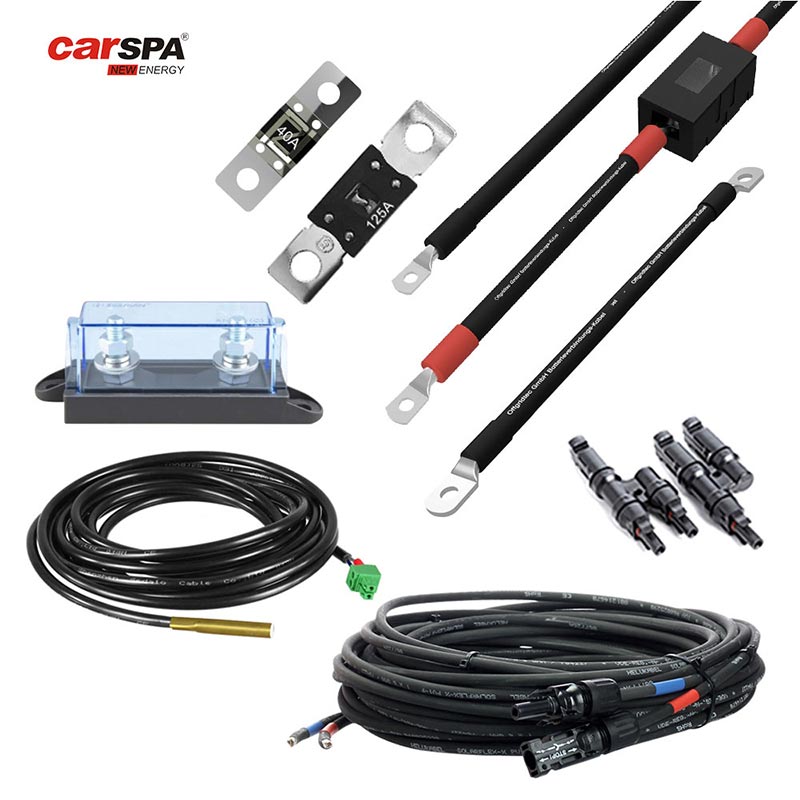
A reliable outdoor solar system must maintain performance even under unpredictable environmental conditions. Both the SCI1000 and SCI3000 models are equipped with multi-layer protection features such as:
Overcharge and over-discharge protection
Short-circuit and overload protection
Temperature-controlled charging management
Reverse-polarity and surge protection
Additionally, modern charge controllers and inverters employ intelligent monitoring to balance energy flow automatically. This ensures optimal battery usage, extends system lifespan, and minimizes human intervention — a key advantage in remote locations where maintenance visits are infrequent.
4. Weatherproof Construction for Harsh Conditions
Durability is non-negotiable in outdoor systems. Both models use high-quality aluminum frames, sealed connectors, and corrosion-resistant enclosures. The components typically achieve IP65 or higher protection levels, meaning they are resistant to dust, rain, and even coastal humidity.
This robust construction allows solar systems to operate reliably in environments ranging from deserts and farms to mountainous regions and seaside installations, maintaining output stability year-round.
5. Real-World Outdoor Applications
The adaptability of solar systems is what makes them so valuable:
Field research and monitoring–keeps sensors and cameras powered around the clock
Emergency and disaster response–provides electricity when the grid is down
Rural and agricultural operations–runs irrigation pumps and lighting systems
Outdoor living and tourism – powers lighting, appliances, and communications for extended stays
In each of these cases, solar systems offer reliable, renewable, and maintenance-friendly energy — an essential combination for users who operate far from urban infrastructure.

What Should You Consider When Choosing a Reliable Outdoor Solar System?
1. Matching Power Capacity to Real Needs
The first step in selecting a solar system is understanding how much energy your equipment requires.
For light-duty outdoor use, such as lighting, mobile devices, or communication equipment, a compact system like the SCI1000 1000W Off-grid Solar System is sufficient.
For medium to heavy-duty operations, including powering appliances, pumps, or full households, a higher-rated setup such as the SCI3000 3KW Complete Solar Power System is the better choice.
Choosing the correct wattage ensures that your system runs efficiently, avoiding both underperformance and unnecessary oversizing.
2. Evaluating Battery Storage and Runtime
Battery capacity determines how long your system can operate without sunlight.
In outdoor or remote areas, longer autonomy is vital — especially during cloudy days or emergencies.
SCI1000 integrates a 66Ah battery, ideal for moderate daily use and fast recharging.
SCI3000 features a 400Ah battery bank, offering extended runtime for full-day or multi-day operations.
When evaluating options, consider your average power consumption, expected sunlight hours, and how long you need backup energy.
3. Durability and Protection Ratings
Outdoor environments demand robust, weather-resistant construction.
Look for systems rated IP65 or above, ensuring protection from dust and water exposure. Metal enclosures, UV-resistant panels, and corrosion-proof connectors further enhance longevity.
Durability isn't just about materials — it's also about consistent performance over time, especially in high-temperature or high-humidity climates.
4. Ease of Installation and Mobility
A reliable solar system should be easy to deploy, relocate, and maintain.
Portable“all-in-one”systems like the SCI1000 can be installed within minutes without technical expertise.
Larger systems like the SCI3000 may require basic mounting but remain simple to manage thanks to modular design and standardized connections.
This plug-and-play approach saves time, reduces setup errors, and ensures users can start generating power immediately.
5. Choosing a Trusted Brand for Long-Term Value
The performance of a solar system depends not only on its technical specifications but also on the reliability of its manufacturer. Reputable brands invest in quality components, provide transparent specifications, and ensure ongoing support.
Choosing a trusted supplier means fewer failures, better energy efficiency, and peace of mind for years of operation.
Conclusion
Outdoor solar systems are reshaping how people and businesses access energy in off-grid environments. From portable 1000W units to complete 3KW setups, these systems deliver silent, clean, and efficient power wherever it's needed most.
By focusing on power capacity, storage, durability, and ease of use, users can select a solution that fits their specific field requirements.
For those seeking reliable and high-performance solar power products, CARSPA offers proven solutions such as the SCI1000 and SCI3000 series — engineered to provide dependable outdoor energy for work, travel, and emergency use.