
How Do Smart Control Features Enhance Safety in Modern Solar Systems?
Introduction
As solar energy systems become more integrated into everyday life—powering everything from off-grid homes and mobile workstations to outdoor monitoring devices—the expectations for performance and safety are rising just as quickly. Modern solar systems are no longer passive energy collectors; they are intelligent, adaptive, and self-protecting networks designed to operate efficiently under diverse environmental and load conditions.
However, generating clean energy is only part of the equation. Without effective smart control features, even the most advanced solar setup can face serious challenges: battery overcharging, voltage imbalance, overheating, or unexpected system failures. These risks not only threaten equipment longevity but also endanger operational stability in critical applications such as field communication, lighting, or remote surveillance.

To address these challenges, modern solar systems incorporate a new generation of smart control technologies—including intelligent charge controllers, temperature-compensated charging, real-time data monitoring, and multi-layer safety protocols. These features work together to optimize performance, extend component life, and most importantly, ensure safety under all operating conditions.
In this article, we'll explore how these smart control functions form the backbone of safe and reliable solar energy management, and why adopting intelligent protection is now essential for every modern solar system.
What Are Smart Control Features in Modern Solar Systems?
Modern solar systems have evolved from basic power generators into intelligent, self-regulating energy solutions. At the heart of this transformation lies smart control technology — a suite of electronic and digital functions that continuously monitor, adjust, and protect the system to maintain optimal performance and safety.
Definition and Core Functions
Smart control features refer to the built-in electronic intelligence that governs how a solar system operates. These include automatic charge regulation, energy distribution, fault detection, and system communication. A well-designed solar controller ensures that solar input, battery storage, and energy output remain balanced under varying sunlight and load conditions — without requiring constant user intervention.
Key Components of Smart Control Systems
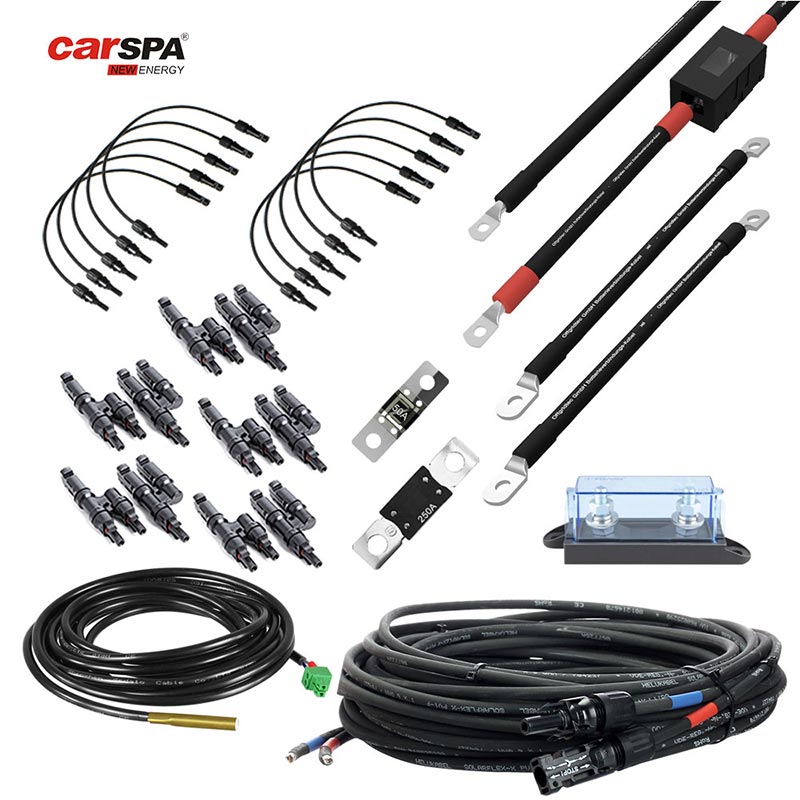
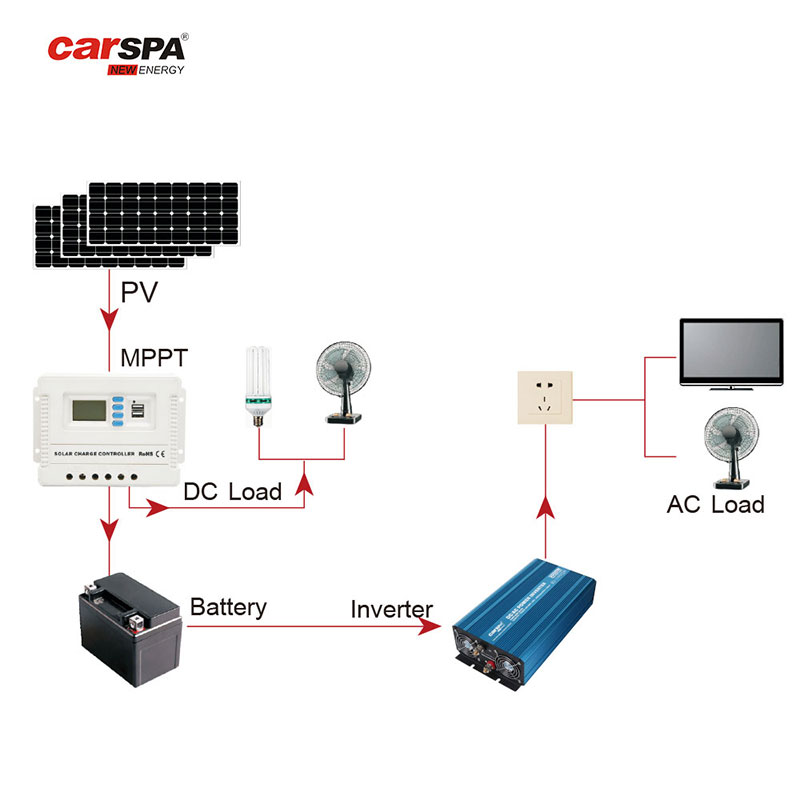
Solar Charge Controller – The central brain of the system. It manages how energy flows from the solar panels to the battery, preventing overcharging and ensuring efficient storage.
Temperature Sensor – Detects environmental changes and adjusts the charging voltage accordingly. This is essential for maintaining battery health in fluctuating outdoor temperatures.
LCD Display Interface – Provides real-time feedback on system status, including charging current, battery voltage, and power output. This transparency allows users to monitor performance easily.
Protection Circuits – Built-in hardware and software mechanisms that prevent short circuits, reverse polarity, overloads, and other hazardous events.
Real-Time Monitoring and Adjustment
Unlike older, static systems, smart-controlled solar systems constantly analyze data from sensors and power modules. When sunlight drops, the controller automatically limits output to conserve battery life; when the temperature rises, it adjusts charging voltage to prevent overheating. This real-time responsiveness ensures that every part of the system operates safely and efficiently, no matter the external conditions.
How Do These Features Improve Safety and Reliability?
Safety and reliability are the foundation of every well-designed solar system, and this is precisely where smart control features make the greatest impact. By integrating intelligent protection and adaptive management, modern systems can anticipate risks, prevent damage, and maintain consistent operation in even the most challenging environments.
Overcharge and Overload Protection
One of the most common risks in any solar power setup is battery overcharging or overloading of connected devices. Smart charge controllers continuously monitor battery voltage and current flow, automatically reducing or halting the charge when the battery reaches full capacity. Likewise, they limit the output current to prevent downstream overloads, ensuring both the battery and connected equipment remain within safe operating ranges.
Temperature Compensation for Battery Safety
Batteries are highly sensitive to temperature changes. Excessive heat accelerates chemical reactions, while cold slows them down—both of which can degrade performance or even cause failure. Smart control systems integrate temperature-compensated charging, which automatically adjusts charging voltage based on real-time temperature readings. This protects the battery from thermal stress, extends its lifespan, and maintains steady energy delivery across seasons.
Short-Circuit and Reverse Polarity Protection
In traditional setups, a single wiring mistake or sudden short circuit could lead to catastrophic damage. Smart controllers prevent this by instantly disconnecting the circuit when reverse polarity or short-circuit conditions are detected. This rapid response mechanism not only protects expensive components but also eliminates safety risks during installation and maintenance.
Intelligent Shutdown and Restart Logic
Smart control doesn't stop at simple protection—it also manages how and when the system recovers. If a fault or voltage anomaly occurs, the system performs an automatic shutdown to isolate the issue. Once conditions return to normal, it restarts safely without manual intervention. This ensures continuous operation and minimizes downtime, which is critical for outdoor and remote power applications where human access is limited.
Enhanced Reliability Through Continuous Feedback
By combining multiple protective layers—thermal, electrical, and operational—smart-controlled solar systems achieve a level of reliability that older manual systems simply cannot match. Each parameter is measured, analyzed, and adjusted automatically, creating a closed-loop feedback system that optimizes energy efficiency while maintaining safety.
How Does Smart Monitoring Help Users Manage Energy Safely?
Smart monitoring is one of the most visible and user-friendly advancements in modern solar systems. While many of the protective features operate silently in the background, real-time monitoring bridges the gap between system intelligence and user awareness—allowing users to see, understand, and control their energy flow with confidence.
LCD Display and Digital Interface
A well-designed solar controller includes an LCD screen or digital interface that provides immediate access to critical data such as charging voltage, battery status, current flow, and system load. This makes it easy for users to track how much power is being generated, stored, and consumed at any given time. By simply glancing at the display, operators can verify that the system is functioning within safe parameters without needing external diagnostic tools.
User Alerts and Status Indicators
Beyond numerical readings, smart controllers are equipped with visual and audible indicators to alert users when an issue arises. For instance, a flashing LED or an on-screen warning may appear during an over-temperature event, low battery voltage, or connection fault. These proactive alerts allow users to take preventive action before a minor irregularity turns into a system failure, significantly enhancing overall safety.
Performance Tracking and Data Logging
Many intelligent solar systems also feature built-in data recording capabilities that store performance information over time. This includes energy production history, voltage trends, and system load patterns. By analyzing this data, users can identify inefficiencies, detect emerging issues (like battery degradation), and plan maintenance schedules more effectively. The result is a safer, more predictable energy management process that minimizes unexpected downtime.
Remote or Wireless Monitoring (Optional Integration)
Some advanced systems extend monitoring beyond the LCD panel through wireless connectivity—allowing users to check system performance remotely via smartphone apps or web dashboards. This feature is especially valuable for installations in remote or hard-to-access areas, enabling real-time supervision and alert notifications wherever you are. Whether powering an outdoor cabin or an off-grid monitoring station, this level of visibility ensures that safety and performance remain under full control.
Empowering Safer Energy Decisions
Ultimately, smart monitoring turns solar systems from static hardware into interactive, intelligent energy platforms. Users are not only protected by automatic control mechanisms but also empowered with the knowledge to make informed decisions—adjusting usage patterns, identifying faults early, and maintaining safer long-term operation.
Why Is Smart Protection Essential for Long-Term Operation?
In solar energy systems, safety and longevity are inseparable. Without proper protection, even a well-designed system can degrade prematurely or fail under stress. Smart protection features ensure that every component—from the solar panel to the battery and inverter—operates within safe limits, preserving performance and preventing costly breakdowns over years of use.
Preventive Maintenance through Intelligent Detection
Traditional solar setups rely on users to notice irregularities manually, often only after a problem has caused damage. Smart systems, by contrast, employ continuous diagnostic monitoring that detects voltage fluctuations, temperature anomalies, or current surges before they become dangerous. This early detection allows preventive maintenance instead of reactive repairs—reducing downtime, cost, and risk.
Battery Health Management and Lifespan Extension
The battery is the heart of any solar system and also its most vulnerable part. Smart control technologies maintain battery health through regulated charging cycles that prevent deep discharge and overvoltage. The integration of temperature-compensated charging and load management logic keeps batteries within optimal operating conditions, extending their service life by years while maintaining stable energy output.
Consistent Power Supply under Variable Conditions
Outdoor and off-grid systems must operate reliably even when sunlight intensity, ambient temperature, or load demand changes drastically. Intelligent control algorithms adjust the charging current, voltage, and output flow dynamically to maintain consistent power supply. This stability is vital for critical applications such as communication systems, lighting networks, or environmental monitoring stations that require uninterrupted energy.
Reduced Component Stress and Longer System Life
Over time, minor voltage spikes, temperature swings, or current surges can cause wear on circuits, connectors, and electronic components. Smart protection minimizes these stresses by balancing loads and filtering electrical noise. This ensures smoother current flow and reduces the likelihood of component fatigue or premature failure, allowing the system to maintain performance for many operational years.
Confidence in Remote and Unattended Operations
In many cases, solar systems are installed in remote locations—such as rural farms, off-grid cabins, or remote weather monitoring points—where human supervision is limited. Smart protection mechanisms provide peace of mind by autonomously handling faults, managing recovery, and preventing dangerous conditions. Users can rely on the system to operate safely even when no one is nearby to intervene.
Safety as a Core Value, Not an Option
In essence, smart protection transforms safety from a manual task into an automatic, integrated system behavior. It allows solar systems to protect themselves, adapt intelligently, and serve reliably across changing environments. This shift not only extends operational life but also establishes long-term trust in solar technology as a dependable, maintenance-light energy source.
Conclusion
As solar power continues to redefine the way we generate and use energy, smart control technology has become a cornerstone of safe and efficient operation. A modern solar system is far more than an assembly of panels, batteries, and cables—it is an intelligent ecosystem designed to think, react, and protect itself in real time.
By integrating advanced features such as temperature-compensated charging, automatic overload protection, fault detection, and digital monitoring, smart solar systems deliver both reliability and resilience. These technologies ensure that power is not only efficiently produced but also safely managed, even under the unpredictable conditions of outdoor environments.
The advantages extend well beyond daily operation. Over time, smart protection mechanisms minimize wear on components, preserve battery health, and maintain consistent output—turning what was once a short-term energy solution into a long-term investment in independence and sustainability. For users, this means lower maintenance costs, reduced downtime, and complete peace of mind knowing their power source is actively safeguarding itself.
In today's fast-evolving renewable energy landscape, intelligent control is no longer a premium add-on—it is the new standard. Brands like CARSPA continue to lead this transformation by developing solar systems equipped with advanced smart control and safety technologies, empowering users worldwide to enjoy clean, stable, and truly worry-free energy anywhere the sun shines.


