
Why Are Battery Chargers Essential for Reliable Outdoor Power Solutions?
Introduction
In today's world, outdoor power reliability has become more important than ever. Whether it's for camping, construction sites, off-grid monitoring systems, or emergency operations, having a dependable source of electricity can make a critical difference. Traditional power sources such as grid electricity or portable generators are often unavailable or unreliable in remote areas, leading to interruptions in essential activities.
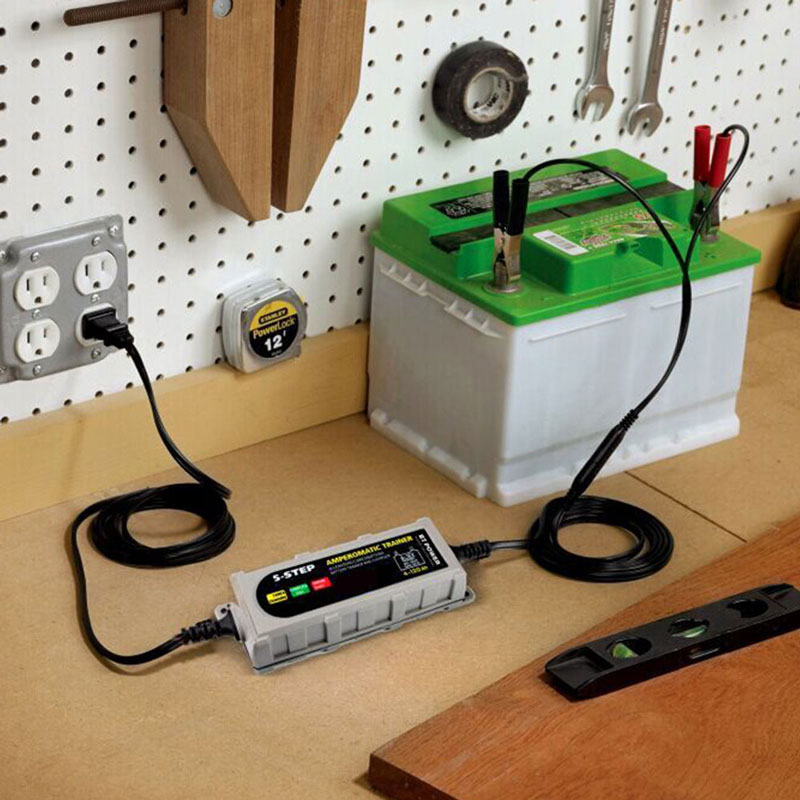
A battery charger plays a vital role in maintaining continuous power for outdoor equipment. By efficiently converting available energy sources — such as AC mains, solar panels, or vehicle alternators — into stable charging output, it keeps batteries ready for use at all times. From lighting and surveillance systems to water pumps and portable devices, modern battery chargers ensure that outdoor systems remain operational and safe under all conditions.

As outdoor environments pose unique challenges such as temperature fluctuations, humidity, and dust exposure, choosing the right charger becomes a matter of both performance and durability. Advanced chargers are now designed to deliver intelligent charging management, energy efficiency, and long-term reliability, making them an essential part of any outdoor power system.
What Makes a Battery Charger Vital for Outdoor Power Systems?
Reliable power is the backbone of any outdoor operation — from off-grid monitoring stations to mobile work equipment and field lighting setups. In these environments, where power sources are often unstable or completely unavailable, a battery charger ensures that energy storage systems remain charged and ready for immediate use. Without it, even the most advanced batteries will eventually lose their charge, halting critical activities and compromising safety or productivity.
Power Continuity in Unstable Conditions
Outdoor systems frequently operate in areas where grid access is limited or non-existent. A quality battery charger bridges this gap by converting various available power sources — such as vehicle engines, portable generators, or solar panels — into controlled, consistent current for battery charging. This function ensures power continuity for essential devices like communication equipment, lighting towers, and monitoring units.
Supporting Mobility and Remote Operations
For mobile or remote setups, such as construction camps, surveillance sites, and agricultural installations, portability and dependability are key. A robust outdoor battery charger allows these systems to operate independently for extended periods. Whether powering sensors in irrigation systems or lighting in temporary field offices, the charger serves as the silent link between stored energy and uninterrupted operation.
Efficiency and Safety in Energy Conversion
Modern outdoor battery chargers incorporate smart control circuits that regulate charging voltage and current according to battery condition. This not only maximizes charging efficiency but also protects batteries from overcharging, overheating, or deep discharging — issues that can significantly shorten battery lifespan. By ensuring optimal energy management, a reliable charger helps reduce downtime and replacement costs.
Versatility Across Outdoor Applications
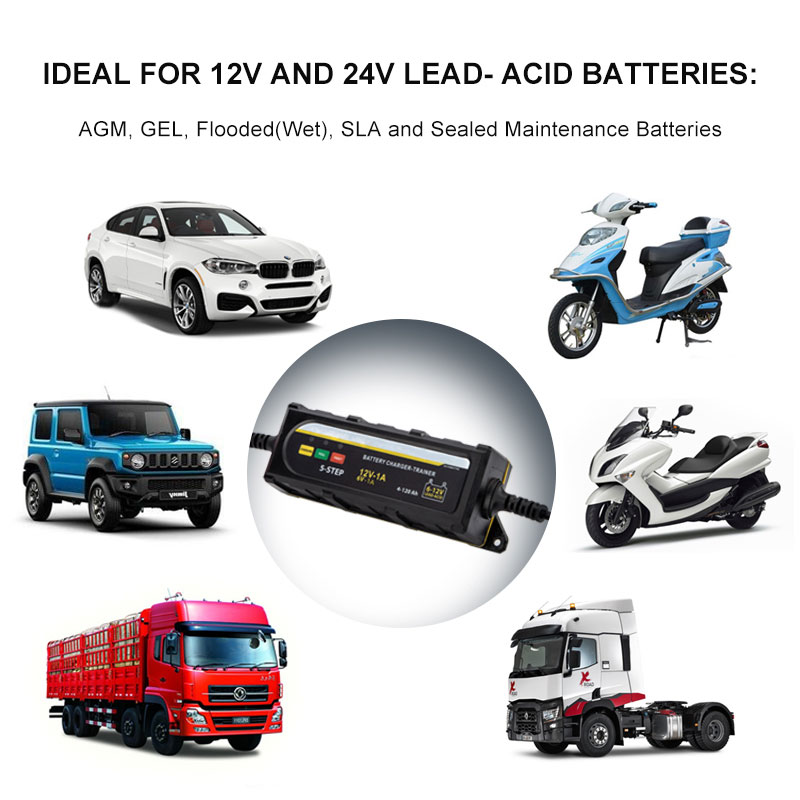
From recreational uses such as RVs and marine boats to industrial ones like mobile power units and off-grid pumps, the need for consistent DC power is universal. High-quality chargers are engineered to handle different battery chemistries — including lead-acid, AGM, and lithium — and can automatically adjust to provide the correct charging profile for each. This flexibility makes them indispensable across all kinds of outdoor operations.
How Do Outdoor Battery Chargers Work in Different Environments?
Outdoor applications often expose equipment to challenging environmental conditions—fluctuating temperatures, moisture, dust, and vibration. A well-designed battery charger must therefore go beyond simply “charging a battery.” It must ensure consistent performance and protection under harsh surroundings, making environmental adaptability a core factor in its design.
Weather Resistance and Protective Design
Outdoor battery chargers are built with protective enclosures rated by the IP (Ingress Protection) system. For example, an IP65 or IP67 rating indicates that the charger is resistant to dust and water intrusion, making it suitable for use in rain, humidity, or even marine environments. High-quality housings made from aluminum or reinforced plastic also provide shock resistance, preventing mechanical damage during transport or installation in rugged terrain.
Thermal Adaptability and Intelligent Cooling
Temperature variation can drastically affect charging performance. Advanced outdoor chargers include thermal sensors and smart control algorithms that automatically adjust charging voltage based on ambient temperature. In extreme heat, they reduce current to prevent overheating; in cold weather, they increase output to maintain battery efficiency. Some models also integrate active cooling systems or fanless convection designs to maintain stability in remote installations.
Smart Charging Logic and Multi-Stage Operation
Unlike basic chargers, outdoor-rated models typically feature multi-stage charging — bulk, absorption, and float phases — to optimize battery health. During the bulk phase, the charger quickly replenishes energy; during absorption, it carefully completes charging without overloading; and in the float stage, it maintains full charge without overcharging. This intelligent approach extends battery lifespan and ensures readiness whenever power is needed.
Compatibility with Different Power Inputs
Outdoor charging systems often rely on variable input sources. A good charger can seamlessly handle AC input from generators or grid lines as well as DC input from solar panels or vehicle alternators. Some hybrid models automatically detect the power type and adjust their internal circuitry for stable charging output, allowing users to switch between sources without manual configuration.
Rugged Performance in Remote Locations
In remote operations — such as mining, forestry, or communications outposts — downtime is costly. Rugged outdoor chargers are designed for 24/7 operation, with protective coatings on circuit boards (conformal coating) to prevent corrosion, and with built-in surge protection against voltage spikes from generators or solar fluctuations. These features collectively ensure that the system remains reliable even in the most demanding outdoor environments.
What Are the Key Features to Consider When Choosing a Battery Charger for Outdoor Use?
Selecting the right battery charger for outdoor environments goes far beyond checking voltage and current ratings. It requires understanding the operating conditions, energy source types, and the specific reliability needs of your system. A well-chosen charger not only enhances performance but also extends battery lifespan and reduces long-term maintenance costs.
Wide Input Voltage Range and Power Compatibility
Outdoor systems often use diverse energy sources — from solar panels and portable generators to vehicle alternators. Therefore, a reliable charger must support a broad input voltage range, typically from 90V to 265V AC or 10V to 32V DC. This ensures consistent charging even when power supply fluctuates. Many professional-grade chargers automatically regulate the input to protect batteries and internal components from sudden surges or low-voltage conditions.
Smart Protection and Safety Functions
Outdoor charging setups face constant risks such as unstable electricity or improper connections. High-quality chargers incorporate multiple safety protections:
Overcharge and Over-discharge protection to prevent battery damage.
Short-circuit and reverse polarity protection to avoid wiring errors.
Over-temperature shutdown to maintain stability under heavy loads.
Automatic recovery function, which allows the charger to resume operation once the fault is cleared.
These built-in mechanisms reduce human intervention and ensure peace of mind for long-term outdoor use.
Portability and Structural Durability
Portability is critical for field operations such as rescue missions, outdoor lighting systems, and mobile workshops. A charger designed for these environments should have a lightweight yet robust structure, often featuring compact metal casings with ergonomic handles and quick-connect terminals. In addition, mounting options (wall or vehicle-based installation) make deployment easier in different field conditions.
Intelligent Charging and Battery Health Management
Modern outdoor battery chargers use microprocessor-controlled algorithms that automatically detect battery type and condition, adjusting charging voltage and current accordingly. Some advanced models include:
Temperature compensation for consistent performance across climates.
Trickle charging mode to maintain charge without overheating.
Equalization mode for lead-acid batteries to prevent sulfation.
These functions ensure optimal battery performance and longer service life, even in continuous operation scenarios.
Monitoring, Display, and Remote Management
In many outdoor systems, monitoring the power status is essential. Chargers with LCD or LED displays provide clear visibility of voltage, current, and charging stage. Some models even offer remote monitoring through Bluetooth, Wi-Fi, or RS485 interfaces, allowing technicians to supervise multiple systems simultaneously. This is particularly useful for off-grid installations such as telecom towers or environmental monitoring stations.
Energy Efficiency and Eco-Friendliness
With rising energy costs and sustainability awareness, efficient charging is no longer optional. Look for chargers with high conversion efficiency (above 90%) and low standby consumption. Efficient chargers reduce energy waste, extend operating time for renewable-powered systems, and contribute to environmentally responsible outdoor operations.
Which Outdoor Applications Benefit Most from Advanced Battery Chargers?
Battery chargers are no longer limited to indoor workshops or garages — they have become indispensable across a wide range of outdoor industries and applications. From agriculture to emergency rescue, from surveillance to recreation, a reliable battery charger ensures that every system runs smoothly, even when grid power is unavailable or unstable.
Outdoor Lighting and Security Systems
Street lights, construction lighting towers, and surveillance cameras often operate in isolated areas. These systems rely on batteries for nighttime or backup operation, which must be regularly charged to ensure consistent performance.
An outdoor-grade battery charger maintains these batteries efficiently through smart charging control and weather-resistant enclosures, preventing failures that could compromise safety or visibility. In smart city projects or remote industrial sites, automated chargers also integrate with solar or hybrid power systems, minimizing human maintenance.
Camping, RVs, and Marine Equipment
Outdoor recreation and marine environments present unique power challenges — continuous use, varying load demands, and exposure to water or vibration. High-performance chargers are used to maintain deep-cycle batteries that power refrigerators, lighting, navigation systems, and communication devices.
Portable DC-DC chargers are particularly valuable for RVs and boats, as they can convert alternator output into stable charging current while driving or sailing. This ensures comfort and safety without dependence on external electricity sources.
Agricultural and Irrigation Systems
Modern agriculture increasingly depends on automation — from irrigation pumps to remote sensors that track soil conditions. Many of these operate far from grid power. Battery chargers designed for outdoor use work hand-in-hand with solar energy systems or water pump controllers, keeping batteries charged throughout the day for continuous operation at night or during cloudy weather.
Their ability to withstand dust, moisture, and temperature variations makes them ideal for rural or harsh agricultural environments.
Emergency and Rescue Power Solutions
In emergency response or disaster relief scenarios, rapid deployment and dependable power are critical. Chargers with multi-input capability (AC/DC/solar) and fast-charging modes can restore power to medical devices, communication systems, and lighting units quickly. Their rugged design ensures operation even under extreme conditions — such as flooding, high heat, or strong vibration — where standard chargers would fail.
Industrial Monitoring and Remote Installations
Industrial sites, pipelines, or telecommunication towers often depend on battery backup systems for 24/7 operation. These sites may be unattended for months, requiring chargers with remote diagnostics and automatic maintenance features.
Advanced chargers can communicate via RS485 or wireless interfaces, sending performance data to a central control center. This capability allows technicians to identify issues early and extend system life with minimal field visits — a crucial factor for cost and reliability in remote deployments.
How Can You Ensure Long-Term Reliability and Efficiency in Outdoor Charging Systems?
Once the right battery charger is installed, ensuring its long-term performance becomes the next crucial step. Outdoor environments expose electrical equipment to continuous stress — temperature fluctuations, humidity, dust, and voltage instability. To maintain dependable operation and extend the lifespan of both chargers and batteries, users should focus on preventive maintenance, proper installation, and intelligent system integration.
Regular Maintenance and Inspection Practices
Even the most durable charger requires routine checks. Key maintenance steps include:
Inspecting connectors and terminals for corrosion or loose connections.
Cleaning air vents and cooling surfaces to prevent overheating.
Checking cable insulation for wear caused by UV exposure or friction.
Testing output voltage and current periodically to verify efficiency.
Establishing a quarterly inspection routine ensures stable charging and prevents small issues from developing into costly failures. For remote systems, this can be supplemented by remote monitoring tools that send alerts when abnormalities occur.
Environmental Protection and Proper Placement
Where a charger is installed has a major impact on its reliability. Always place the unit in a well-ventilated, shaded, and elevated area to minimize exposure to direct sunlight, rainwater, or flooding. Use weatherproof casings and secure cable entry points with waterproof glands.
In coastal or desert environments, consider using chargers with anti-corrosion coatings and enhanced IP ratings (IP66 or above). These features protect internal electronics from salt, sand, and humidity — key factors that can degrade outdoor systems over time.
Using High-Quality Cables and Connectors
Energy efficiency is not only determined by the charger itself but also by the quality of cables and connectors. Long or undersized wires can lead to voltage drops and heating, reducing charging effectiveness.
Use oxygen-free copper cables with proper insulation and connectors rated for the charger's current output. For field applications, quick-connect terminals or Anderson-type connectors improve convenience and reduce the risk of accidental polarity reversal.
Integration with Renewable and Hybrid Systems
Combining chargers with renewable energy sources such as solar panels or wind turbines can significantly enhance system efficiency. Smart chargers equipped with MPPT (Maximum Power Point Tracking) technology automatically optimize the power harvested from renewables, ensuring faster and more efficient charging even under variable sunlight conditions.
In hybrid systems — for example, combining solar panels, generators, and batteries — intelligent control units can prioritize the most efficient source, reducing fuel consumption and environmental impact.
Monitoring Performance and Upgrading When Necessary
Technology evolves rapidly. Modern chargers now include digital diagnostics, Bluetooth monitoring, and auto-recovery systems that make long-term management easier. Keeping firmware updated and monitoring usage data helps identify early signs of decline in charging performance.
For large-scale outdoor setups, centralized management platforms allow multiple chargers to be supervised simultaneously, reducing maintenance costs and maximizing uptime.
Sustainability and Lifecycle Considerations
Efficient battery charging contributes directly to sustainability. By maintaining optimal charging conditions, energy waste and premature battery disposal are minimized. Selecting chargers with high conversion efficiency (over 90%) and low idle power consumption helps reduce total energy usage — a growing priority in modern outdoor and industrial operations.
Conclusion
Reliable power supply is the foundation of every outdoor system — from remote monitoring networks to agricultural automation and emergency services. A durable and intelligent battery charger ensures that energy is always available when needed, regardless of environmental conditions.
With advanced protection, smart control, and efficient design, outdoor chargers transform the way off-grid and hybrid systems operate. Choosing a trusted brand like CARSPA, known for its high-quality, weather-resistant, and intelligent battery charging solutions, guarantees stability, performance, and peace of mind for every outdoor power application.


