
How Does PWM Enhance Outdoor Energy Systems for Efficiency and Reliability?
Introduction
In outdoor power and energy systems, efficiency, stability, and reliability are always top priorities. One technology that has proven to be highly effective in achieving these goals is PWM (Pulse Width Modulation). Unlike traditional control methods that waste energy or deliver inconsistent results, PWM enables precise regulation of voltage and current, ensuring that devices perform at their optimal level even under changing environmental conditions.

From solar charge controllers and outdoor lighting systems to portable inverters and renewable energy setups, PWM is now widely recognized as the foundation for smart energy management. It not only improves overall efficiency but also extends the lifespan of equipment, making it an essential choice for modern outdoor applications. By understanding how PWM works and where it can be applied, businesses and organizations can build solutions that deliver reliable performance while keeping energy costs under control.
What Is PWM and Why Does It Matter for Outdoor Systems?
Understanding the Basics of PWM
PWM, or Pulse Width Modulation, is a method of controlling the amount of power delivered to electrical devices by rapidly switching the signal on and off. Instead of delivering a constant stream of energy, PWM adjusts the “on” time and “off” time in each cycle. This allows precise control of voltage and current without wasting energy as heat, making it far more efficient than traditional resistive control methods.
Why PWM Is Essential for Outdoor Applications
Outdoor systems such as solar charge controllers, LED lighting, and portable inverters often operate in unpredictable environments. They require stable and flexible power management to handle fluctuating energy sources like solar panels or variable loads like outdoor lighting. By using Pulse Width Modulation, these systems can regulate power smoothly and consistently, reducing stress on components and ensuring long-term durability.
The Difference Between PWM and Conventional Methods
Conventional control systems frequently struggle with energy losses, overheating, and unstable output. PWM, on the other hand, offers:
Higher efficiency by minimizing energy waste.
Greater precision in adjusting power flow to match real demand.
Improved system protection through smoother voltage and current delivery.
Because of these advantages, PWM has become a fundamental technology in outdoor energy solutions, ensuring that equipment can operate reliably even in challenging weather or load conditions.
How Does PWM Improve Energy Efficiency in Outdoor Applications?
Maximizing Efficiency in Outdoor Lighting
One of the most common outdoor applications of Pulse Width Modulation is in LED lighting systems. By using Pulse Width Modulation to dim lights or control brightness levels, the system avoids wasting energy on unnecessary output. For example, street lights or garden lights equipped with Pulse Width Modulation drivers can automatically adjust brightness according to the time of day or sensor input, providing optimal illumination with minimal power consumption.
Optimizing Solar Energy Systems
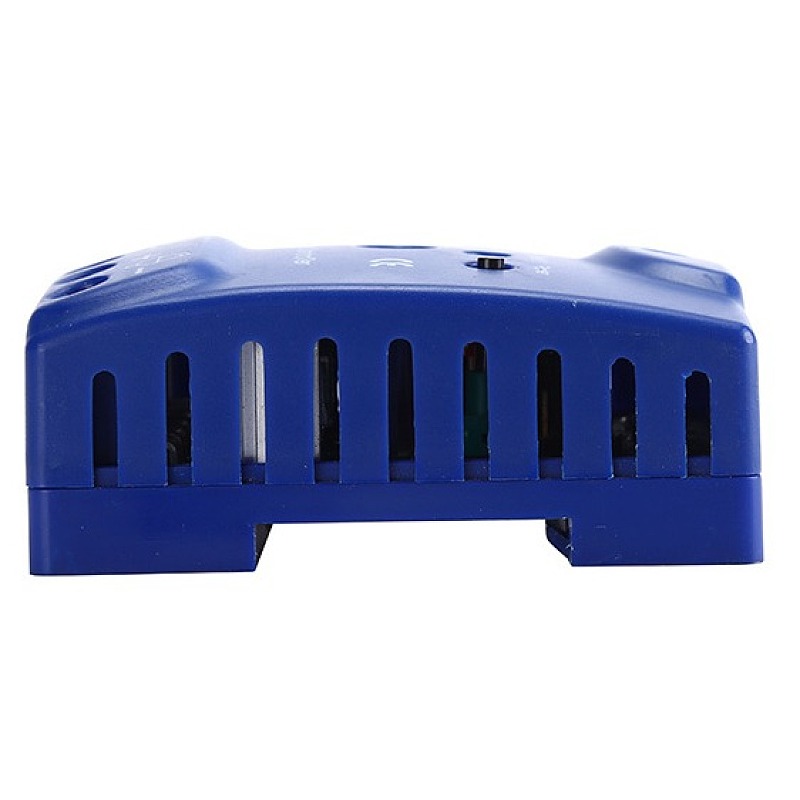
In solar-powered applications, Pulse Width Modulation plays a critical role in charge controllers. It regulates how electricity from solar panels flows into batteries, preventing overcharging while ensuring maximum utilization of available energy. This not only protects the battery but also extends its lifespan, which is crucial for outdoor setups where replacement or frequent maintenance can be costly.
Supporting Reliable Battery Management
PWM also enhances battery management in portable outdoor power systems. Whether in a camping power station, a remote monitoring site, or an off-grid installation, Pulse Width Modulation ensures that the charging and discharging cycles are handled with efficiency. By reducing power losses and heat buildup, it helps maintain consistent performance across a wide range of outdoor conditions.
Reducing Long-Term Energy Costs
The cumulative effect of PWM efficiency is significant cost savings. Outdoor facilities such as parks, highways, or remote communication stations can benefit from lower operational expenses since less energy is wasted. Moreover, the improved efficiency means smaller renewable setups can achieve the same output, lowering initial investment costs.
Why Is PWM Crucial for Reliable Outdoor Power Management?
Ensuring Stable Power Output
Outdoor environments often experience fluctuations in power sources, especially when relying on renewable energy such as solar or wind. Pulse Width Modulation technology helps smooth out these variations by delivering consistent voltage and current. This stability prevents equipment from experiencing sudden surges or drops, ensuring uninterrupted operation in critical outdoor systems.
Adapting to Harsh Environmental Conditions
Outdoor systems must operate in extreme weather, including high heat, low temperatures, humidity, or dust exposure. PWM contributes to resilience by reducing thermal stress on components, minimizing overheating risks, and providing fine control that protects devices from environmental strain. This makes PWM-based solutions ideal for remote or outdoor installations where reliability is non-negotiable.
Protecting Sensitive Equipment
Electronic devices used outdoors—such as sensors, cameras, or communication systems—are sensitive to power irregularities. PWM ensures smoother energy delivery, preventing premature wear and protecting against potential electrical damage. This extends the lifespan of both core power equipment and the connected devices.
Improving System Reliability and Safety
By offering precise regulation, Pulse Width Modulation reduces the likelihood of failures that could disrupt operations. For instance, in outdoor lighting or power stations, reliable Pulse Width Modulation control lowers the risk of sudden shutdowns. Furthermore, consistent performance means less maintenance and fewer unexpected outages, which is essential for outdoor projects where service access may be limited.
Where Can PWM Be Applied in Outdoor Technology?
Outdoor Lighting and Smart Illumination
PWM is widely used in LED drivers for outdoor lighting systems, including street lamps, pathway lights, and garden fixtures. By adjusting brightness levels with PWM dimming, these systems save energy while maintaining consistent illumination. Smart controllers can further integrate sensors, allowing automatic adjustment based on daylight levels or human presence, enhancing safety and efficiency.
Solar Photovoltaic Power Systems
In solar charge controllers, Pulse Width Modulation regulates the charging of batteries by balancing energy flow between solar panels and storage units. This prevents overcharging, reduces heat generation, and ensures batteries are charged efficiently. For outdoor solar systems in remote or off-grid areas, PWM control provides a cost-effective and reliable solution.
Outdoor Power Inverters and Generators
PWM technology is central to many inverters and portable power systems. It enables smooth AC waveform generation from DC sources, ensuring sensitive equipment like laptops, cameras, or communication devices operate safely outdoors. Whether used in camping, construction sites, or remote monitoring stations, PWM ensures consistent and efficient energy conversion.
EV Charging Stations and Renewable Infrastructure
PWM is also applied in electric vehicle chargers and renewable energy integration. Outdoor charging points rely on PWM to regulate current flow, protect batteries, and optimize charging cycles. Similarly, renewable-based microgrids in outdoor installations use Pulse Width Modulation to balance supply and demand, ensuring reliable operation.
Surveillance and Communication Equipment
Outdoor monitoring and telecom equipment often run on limited power supplies. PWM-based regulation ensures that cameras, sensors, and transmitters receive stable energy, reducing downtime and extending operational life. This is especially valuable in remote installations where continuous performance is essential.
What Should You Consider When Choosing a PWM-Based Solution for Outdoor Use?
Evaluating Technical Specifications
When selecting a PWM-based device for outdoor systems, it is essential to review the core specifications, including input voltage range, maximum current capacity, and modulation frequency. These parameters determine whether the solution can meet the demands of your outdoor application, from powering lighting networks to managing renewable energy sources.
Assessing Environmental Protection and Durability
Outdoor installations face challenges such as rain, dust, UV exposure, and temperature extremes. A reliable PWM solution should come with a high IP (Ingress Protection) rating and durable casing materials to withstand long-term outdoor exposure. Anti-corrosion coatings and weatherproof designs are additional factors that enhance performance in harsh conditions.
Checking Compatibility With Other Equipment
PWM controllers and drivers should integrate smoothly with inverters, solar panels, or battery storage systems. Ensuring compatibility prevents system conflicts and maximizes efficiency. For example, solar charge controllers with Pulse Width Modulation must match the specifications of both the solar array and the battery bank to deliver optimal results.
Considering Long-Term Maintenance and Cost
A well-chosen PWM solution not only reduces operational costs through energy savings but also lowers maintenance expenses. Look for systems with features such as thermal protection, automatic regulation, and modular components that can be replaced easily. Over the long run, these considerations reduce downtime and improve the return on investment.
Balancing Performance With Budget
While advanced PWM devices may come at a higher initial cost, they often deliver significant long-term savings. Balancing price with durability, efficiency, and performance is crucial, especially for large-scale outdoor projects where reliability is key.
Conclusion
PWM controller technology has become a cornerstone of modern outdoor energy and power systems. By delivering precise control of voltage and current, it not only boosts efficiency but also ensures long-term reliability in applications ranging from solar systems and outdoor lighting to inverters and communication equipment. With the ability to adapt to harsh conditions, protect sensitive devices, and reduce overall energy costs, PWM stands out as the smart choice for outdoor projects that demand both performance and durability.
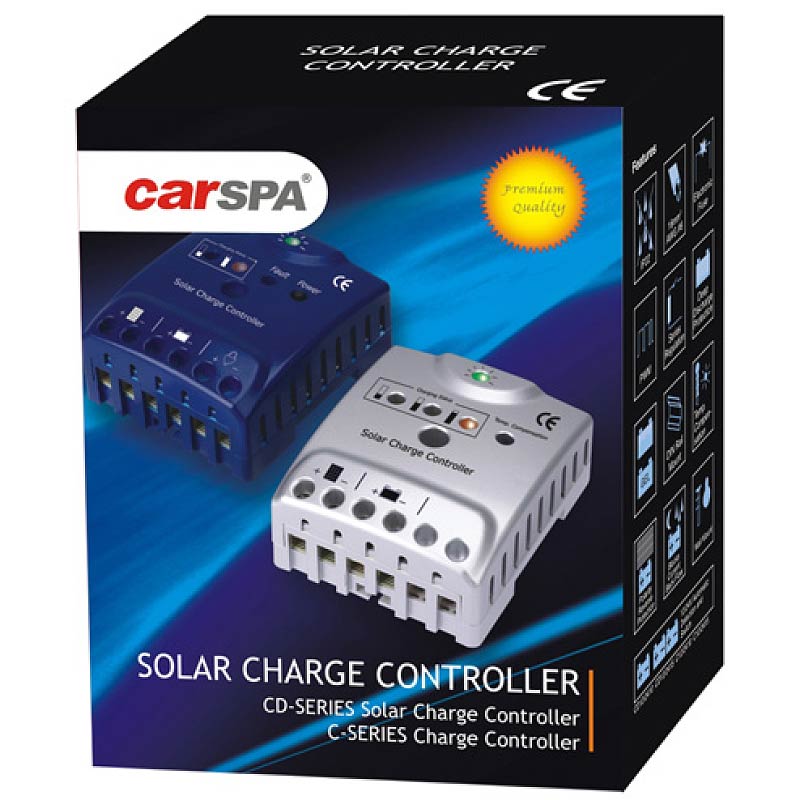
For organizations looking to implement advanced PWM-based solutions, selecting a trusted provider is just as important as understanding the technology itself. CARSPA, with its proven expertise and reliable products, offers a range of PWM-driven solutions designed to meet the challenges of outdoor applications and deliver consistent results over time.


