
How Can a PWM Controller Improve Outdoor Power Performance and Reliability?
Why Is a PWM Controller Essential for Outdoor Power Applications?
In modern outdoor electrical and energy systems, efficiency, stability, and reliability are critical. A PWM controller (Pulse Width Modulation controller) has become a central component in ensuring that outdoor devices—such as solar-powered lighting, remote monitoring stations, and off-grid equipment—operate with consistent performance and minimal energy loss.
Maximizing Energy Utilization
Outdoor applications often rely on limited or variable energy sources, such as solar panels or battery storage. A PWM controller precisely regulates voltage and current, ensuring that power is delivered in the most efficient way possible. This optimization reduces unnecessary energy waste and extends the usable lifetime of batteries.
Enhancing System Stability
Outdoor environments present constant challenges: fluctuating temperatures, dust, humidity, and unstable energy inputs. By rapidly adjusting output through modulation, a PWM controller stabilizes power supply, preventing damage to sensitive electronics and ensuring uninterrupted operation.

Broad Application Scenarios
From public lighting systems and landscape illumination to outdoor communication equipment and portable power stations, PWM controllers deliver measurable benefits. They not only boost performance but also enhance long-term reliability, making them indispensable for outdoor power solutions.
How Does a PWM Controller Improve Energy Efficiency in Outdoor Systems?
Energy efficiency is one of the most important factors in outdoor applications where power resources are often limited. A PWM controller plays a decisive role in optimizing energy use and ensuring that every watt is effectively converted into usable output.
Precise Voltage and Current Regulation
Outdoor systems—such as solar-powered lights or monitoring stations—are frequently exposed to variable energy inputs. A PWM controller regulates voltage and current flow with high precision, preventing overcharging or underpowering. This fine control allows devices to operate at optimal performance levels while avoiding unnecessary energy loss.
Extending Battery Life
In many outdoor setups, batteries serve as the backbone of the system. Without proper regulation, batteries may degrade faster due to irregular charging cycles. A PWM controller ensures smooth charging and discharging, reducing stress on the battery cells. As a result, the overall battery lifespan is extended, lowering replacement costs and maintenance frequency.
Maximizing Renewable Energy Utilization
For systems powered by solar panels or hybrid renewable sources, the ability to harness energy efficiently is crucial. A PWM controller optimizes the energy transfer from panels to storage or load, ensuring that outdoor devices remain powered even under partial sunlight or fluctuating weather conditions.
Reducing Operational Costs
By minimizing energy waste and improving power conversion, a PWM solar charge controller directly contributes to lower operational expenses. Outdoor projects, whether small-scale installations or large distributed systems, benefit from reduced energy consumption and improved return on investment.
What Role Does a PWM Controller Play in Extending Equipment Lifespan?
Longevity is a critical factor for outdoor systems, where downtime and frequent replacement can lead to significant costs and operational disruptions. A PWM controller is not only an energy management tool but also a safeguard that prolongs the lifespan of batteries, electronic components, and connected devices.
Protecting Against Voltage Spikes and Drops
Outdoor equipment is often exposed to unstable energy inputs, whether from fluctuating solar power, battery voltage swings, or inconsistent grid supply. Without regulation, these fluctuations can cause electronic components to overheat or fail prematurely. A PWM controller smooths these irregularities, delivering steady power that protects sensitive circuits and reduces stress on equipment.
Reducing Heat and Electrical Stress
Excessive heat generation is one of the primary reasons electronic devices fail earlier than expected. By precisely modulating current flow, a PWM controller minimizes unnecessary energy dissipation as heat. This lowers thermal stress across batteries, drivers, and LED boards, ensuring that outdoor systems maintain safe operating conditions and last longer.
Optimizing Battery Health
Batteries are the backbone of many outdoor installations, from solar-powered lighting to remote monitoring stations. Improper charging cycles—such as frequent overcharging or deep discharging—can drastically shorten their lifespan. A PWM controller ensures balanced charging and discharging patterns, reducing wear on battery cells. This not only extends usable life but also minimizes replacement frequency, saving costs over time.
Preventing Overload on Connected Devices
Outdoor devices like LED lights, pumps, or communication transmitters can suffer damage if they receive more current than designed. A PWM controller prevents overload by matching power supply to load requirements in real-time. By ensuring that each device receives only the energy it needs, the controller prevents premature failures and lowers the risk of costly equipment replacement.
Lowering Long-Term Maintenance Costs
The combined effect of stable voltage regulation, thermal protection, and battery optimization is a significant reduction in maintenance needs. Systems equipped with a PWM controller require fewer interventions, less downtime, and deliver consistent performance over extended lifespans—making them more cost-effective and dependable in the long run.
Why Is Precise Voltage and Current Regulation Important for Outdoor Devices?
Outdoor devices—from lighting systems to communication equipment—depend on a stable and controlled power supply to function reliably. A PWM controller ensures that voltage and current remain within safe limits, enabling sensitive components to perform consistently under challenging conditions.
Ensuring Consistent Performance
Fluctuating power input can cause outdoor devices to dim, flicker, or even shut down unexpectedly. By precisely regulating voltage and current, a PWM controller delivers a steady flow of energy, ensuring that equipment such as LED lights, sensors, or transmitters operates at peak performance without interruption.
Protecting Sensitive Electronics
Modern outdoor systems often integrate advanced electronics and digital control units. These components are highly sensitive to voltage spikes or irregular currents. A PWM controller acts as a safeguard, filtering and regulating power delivery so that electronics remain protected against potential damage.
Improving Efficiency of Lighting Systems
In outdoor LED lighting applications, efficiency and brightness depend heavily on stable current regulation. A PWM controller fine-tunes the output to maintain optimal brightness levels while preventing energy waste. This not only enhances visibility and safety but also reduces overall power consumption.
Enabling Reliable Operation in Variable Environments
Whether powered by solar, batteries, or hybrid systems, outdoor applications face energy input fluctuations caused by weather, load changes, or grid instability. A PWM controller adapts to these conditions instantly, maintaining precise regulation and preventing costly equipment failures.
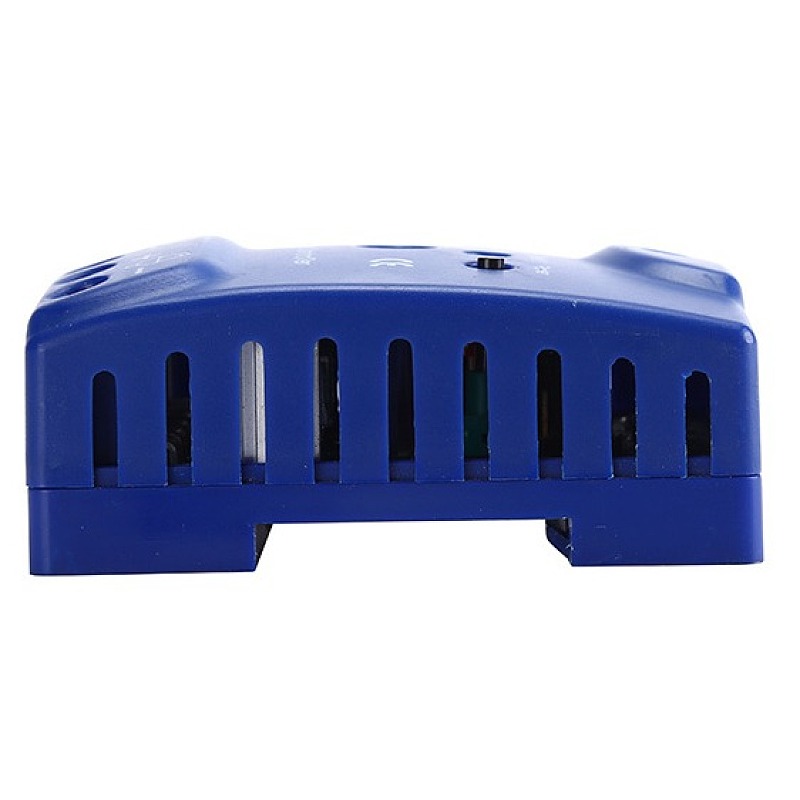
How Can a PWM Controller Enhance Reliability in Harsh Outdoor Environments?
Outdoor applications must endure unpredictable and often severe conditions, ranging from high heat and freezing temperatures to heavy rainfall, dust, and unstable power inputs. A PWM controller ensures that these systems remain reliable, safe, and efficient regardless of environmental stress.
Adapting to Extreme Temperature Ranges
Outdoor systems may operate under direct sunlight at temperatures above 45°C during the day and drop below freezing at night. A PWM controller automatically adjusts voltage and current delivery, compensating for these extremes. This adaptability prevents overheating of components and ensures smooth power delivery even in low-temperature environments, keeping outdoor systems consistently operational.
Safeguarding Against Dust, Moisture, and Vibration
Outdoor equipment is constantly exposed to dust particles, humidity, and occasional mechanical shocks. Without proper protection, these elements can cause corrosion, short circuits, or unstable output. By regulating electrical flow and preventing power surges, a PWM controller reduces vulnerability to such risks. Many outdoor-ready models are designed with protective coatings and sealed enclosures, ensuring durability in challenging environments.
Stabilizing Renewable and Variable Power Inputs
Solar-powered outdoor systems are highly dependent on weather conditions. On cloudy days or during partial shading, energy input can fluctuate dramatically. A PWM controller stabilizes these irregular inputs, delivering smooth and continuous power to devices. This ensures that outdoor lights do not flicker, communication stations remain connected, and monitoring systems continue to function without disruption.
Supporting Mission-Critical Applications
Reliability is crucial in outdoor applications such as security cameras, remote sensing equipment, and emergency lighting. Any downtime could compromise safety, monitoring accuracy, or operational continuity. A PWM controller guarantees dependable power management, minimizing system interruptions and ensuring uninterrupted service in mission-critical applications.
Reducing Long-Term Maintenance Burden
Because PWM controllers reduce electrical stress and adapt to environmental conditions, outdoor systems experience fewer failures. This translates into lower maintenance frequency, reduced technician visits, and minimized downtime—factors that are especially important for systems installed in remote or hard-to-reach areas.
What Makes a Trusted Brand the Right Choice for Outdoor PWM Controllers?
Choosing the right PWM controller is not only about technical specifications—it is also about long-term reliability, safety, and value. Outdoor systems require controllers that can deliver stable performance under demanding conditions while reducing overall operating costs.
Reliability and Quality Assurance
A trusted brand ensures that every PWM controller is manufactured with strict quality standards. This means outdoor devices benefit from consistent voltage regulation, efficient charging cycles, and robust protection against electrical stress.
Compatibility With Outdoor Applications
Different outdoor systems—such as solar-powered lighting, remote monitoring, or communication stations—demand different levels of power management. Selecting a reliable PWM controller brand provides flexibility, ensuring compatibility across various applications while maintaining efficiency.
Long-Term Cost Savings
By extending equipment lifespan, protecting batteries, and minimizing downtime, a well-designed PWM controller delivers significant cost savings. Over time, this reduces the total cost of ownership and maximizes return on investment for outdoor projects.
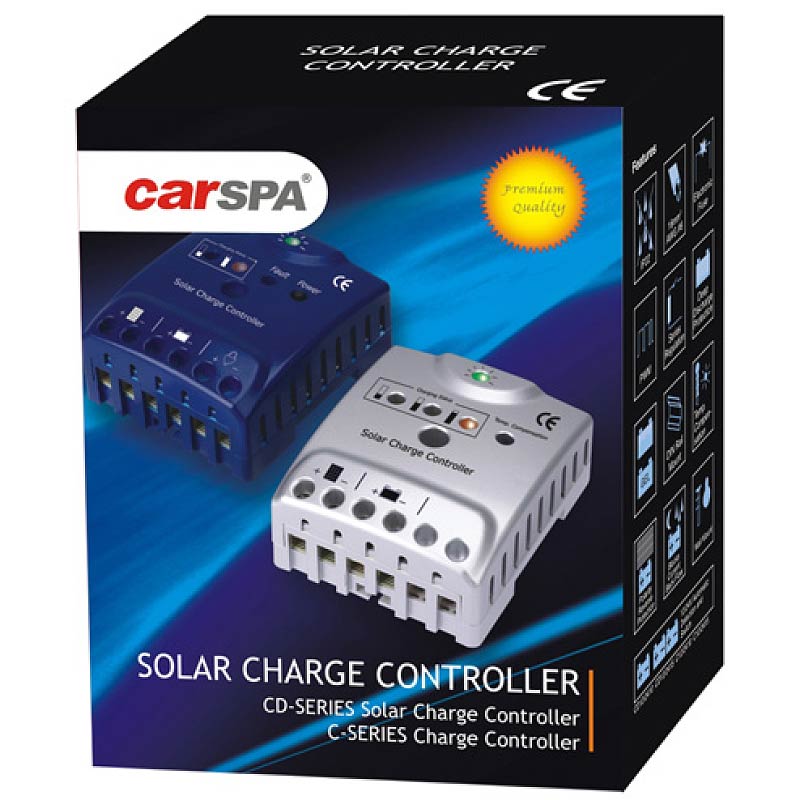
Why CARSPA?
With extensive experience in power electronics, CARSPA provides high-quality PWM controllers designed for outdoor use. Their products combine advanced regulation technology with durable construction, making them a dependable choice for businesses seeking long-lasting and efficient outdoor power solutions.


.jpg)
.jpg)
.jpg)
.jpg)
.jpg)
.jpg)


