
What Type of Battery Charger Is Best for Your Automotive Needs?
What Makes a Battery Charger Essential for Every Vehicle Owner?
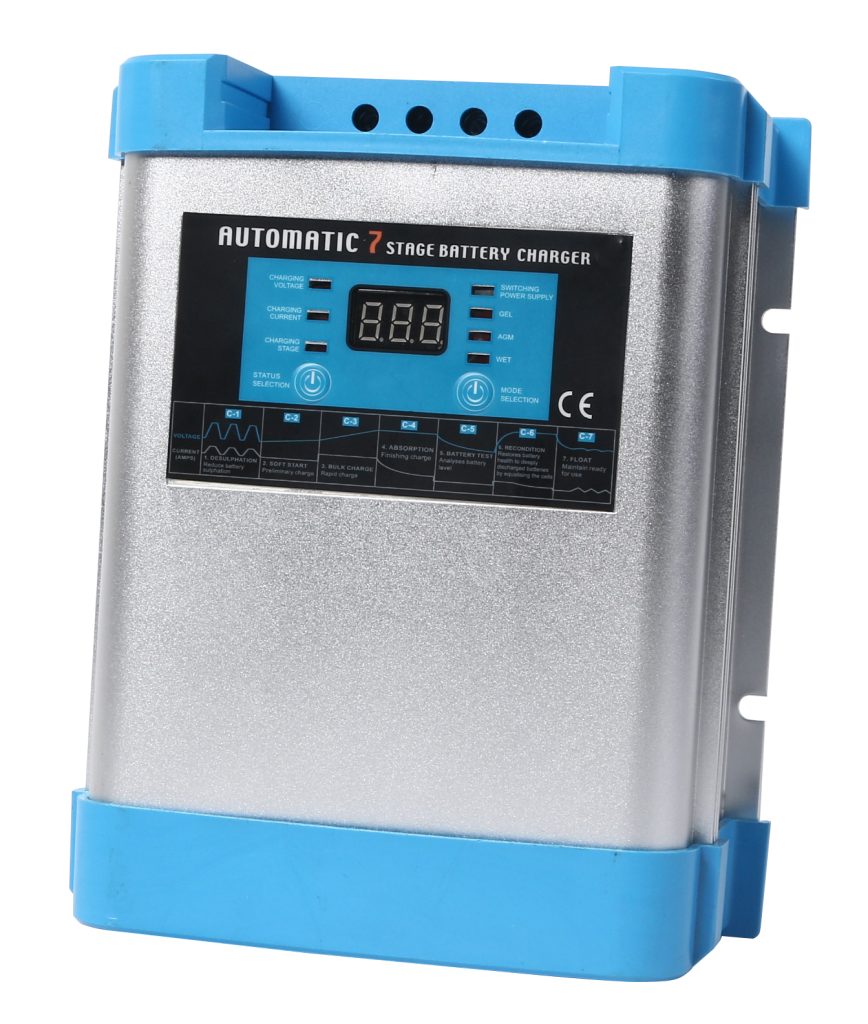
In today's fast-paced, digitally connected world, a reliable battery charger is no longer a luxury—it's a necessity for every vehicle owner. Whether managing a fleet of delivery vans, operating service vehicles, or simply maintaining standby cars during off-seasons, keeping automotive batteries charged and healthy is critical for ensuring consistent performance and avoiding costly downtime.
Preventing Unexpected Battery Failure
One of the leading causes of vehicle breakdowns is a dead battery, especially in colder climates or when vehicles are parked for extended periods. A high-quality battery charger helps keep batteries in optimal condition, preventing the common problem of charge depletion caused by parasitic power drain or irregular driving schedules.
Ensuring Operational Readiness
From commercial fleets to privately owned cars, having a vehicle that starts on demand is non-negotiable. Battery chargers equipped with smart charging technology can automatically maintain battery voltage levels, ensuring the car is ready to go at any time without overcharging or damaging the battery.
Supporting Battery Longevity
Modern battery chargers don't just refill power—they help extend the lifespan of your battery. With multi-stage charging cycles and temperature compensation, they prevent sulfation and deep discharge damage, both of which are primary causes of premature battery failure.
What Types of Car Battery Chargers Are Available Today?
Modern automotive battery chargers come in various forms—each designed for specific battery types, usage scenarios, and vehicle systems. Whether you're maintaining a small car battery or managing a fleet of utility vehicles, selecting the right type of charger starts with understanding the available technologies. Below are the most common charger categories, along with real-world examples like those from CARSPA.
| Charger Type | Typical Use Case | CARSPA Series Example | Voltage Support | Special Features |
| 3-Stage Automatic Chargers | Daily vehicle maintenance; standard battery charging | ENC Series (ENC1210, ENC1220, ENC2410) | 12V / 24V | Trickle mode, overcharge protection |
| 7-Stage Smart Chargers | Smart charging for AGM, GEL, or lithium batteries | EBC Series (12/24V, 10A–60A) | 12V / 24V | Auto restart, desulfation, 7-stage curve |
| Compact Handy Chargers | Light-duty use, small vehicles or garages | CBA Series, CFA Series | 12V | Lightweight, plug-and-play, basic LED indicators |
| DC-to-DC Chargers | Auxiliary battery charging in dual-battery systems | PBC Series (PBC1212-40) | 12V to 12V | Regulated output, ignition sensing |
| Heavy-Duty Chargers | Fleet operations or workshop-level fast charging | High-output EBC Series (e.g., 24V 60A) | 24V | High current, cooling fan, workshop-grade |
3-Stage Automatic Battery Chargers
These battery chargers use a well-defined three-phase process—bulk, absorption, and float—to safely bring batteries up to full charge and maintain them there without overcharging. This design is ideal for everyday vehicle maintenance and long-term reliability.
CARSPA's ENC Series falls into this category, supporting both 12V and 24V systems with current ranges from 5A to 20A. These models (like ENC1210, ENC1220, ENC2410) are ideal for small trucks, passenger cars, or commercial vehicles that require consistent charging between uses.
Best for: Daily charging, long-term maintenance, and lead-acid battery systems.
Features to look for: Trickle mode, auto cut-off, temperature compensation.
Multi-Stage Smart Battery Chargers (5–7 Stages)
For vehicles using deep-cycle, AGM, GEL, or lithium batteries, multi-stage smart chargers provide precise control across 5 to 7 charging stages. These chargers monitor battery condition and automatically adjust current, voltage, and timing.
CARSPA's EBC Series represents this advanced class. With 7 charging stages and support for 12V/24V systems (10A to 60A), they're ideal for demanding conditions—such as fleet maintenance, RV power systems, or standby battery banks. The EBC chargers also automatically restart the charge cycle when battery voltage drops below a safe limit.

Best for: Smart charging of high-end or sensitive battery types.
Features to look for: Desulfation, reconditioning, temperature sensors, voltage feedback loop.
Compact and Handy Chargers for Light-Duty Use
These battery chargers are designed for simplicity and portability. While they may lack the complexity of smart models, they're great for casual use or quick top-offs.
CARSPA's CBA and CFA Series are excellent examples of this segment. Lightweight and user-friendly, they are suitable for garages, retail use, or individual vehicle owners needing a basic but safe charging solution. They support common 12V batteries with intuitive indicator displays.
Best for: Personal vehicles, garage tools, or emergency backup.
Features to look for: LED status indicators, lightweight form factor, automatic stop.
DC-to-DC Battery Chargers (Dual Battery Systems)
Unlike traditional AC-to-DC chargers, DC-to-DC chargers are used when you're charging one battery from another—typically the starter battery charging an auxiliary unit, as in RVs, vans, or solar-powered vehicles.
CARSPA's PBC Series is tailored for this use. Models like PBC1212-40 provide regulated 12V-to-12V charging, making them ideal for mobile workstations or overlanding setups where auxiliary batteries run lights, fridges, or inverters.
Best for: Dual battery vehicle setups, mobile solar integration, or auxiliary system support.
Features to look for: Voltage isolation, ignition sensing, current limiting, heat protection.
Heavy-Duty and Multi-Bank Chargers
For garages, maintenance hubs, and logistics depots, high-capacity chargers capable of managing multiple batteries at once are essential. These chargers often come with fast-charging profiles and industrial-grade components.
While CARSPA focuses more on single-unit designs, their higher-output EBC 24V/60A models can serve similar roles in workshop settings where high current and stable output are needed for battery reconditioning or large-vehicle readiness.
Best for: Workshop environments, fleet operations, or heavy-duty trucks.
Features to look for: Parallel charging capability, fan cooling, and short-circuit protection.
By matching the type of charger to your vehicle's electrical system and operating context, you can significantly extend battery life, reduce failure rates, and improve vehicle availability. CARSPA's diverse charger series offers practical options across all major categories—making it easier to find the right solution for any automotive power demand.
How Do You Choose the Right Battery Charger for Your Vehicle?
Choosing the correct battery charger is critical to ensure safe, efficient, and long-lasting charging performance. With so many charger types and technologies available, the selection process should be guided by several practical and technical factors tailored to your vehicle's needs.
Know Your Battery Type
The first step is to identify your battery's chemistry—whether it's Lead-Acid, AGM, GEL, or Lithium. Not all chargers are compatible with all battery types. For example, lithium batteries require a charger with specific voltage profiles and safety cutoffs. Using the wrong charger can shorten battery life or pose safety risks.
Match Voltage and Capacity
Make sure the charger matches your battery's voltage (usually 12V or 24V for automotive applications). You should also check the amp-hour (Ah) rating of the battery and choose a charger with an appropriate output current. A general rule of thumb is to select a charger rated at 10–20% of your battery's Ah capacity. For example, a 100Ah battery would pair well with a 10A to 20A charger.
Consider Application Frequency
If you're charging batteries occasionally—for example, for a personal vehicle parked during winter—a simple smart charger or trickle charger may suffice. But if you're managing vehicles that require frequent or daily charging, opt for a more robust charger with fast-charging capability and built-in diagnostics.
Look for Safety and Protection Features
The right charger should include overcharge protection, short-circuit prevention, reverse polarity detection, and temperature sensors. These features are essential to ensure both the safety of the equipment and the personnel operating it.
Evaluate Portability and Environment
Will the charger be used in a garage, on the roadside, or in a mobile service van? Choose a model that's either stationary or portable depending on the application. For harsh environments, select chargers with IP-rated enclosures and durable, shock-resistant housings.
When and How Should You Use a Car Battery Charger for Maximum Efficiency?
Even the best battery charger can underperform if not used at the right time or in the correct way. Understanding when to charge and how to do it properly helps optimize both battery life and charger performance—critical for automotive reliability and long-term cost savings.
Ideal Charging Scenarios
You should use a battery charger in several common situations:
Long periods of vehicle inactivity (e.g., seasonal storage or infrequent driving): Use a trickle charger or maintenance charger to prevent battery drain.
Post-diagnostic service: After running electrical tests or repairs that stress the battery.
Cold weather starts: Charging overnight ensures the battery is fully energized in the morning.
Fleet vehicle downtime: Scheduled charging during off-hours ensures readiness for next-shift deployment.
Low-voltage warnings: Modern vehicles display warnings before total battery failure—this is the best moment to recharge and avoid complete discharge.
Step-by-Step Charging Process
Inspect the Battery: Ensure the terminals are clean, there are no visible leaks, and the casing is intact. Damaged batteries should not be charged.
Turn Off the Vehicle: Never connect a charger while the engine is running.
Connect the Charger: Attach the positive clamp to the battery's positive terminal first, then the negative.
Select the Charging Mode: Choose the appropriate setting (fast, slow, maintenance) based on battery condition and urgency.
Monitor the Charge: Smart chargers will manage the process automatically, but manual models require you to track voltage and time.
Disconnect Safely: Once fully charged, unplug the charger, remove the negative clamp first, then the positive.
Avoiding Common Mistakes
Overcharging: This can warp plates and boil electrolyte. Always use chargers with auto shutoff.
Charging frozen batteries: Dangerous and ineffective—always warm the battery first.
Ignoring charger compatibility: Use a charger that matches your battery's specs in voltage, current, and chemistry.
By charging during strategic downtime and following proper procedures, you extend battery life, reduce maintenance costs, and improve vehicle dependability.
What Features Should You Look for in a Reliable Automotive Battery Charger?
Not all battery chargers are created equal. When choosing a charger for automotive use, particularly in a professional or high-demand setting, the feature set becomes just as important as compatibility. A reliable charger should deliver more than just power—it should offer safety, intelligence, and operational efficiency.
Multi-Stage Charging Technology
Modern chargers often feature 3-stage, 5-stage, or even 7-stage charging profiles. These stages (bulk, absorption, float, etc.) ensure the battery is charged quickly, safely, and completely without overcharging. Multi-stage charging is essential for maintaining battery health, especially in vehicles with AGM or lithium batteries.
Smart Battery Management
Look for chargers with built-in microprocessors and automatic battery diagnostics. These features assess battery voltage, temperature, and charge level before initiating the cycle. Smart management ensures optimal current delivery and prevents unnecessary charging.
Universal Voltage Compatibility
A versatile charger should support multiple voltage outputs (12V, 24V, and sometimes even 6V) to accommodate different vehicle types—cars, trucks, motorcycles, and utility vehicles. This reduces the need for multiple devices in a maintenance facility or service fleet.
Safety Features
Essential safety technologies include:
Reverse polarity protection – avoids damage if clamps are connected incorrectly.
Short circuit protection – prevents system damage in case of cable faults.
Thermal overload shutoff – protects the charger and battery from overheating.
Spark suppression – important during clamp connection in volatile environments.
Rugged Design for Harsh Environments
Whether you're using it in a workshop, garage, or on the roadside, the charger should have:
Shock-resistant casing
Dust and moisture protection (IP rating)
Long, heavy-duty cables for flexibility and durability
Additional Convenience Features
Optional but helpful features include:
LCD display or LED indicators for real-time charge monitoring
Memory recall to resume charging after power loss
Quick-connect harnesses for fixed vehicle installations

Conclusion
Choosing the Right Partner for Your Automotive Charging Needs
Selecting the right battery charger isn't just about voltage or price—it's about investing in consistent vehicle uptime, battery longevity, and operational safety. From routine fleet maintenance to emergency readiness, a well-designed charger plays a quiet but crucial role in modern automotive performance.
CARSPA offers a range of automotive battery chargers tailored to meet the needs of today's demanding vehicle systems. With smart charging algorithms, rugged designs, and built-in safety features, CARSPA chargers are engineered for long-term performance and peace of mind.


.jpg)
.jpg)
.jpg)
.jpg)
.jpg)
.jpg)