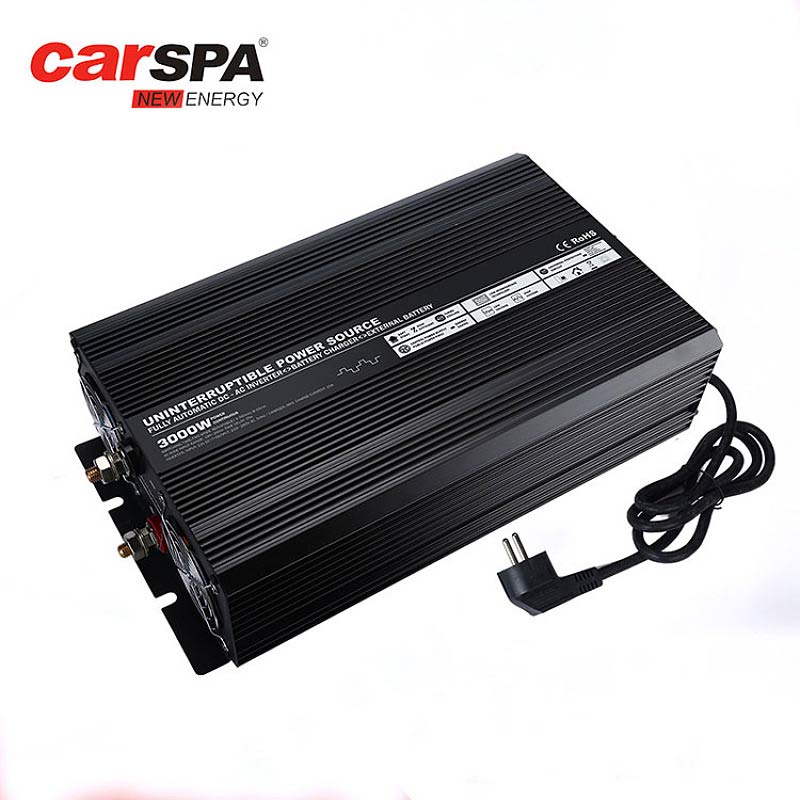
Is a 1000W Power Inverter the Best Fit for Your Off-Grid Solar System?
As the demand for reliable and independent power solutions grows, especially in remote and off-grid areas, the 1000W power inverter has emerged as a go-to component for small to mid-scale solar energy systems. Compact yet powerful, this inverter size strikes the perfect balance between energy output and portability—making it ideal for applications that require stable AC power in locations where the grid is unreliable or unavailable.
A 1000W power inverter plays a crucial role in converting stored DC energy from solar batteries into usable AC electricity for daily operations. From lighting and communication systems to small appliances and emergency tools, this inverter capacity is well-suited to cover essential needs without the overhead of larger, industrial-grade setups.
This article explores the key considerations when choosing a 1000W power inverter for solar off-grid systems, including its benefits, capabilities, and what to look for to ensure long-term performance and efficiency. Whether you’re upgrading an existing setup or planning a new solar deployment, understanding the role of a 1000W inverter is critical to making informed and cost-effective decisions.

What Makes a 1000W Power Inverter Ideal for Solar Off-Grid Applications?
When setting up a solar off-grid system, one of the most critical decisions is selecting the right inverter to convert DC from batteries into usable AC power. A 1000W power inverter stands out as a versatile solution for compact systems that demand both reliability and efficiency—without overbuilding.
Balanced Power for Essential Loads
A 1000-watt capacity is sufficient to run essential devices such as LED lighting, mobile phone chargers, small water pumps, laptops, routers, fans, and even energy-efficient refrigerators. In many rural or mobile setups, this power range covers 80–90% of the typical daily usage. For businesses operating in agriculture, telecommunications, or field-based services, this offers just the right amount of power without unnecessary energy losses.
Perfect Fit for 12V and 24V Battery Systems
Most 1000W inverters are designed to work seamlessly with 12V or 24V solar battery banks, making them a popular choice for modular systems. This compatibility allows for easier system scaling and simplifies replacement or maintenance. Whether the solar system is designed for mobile trailers or permanent installations, this inverter size adapts well to both configurations.
Cost-Efficient for Entry-Level Off-Grid Projects
Compared to higher-capacity inverters, a 1000W inverter is more cost-effective—both in terms of upfront investment and energy efficiency. This makes it ideal for small-scale commercial setups or pilot solar projects that require dependable performance without heavy capital expenditure.
In short, the 1000W power inverter offers a sweet spot between power delivery, flexibility, and affordability—making it a prime candidate for businesses transitioning toward renewable energy solutions in off-grid environments.

How Does a 1000W Inverter Enhance Energy Efficiency and System Stability?
Beyond simply converting power, a well-designed 1000W power inverter plays a key role in ensuring your off-grid system remains stable, efficient, and resilient under varying load and environmental conditions. For commercial users, these attributes directly translate to cost savings and improved operational continuity.
Pure Sine Wave Output for Sensitive Equipment
Many 1000W inverters are equipped with pure sine wave technology, delivering cleaner and more stable electricity that mimics the quality of grid power. This is particularly important for sensitive devices such as communication equipment, digital tools, and medical appliances, which require steady voltage and frequency to avoid malfunction or damage.
Lower Standby Power Consumption
Efficiency matters most when every watt counts. High-quality 1000W inverters are designed with low idle current draw, meaning they consume minimal energy when not actively powering devices. This conserves battery life and improves overall system performance, especially in solar systems with limited storage capacity.
Automatic Protection Features
Inverters in this category often come with integrated protection mechanisms, including overload shutdown, short-circuit protection, over-voltage and under-voltage cutoffs, and temperature control. These features reduce the risk of component failure, extend equipment lifespan, and minimize maintenance costs in field operations.
Stable Performance under Varying Loads
A reliable 1000W inverter maintains consistent output even during minor power surges or fluctuating input from solar panels. This ensures smooth operation of connected loads without flickering, tripping, or overheating—an essential requirement in business-critical applications like irrigation control, remote monitoring stations, or mobile workstations.
In essence, the right inverter doesn't just power your system—it protects it. When configured correctly, a 1000W inverter boosts both energy efficiency and long-term stability, giving users peace of mind in unpredictable conditions.
What Should You Consider When Selecting a 1000W Power Inverter for Solar Use?
Not all 1000W power inverters are created equal. To ensure long-term reliability and optimal performance in solar off-grid systems, it’s important to evaluate several key features before making a purchasing decision. These considerations go beyond basic power rating—they reflect real-world operational needs.
Input Voltage Compatibility
Most 1000W inverters are built for either 12V or 24V battery systems. Choosing the right one depends on your battery configuration and the total energy demand of your application. A mismatch could lead to inefficient power conversion or even damage to the inverter and batteries. For example, a 24V system often provides better efficiency for longer cable runs or when using high-current loads.
Thermal Management and Cooling Design
Inverters generate heat during operation, especially under continuous load. Look for models with intelligent fan control, heat sinks, or even dual-fan active cooling systems. Efficient thermal management ensures safe performance in high-temperature environments and extends the device’s operational life, particularly in dusty or poorly ventilated locations.
Installation and Mounting Options
A practical inverter should offer flexible installation—whether wall-mounted in a control room or fixed in a mobile solar trailer. Pay attention to size, mounting brackets, and whether the terminal design supports quick connections. A compact, rugged enclosure is also beneficial in tight or exposed spaces.
User Interface and Monitoring Capability
Some 1000W inverters include LCD screens or LED indicators for real-time status updates, fault codes, and performance metrics. Others may offer remote monitoring via RS485 or Bluetooth, which can be valuable for off-site maintenance and diagnostics, especially in large-scale or distributed solar systems.
Build Quality and Durability
Housing materials, internal circuitry protection, and PCB coating (to prevent corrosion or dust damage) are often overlooked but critical. High-grade components result in fewer breakdowns and higher ROI over time. Look for models that meet industrial standards and come with at least a 1- to 2-year warranty.
In short, choosing the right 1000W power inverter involves aligning your technical requirements with the inverter’s design features. A thoughtful selection process ensures that your system remains efficient, safe, and adaptable to changing energy needs.
Can a 1000W Power Inverter Handle Multiple Loads Simultaneously?
A frequent question in solar off-grid planning is whether a 1000W power inverter can reliably support multiple devices running at the same time. The short answer is yes—but with careful planning and load prioritization. Understanding how this works is key to maximizing system uptime and efficiency.
Understanding Rated vs. Peak Power
A 1000W inverter typically refers to its continuous rated power—the amount of power it can deliver constantly without overheating. However, most quality inverters also offer a surge rating of 2000W or more, allowing them to handle short bursts of high current, such as when a refrigerator compressor starts or a pump motor kicks in. This gives users flexibility to operate multiple loads that may start at different times without overloading the system.
Strategic Load Management
To use the inverter effectively, it’s important to calculate the total wattage of all connected devices and schedule usage accordingly. For instance, running a fan, LED lights, and a laptop together may use only 300–500W, leaving headroom for occasional spikes. However, turning on a power tool or a small pump simultaneously may exceed the limit unless carefully staggered or controlled.
Compatibility with Solar System Components
When integrated with smart solar charge controllers and battery management systems, many 1000W inverters can communicate with other devices to optimize load distribution. This coordination enables timed shutdowns or delayed startups of non-essential devices, ensuring continuous operation of critical ones.
Expandable Design in Larger Systems
Some 1000W inverters support parallel operation, allowing two or more units to work together to increase total output. While this is more common in larger installations, it offers scalability for users whose energy needs may grow over time. Additionally, using dedicated AC outlets or load priority switches can help manage simultaneous use without risking system shutdowns.
In essence, a 1000W inverter is fully capable of powering multiple loads, provided that users understand their system’s limits and apply thoughtful load scheduling. With proper design, it can serve as a reliable core for powering business-critical tools and appliances off-grid.
How Do You Ensure Long-Term Reliability in Harsh Operating Conditions?
In remote or outdoor installations, 1000W power inverters are often exposed to high temperatures, dust, humidity, and voltage fluctuations. For businesses relying on uninterrupted power, choosing an inverter that can perform reliably under such conditions is crucial. Here's what to look for:
Durable Enclosure and Heat Protection
A rugged exterior is more than cosmetic—it shields internal components from moisture, dust, and mechanical shocks. Look for enclosures made from aluminum alloy or coated steel with integrated heat sinks. Models with IP-rated protection (e.g., IP21 or higher) are more resistant to environmental stress and better suited for semi-exposed or industrial settings.
Thermal performance is equally important. A good inverter should include intelligent cooling systems—such as variable-speed fans or thermal sensors—to prevent overheating during extended use. Inverters that can operate in ambient temperatures up to 50°C without derating are ideal for Middle Eastern and southern European climates.
Advanced Electronic Protection Systems
Built-in safeguards like over-voltage, under-voltage, overload, short-circuit, and reverse polarity protection help maintain inverter stability and prevent damage to both the inverter and connected devices. Some models even feature auto-restart capabilities after a fault or battery recovery, reducing manual intervention.
Certifications and Compliance
Third-party certifications are a strong indicator of quality. Look for compliance with CE, RoHS, or ISO 9001 standards to ensure the inverter meets international safety and manufacturing requirements. For certain applications, electromagnetic compatibility (EMC) certifications may also be important.
Ease of Maintenance and Diagnostics
In remote setups, ease of troubleshooting can make a major difference. Inverters that offer status indicators, fault code displays, or even remote monitoring via apps or data ports (RS232/RS485/Bluetooth) significantly reduce downtime. Replaceable internal fuses or modular PCB designs also simplify repair and maintenance processes.
By choosing a well-built inverter with industrial-grade protections and certifications, users can count on reliable performance—even in the most demanding environments. This ensures system stability, reduces service costs, and extends the useful life of the entire solar power setup.

Conclusion
A 1000W power inverter offers an exceptional blend of efficiency, reliability, and adaptability—especially for solar off-grid systems where stability and size matter. Whether you're powering mission-critical tools in the field or setting up energy-independent infrastructure, this inverter size provides ample capacity for essential loads while keeping the system cost-effective and manageable.
By paying attention to features such as sine wave quality, protection mechanisms, compatibility with 12V/24V systems, and rugged construction, businesses can confidently invest in a solution that performs consistently even under challenging environmental conditions. Choosing the right inverter is not just about power output—it’s about long-term resilience, system synergy, and operational peace of mind.
For those looking to integrate high-quality 1000W power inverters into their solar solutions, CARSPA offers a reliable range of inverters built to meet professional standards and real-world demands.