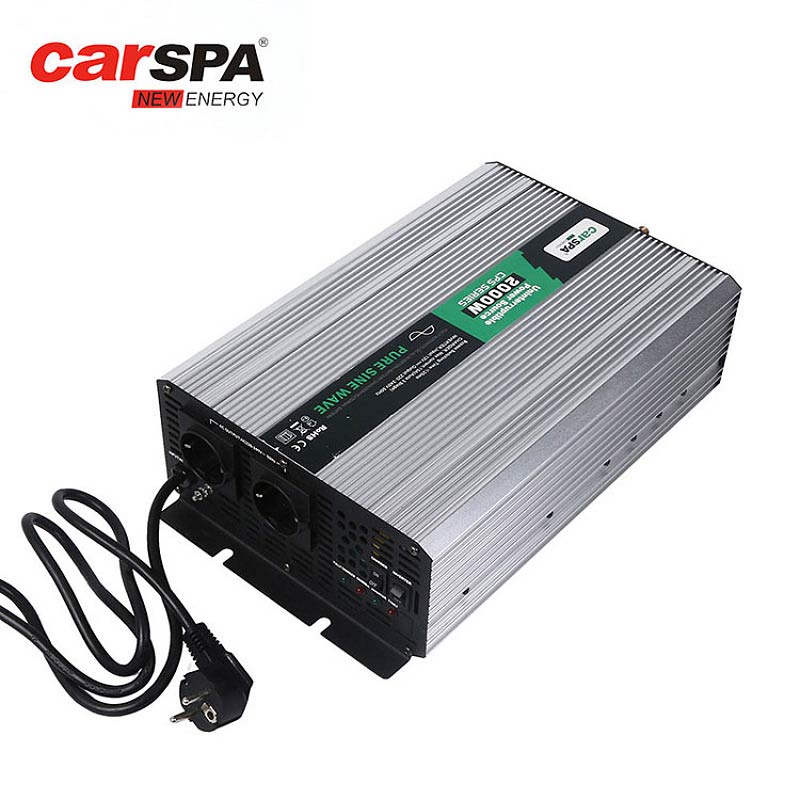
How a 1000W Power Inverter Supports Outdoor Power Needs Efficiently
Is a 1000W Power Inverter the Key to Efficient Outdoor Power Solutions?
From powering a remote work setup in a camper van to keeping lights and essential equipment running at an off-grid cabin, reliable portable energy is more important than ever. A 1000W power inverter has emerged as a versatile and efficient solution for outdoor power demands. It converts DC power from batteries or solar panels into usable AC power, enabling you to operate laptops, fans, fridges, and more—even in the most remote environments. But how do you know if it’s the right size for your needs? What should you look for in a model designed for outdoor conditions?
In this article, we explore the capabilities, selection criteria, installation tips, and brand considerations for making the most out of your 1000W inverter in outdoor applications.
How Can a 1000W Power Inverter Transform Your Outdoor Experience?
Outdoor energy demands have changed dramatically in the past decade. It’s no longer just about flashlights and campfires. Today’s adventurers, off-grid technicians, and outdoor professionals require dependable access to AC power for a wide variety of electronic devices and equipment. This is where a 1000W power inverter proves invaluable. It acts as a reliable bridge between 12V or 24V DC battery systems—common in cars, trucks, boats, and solar setups—and the standard 220V or 230V AC power that most electronics require.

▍Powering a Modern Mobile Lifestyle
With the rise of remote work, mobile photography, and solar-powered campsites, many users now carry laptops, digital cameras, LED projectors, and even Wi-Fi routers into remote locations. A 1000W inverter easily handles the continuous load for all of these, offering freedom from traditional power sources. Whether you’re charging camera batteries in the wilderness or running a workstation out of your van, the inverter ensures that your workflow remains uninterrupted.
▍Suitable for Emergency and Backup Situations
Unexpected power outages during road trips, construction tasks, or field operations can disrupt mission-critical activities. A 1000W inverter can provide immediate emergency AC power to medical devices (like CPAP machines), communication tools (two-way radios or satellite phones), and even small lighting systems—making it not just a convenience but a lifeline.
▍Perfect Match for Solar-Based Setups
In solar off-grid applications, inverters play a central role in making solar energy usable. A 1000W model is ideal for small to medium solar systems, offering enough power for essential loads while remaining energy-efficient. It helps convert stored energy from batteries into usable AC output, making it a must-have in eco-friendly camping sites, sustainable mobile kiosks, and self-sufficient cabins.
▍Advantages of Portability and Silent Operation
Compared to gas generators, a 1000W inverter is compact, lightweight, and silent. There’s no fuel, no emissions, and no noise—an important consideration for wildlife areas, national parks, or anywhere noise pollution is a concern. Users benefit from a clean, reliable power source that runs quietly in the background.
In summary, whether you're deep in the desert, high in the mountains, or simply spending a weekend by the lake, a 1000W power inverter expands your power possibilities—supporting devices that make modern outdoor living more productive, connected, and comfortable.

What Should You Look for in a 1000W Power Inverter for Outdoor Use?
Not all 1000W power inverters are created equal. While the wattage gives a rough idea of the output capacity, the real-world performance, safety, and durability of an inverter depend on a range of technical features and build quality. For outdoor users—especially those in unpredictable environments—these factors become mission-critical.
▍Pure Sine Wave vs. Modified Sine Wave Output
This is the first and most important decision point. Pure sine wave inverters produce a clean, smooth waveform that closely mimics grid electricity. They are essential for running sensitive devices like audio amplifiers, LED TVs, medical equipment, or digital control units, which can malfunction or overheat when powered by a modified sine wave inverter.
Modified sine wave inverters, while cheaper, often cause buzzing in speakers or poor performance in precision electronics. For professional outdoor operations, the extra investment in a pure sine wave model is well justified.
▍Comprehensive Protection Systems
Outdoor conditions can be harsh and unpredictable—temperature fluctuations, dust, moisture, and voltage instability are common. A good inverter should include the following protections:
Overload Protection: Automatically shuts down the inverter if the power draw exceeds its safe capacity.
Low/High Voltage Cutoff: Prevents battery damage or unsafe output in case of voltage fluctuations.
Overheat Protection: High-efficiency cooling fans or thermal management systems are critical, especially in hot climates.
Short Circuit Protection: Essential for preventing irreversible damage during sudden faults.
▍Build Quality and Durability
Look for models with anodized aluminum housings, sealed PCBs, and corrosion-resistant terminals. These features extend the lifespan of the inverter and make it more suitable for mobile, marine, or rugged use. Also consider IP-rated units if the inverter will be exposed to water splashes or dust storms.
▍Display and Monitoring Features
A digital screen that shows input voltage, output wattage, battery level, or error codes helps users quickly diagnose issues on the go. Some advanced models even offer remote monitoring via Bluetooth or mobile apps, which can be invaluable during longer trips or for managing solar-based setups remotely.
▍Compatibility with Input Power Systems
For 12V battery setups (common in cars or RVs), ensure the inverter is rated specifically for 12V DC input. Likewise, 24V inverters must not be connected to a 12V system. Choose a model with wide input range support (e.g., 10.5V to 15V for 12V systems) to account for normal battery voltage variation during charging or discharging.
In essence, when selecting a 1000W power inverter for outdoor use, prioritize not just wattage—but waveform quality, protection systems, build strength, and usability features. A well-chosen inverter delivers not just power, but peace of mind in the most demanding environments.
Is a 1000W Power Inverter Sufficient for Your Outdoor Power Needs?
One of the most common questions for outdoor power users is: “Is 1000 watts really enough?” The answer depends entirely on what devices you plan to run, how long you need to use them, and whether they require surge support during startup. While a 1000W power inverter may seem modest in size, its capability is often underestimated—especially when used correctly.
▍Common Devices Easily Handled by a 1000W Inverter
This inverter size can support a broad range of outdoor essentials:
Laptops & tablets: Typically use 60W–100W
Smartphones, cameras, and power banks: 10W–50W for charging
LED lighting: 5W–30W per bulb—ideal for campsites or night work areas
Mini coolers or electric iceboxes: 45W–75W, depending on the brand
TVs or small monitors: 100W–200W
Small water pumps or ventilation fans: 50W–300W
When running 2–3 of these devices at once, a well-designed inverter with efficient load management will still perform reliably.
▍Understanding Continuous vs. Peak Power
A good quality inverter typically advertises two wattages:
Continuous Power (Rated): This is the maximum it can supply non-stop—e.g., 1000W.
Peak or Surge Power: Temporary boost to handle startup spikes of motors or compressors—often 2000W or more.
If you’re powering tools like drills, blenders, or small compressors, make sure their startup draw doesn’t exceed this surge capacity. Even if the running wattage seems within limits, startup spikes can trip the inverter if surge capacity is too low.
▍Know What It Cannot Handle
Some devices are simply too demanding for a 1000W inverter:
Electric kettles & coffee makers: Typically 1200W–1500W
Hairdryers & microwave ovens: Often 1300W–2000W
High-power induction cookers or air conditioners: Exceed 1000W by far
Using such appliances on a 1000W inverter may cause overheating, tripping, or even permanent damage.
▍How to Extend Runtime and Avoid Overload
Use devices in rotation rather than all at once. For example, charge laptops first, then power the cooler. Pair the inverter with a large enough battery bank (e.g., 100Ah–200Ah) and consider adding solar recharge capability if you expect long sessions off-grid. You can also install a battery monitor or load indicator to keep track of remaining power.
▍Right Power, Right Expectation
In the right hands and for the right applications, a 1000W inverter is incredibly efficient and compact. It may not be suited for high-heat appliances or multi-user workstations, but it’s perfectly designed for powering electronics, mobile offices, lighting, and light-duty equipment in outdoor or mobile conditions.
How to Install and Maintain a 1000W Power Inverter in Outdoor Setups?

Even the best power inverter will fail to deliver optimal performance if it’s not installed or maintained correctly. Especially in outdoor settings—where exposure to vibration, temperature changes, and moisture is common—installation quality and routine maintenance are essential to protect your investment and extend the inverter’s lifespan.
▍Choose a Safe and Ventilated Location
First, location matters. Avoid placing the inverter in sealed containers, direct sunlight, or near water sources. Outdoor use often means installation inside vehicle compartments, tents, mobile cabinets, or under-seat housings.
Ensure there is at least 5–10 cm of space around the unit for proper airflow.
Avoid damp or dusty areas unless the unit is IP-rated.
If installing in an RV or van, choose vibration-resistant mounting surfaces and use shock-absorbing pads.
▍Proper Cable Sizing and Connection
Voltage drop and overheating are common issues caused by undersized cables. For a 1000W inverter running at 12V, currents can reach 80–90 amps, so use:
At least 4 AWG copper cables for short runs (under 1.5 meters)
Include inline fuses or circuit breakers between the battery and inverter to prevent damage from accidental short circuits
Ensure all connections are tightly crimped and insulated to prevent arcing, especially in mobile applications
▍Battery Pairing and Load Planning
Your inverter’s efficiency and runtime depend directly on the battery setup. For outdoor use:
Pair the inverter with deep-cycle batteries (AGM, gel, or LiFePO₄) of at least 100Ah for general use
If using solar, install a charge controller to regulate current and prevent overcharging
Never allow battery voltage to drop below 10.5V (for 12V systems), as this shortens battery life and may trigger inverter shutdown
▍Routine Maintenance Tips
To ensure long-term reliability, especially in outdoor or semi-permanent installations:
Clean the vents regularly to avoid dust buildup—compressed air is effective
Check cable terminals every few weeks for signs of oxidation or looseness
If the inverter has a built-in fan, listen for unusual noise—it may indicate a blocked vent or fan failure
For units with displays or alarms, monitor voltage readings, load usage, and error codes routinely
▍Field Troubleshooting Essentials
In outdoor or off-grid environments, you may not have easy access to support. Prepare by:
Carrying a spare fuse, small voltage tester, and multimeter
Keeping a quick-start guide or manual in your vehicle or toolkit
Labeling cables clearly to avoid misconnection during transport or setup
With proper installation and upkeep, your 1000W power inverter can deliver years of reliable service—even in the most demanding outdoor conditions. Whether mounted on a utility vehicle or stored as part of a mobile solar kit, thoughtful handling can prevent failure at critical moments.
What Makes a Reliable Brand for Outdoor Power Inverters?
In outdoor environments—where power supply must be dependable, efficient, and safe—the brand behind your 1000W power inverter matters just as much as the technical specs. A reliable manufacturer doesn’t just offer a product—it provides tested performance, real-world feedback, long-term service, and peace of mind under pressure.
▍Certifications That Reflect Global Standards
A professional-grade inverter should come with international safety and performance certifications. When selecting a brand, check for:
CE (European Conformity): Indicates the inverter meets safety, health, and environmental protection standards for Europe
RoHS (Restriction of Hazardous Substances): Ensures safe material usage, crucial for environmental reliability
ISO 9001: Reflects the manufacturer's quality management system and consistency in production
Some high-end models may also carry E-mark, FCC, or TÜV certifications for automotive or industrial use
These standards are especially important for government procurement projects, industrial deployments, or long-term commercial use.
▍Proven Outdoor Performance and Field Testing
Choose brands that specialize in mobile or off-grid applications, with products tested in demanding real-world scenarios. Trustworthy brands will often:
Provide outdoor usage case studies or deployment photos
Highlight features like corrosion resistance, thermal stability, and shock protection
Offer models specifically built for vehicles, boats, solar trailers, and remote cabins
A brand with clear focus on outdoor reliability is far more likely to produce inverters that withstand vibration, temperature swings, and irregular loads.
▍Transparent Product Documentation
Reliable manufacturers equip users with the tools to succeed:
Detailed user manuals, connection diagrams, and installation guidelines
Load calculation sheets or recommended battery pairings
Clearly published surge vs. continuous power ratings, input/output tolerances, and fan behavior under load
If a brand skimps on documentation or uses vague specifications, it’s a red flag—especially for commercial and outdoor users who need certainty in the field.
▍Responsive Support and After-Sales Service
Breakdowns or confusion during installation can cost valuable time in outdoor operations. A good brand offers:
Quick-response email or phone support
Warranty coverage of at least 12 months
Easy access to replacement parts, including remote control modules, cables, and fuses
Online knowledge bases or FAQ libraries in multiple languages
Having access to reliable support ensures that small issues don’t turn into big failures during a field deployment.
▍Recognition by Professionals and Installers
Finally, choose a brand recognized by professional electricians, solar installers, or fleet operators. Real-world feedback often carries more weight than marketing claims. Look for reviews that mention:
Stability under continuous load
Accurate power ratings under field conditions
Ease of installation in RVs, trucks, or mobile units
Low noise and heat output, which matter greatly in enclosed outdoor setups
Conclusion
Inverter performance is not just about technical specs—it’s about how well the product holds up in real-world outdoor use. Choosing a 1000W inverter from a reputable manufacturer ensures reliable power delivery in off-grid, mobile, and emergency settings. Look beyond the price tag and evaluate certification, durability, support, and feedback.
For trusted solutions in outdoor power delivery, CARSPA offers a complete line of 1000W pure sine wave inverters and off-grid energy products, backed by years of industry expertise and international compliance standards.