
1000 Watt Power Inverter Guide: Top 5 Questions Answered
In a world where reliable mobile and off-grid power is increasingly critical, the 1000 watt power inverter has emerged as a go-to solution for professionals seeking flexible and efficient AC power on demand. Whether deployed in a service van, an off-grid solar system, or a field repair kit, this inverter class strikes the perfect balance between power capacity, portability, and safety features.
Across industries in Europe and the Middle East, engineers, installers, and mobile technicians rely on 1000W inverters to keep essential equipment running—from laptops and routers to lighting systems and small tools. But choosing the right inverter isn't just about wattage—it's about waveform, protection mechanisms, and system compatibility.
In this guide, we explore five critical questions every buyer should ask before investing in a 1000 watt power inverter. By the end, you'll have a clear understanding of its capabilities, applications, and how it fits into more complex power systems.
What Is a 1000 Watt Power Inverter and When Should You Use It?
A 1000 watt power inverter is a vital piece of equipment that converts direct current (DC) power—typically from a 12V or 24V battery—into alternating current (AC), which can then be used to operate standard electrical devices. This wattage level strikes a balance between compact size and moderate power output, making it suitable for professional use in mobile, remote, or backup power scenarios. Its portability and versatility allow it to serve both stationary and vehicle-based power systems.

When to use it:
This inverter is ideal for applications where moderate AC power is needed but grid electricity is unavailable or unreliable. In the Middle East, it's frequently deployed in desert-based construction, oil exploration, or agricultural automation setups. In European markets, it's used in mobile service vans, telecommunication towers, and off-grid field stations.
Moreover, it serves as a reliable power source in solar energy systems, enabling the use of AC appliances in cabins or backup setups. In disaster response or emergency preparedness kits, a 1000W inverter can maintain communications, lighting, and basic electronics when the main grid fails. For professionals who frequently work on the move—such as maintenance teams, audiovisual installers, or field engineers—it provides the essential flexibility to operate tools and instruments anywhere.
This inverter size also helps maintain energy efficiency, minimizing power loss compared to oversizing, while remaining capable enough to run several devices simultaneously if the total load is well managed.

What Types of Devices Can a 1000 Watt Inverter Safely Power?
A 1000 watt inverter can power a wide range of devices, but understanding load types and consumption patterns is critical to avoid system failure. Not all 1000W-rated appliances can be run simultaneously, and the nature of the device—resistive or inductive—significantly affects its compatibility with the inverter.
Resistive loads such as LED lights, heating pads, and electric kettles are generally straightforward. These devices draw a constant current and do not produce surges. For instance, a combination of a 60W LED floodlight, a 150W laptop, and a 90W television would total only around 300W, leaving ample margin for safe operation.
Inductive loads, such as motors or compressors, present a bigger challenge. These include power tools, water pumps, and even some high-performance fans, which can draw 2–3 times their rated power at startup due to inrush current. A 500W drill might spike to 1200W momentarily—exceeding a 1000W inverter's continuous limit but still manageable if the inverter supports peak surge handling (typically 2000W for a well-designed unit).
Here's a rough guide of what can be safely powered:
YES: Mobile phone chargers, laptops, routers, LED lamps, electric shavers, handheld vacuum cleaners, DVD players.
CONDITIONAL: Soldering irons, mini fridges, sewing machines—only if startup wattage is accounted for.
NO: Air conditioners, microwave ovens, welding machines, and high-power freezers. These require higher wattage and longer surge durations than a 1000W inverter can sustain.
It's also important to monitor cumulative load. If multiple small devices are connected simultaneously, their total draw should not exceed about 85–90% of the inverter's rated capacity to preserve long-term reliability and avoid thermal shutdowns.
For field professionals in telecom, automotive service, or agriculture, pairing the inverter with a wattage meter or real-time load monitor helps prevent overload and maintain system safety during operation.
How Do You Choose Between Pure Sine Wave and Modified Sine Wave Inverters?
Choosing between pure sine wave and modified sine wave inverters is one of the most critical decisions when selecting a 1000 watt power inverter—especially in commercial and professional settings. The waveform directly affects performance, compatibility, and the safety of connected devices.
Pure sine wave inverters produce a smooth, consistent voltage that closely replicates utility grid power. They are recommended for:
Sensitive electronics like laptops, medical devices, and scientific instruments
Digital equipment such as printers, CNC controllers, and variable speed motors
Audio and video gear, where electrical noise from modified waveforms can cause interference
Industrial automation systems, where precise voltage control is essential
For businesses operating in Europe, especially in sectors like renewable energy, mobile healthcare, or audiovisual engineering, the stability and precision of pure sine wave output are often non-negotiable. In the Middle East, where many installations occur in off-grid or harsh environments, pure sine inverters reduce the risk of device damage and ensure stable output for longer durations.
Modified sine wave inverters, on the other hand, are a budget-friendly option that deliver a stepped approximation of AC power. They are suitable for:
Basic resistive loads, such as incandescent lights and older appliances
Occasional use, where noise or heat buildup is not a concern
Applications with no sensitive electronics, such as fan-only ventilation systems or tool batteries
However, modified sine wave inverters may:
Cause buzzing or overheating in some devices
Reduce efficiency of inductive motors
Lead to inaccurate readings on electronic meters
As a general rule, if your operations involve frequent or long-term use of AC tools and equipment, particularly those with circuit boards or variable load behavior, investing in a pure sine wave inverter is the safer and more professional choice—even if initial cost is higher. For heavy-duty daily users, the long-term return in equipment protection and energy stability is significant.
How Can You Ensure Safety and Longevity in Operation?
Ensuring the safe and reliable operation of a 1000 watt power inverter goes far beyond plugging it in and switching it on. For professional users—especially those in mobile service fleets, field engineering, or solar-powered installations—long-term performance depends heavily on safety mechanisms and best-practice installation.
Key safety features to look for:
Overload protection: Automatically shuts the inverter down if power draw exceeds 1000W, preventing overheating or fire risk.
Short-circuit protection: Disconnects output when a fault is detected, protecting both the inverter and connected devices.
Low voltage shutdown: Prevents over-discharge of connected batteries, especially important in solar or backup systems.
Thermal protection: Sensors detect rising temperatures and activate cooling fans or initiate shutdown.
Reverse polarity protection: Prevents damage if battery connections are accidentally reversed—a common risk in mobile installations.
Installation best practices:
Location matters: The inverter should be installed in a well-ventilated, dry area, away from direct sunlight or combustible materials. For vehicles, under-seat or wall-mounting with vibration dampening brackets is ideal.
Cable sizing: Use thick, short DC cables (preferably 4 AWG or 6 mm²) to reduce voltage drop and prevent overheating. Incorrect cable gauge is a leading cause of inefficiency and heat buildup.
Proper grounding: Reduces electrical noise and enhances safety, particularly important for medical, audio, or communication equipment.
Fusing and breakers: DC input lines should always include an inline fuse or circuit breaker rated slightly above the inverter's peak current.
User practices that improve inverter longevity:
Avoid continuous operation at 100% load—aim for 80–85% capacity in regular use.
Allow the inverter to cool down between sessions, especially in high-temperature environments.
Regularly inspect terminals and connections for corrosion or loosening, particularly in marine or desert climates.
Use external wattage meters or battery monitors to track load behavior and catch issues early.
For B2B operations in demanding environments like construction sites or renewable power systems, these practices not only extend inverter lifespan but also reduce downtime and maintenance costs—critical for operational continuity.
How Does a 1000W Inverter Fit into Larger Power Systems?
While a 1000 watt inverter may seem modest in isolation, it often plays a critical supporting role in broader electrical systems, especially in hybrid or modular setups where scalability and targeted load handling are essential. In both Europe and the Middle East, professionals in solar, telecom, and fleet management sectors increasingly integrate 1000W inverters into larger infrastructure to improve system flexibility and redundancy.
Common integration scenarios:
Off-grid solar power systems: A 1000W pure sine wave inverter is often paired with solar charge controllers (MPPT or PWM), deep-cycle batteries, and panel arrays to form a complete DC-to-AC power chain for rural sites, agriculture pumps, or security stations.
Fleet and mobile units: Utility vans, fire rescue vehicles, and telecom maintenance trucks use 1000W inverters for onboard AC power—powering lights, testing instruments, or communications equipment independently of vehicle engines.
Backup power frameworks: In offices, remote warehouses, or medical labs, this inverter size can support essential equipment (e.g., routers, cash registers, portable fridges) during outages as part of a distributed UPS (Uninterruptible Power Supply) strategy.
Parallel operation with other inverters: Some industrial-grade 1000W inverters support stacking or parallel operation—allowing integration into multi-inverter arrays that adapt to dynamic loads or shift operational responsibilities across units.
Key integration considerations:
Battery compatibility: Ensure voltage match (12V or 24V) and chemistry support (AGM, lithium, gel) for consistent performance.
DC bus design: For systems using multiple inverters or shared battery banks, using a common DC bus helps stabilize power delivery and simplifies system maintenance.
Load segmentation: Use the 1000W inverter for critical or clean loads, while larger, noisier inverters handle high-power tools or HVAC systems.
This modular approach allows for flexibility, redundancy, and energy optimization, especially in regions with frequent power interruptions or unstable grid conditions. It also simplifies maintenance and scaling, allowing businesses to expand their power infrastructure gradually, while ensuring each part of the system performs a specific, well-managed role.
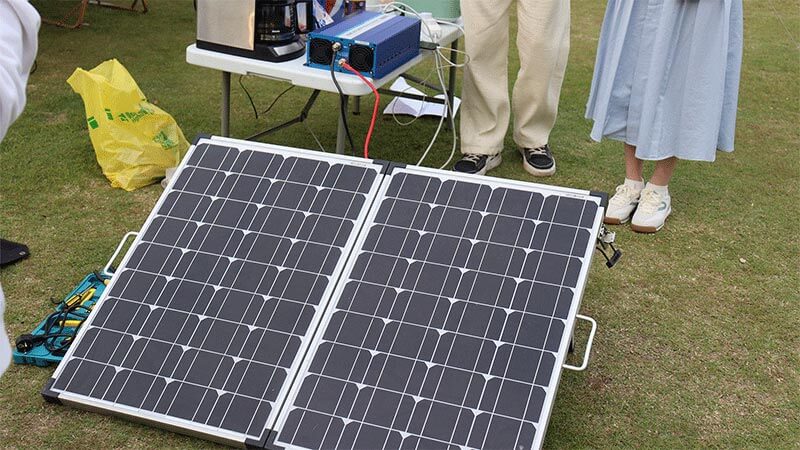
Conclusion: Why a 1000W Inverter Is the Smart Choice for Scalable Power
For engineers, fleet operators, and energy professionals across Europe and the Middle East, a 1000 watt power inverter represents the ideal fusion of portability, reliability, and functional versatility. It delivers sufficient AC power for essential tools and electronics, integrates smoothly into solar or vehicle-mounted systems, and offers high return on investment due to its low maintenance demands and energy efficiency.
Whether used as a standalone power source for mobile teams or as part of a broader hybrid power network, a 1000W inverter allows operations to remain agile and cost-effective. For tasks ranging from off-grid automation to urban service logistics, this power class is a practical and scalable solution.
CARSPA, a trusted manufacturer of power inverters and renewable energy products, offers professionally engineered 1000W pure sine wave inverters that meet rigorous performance and protection standards. Their designs are well-suited for both mobile professionals and fixed installations where dependable AC power is essential.


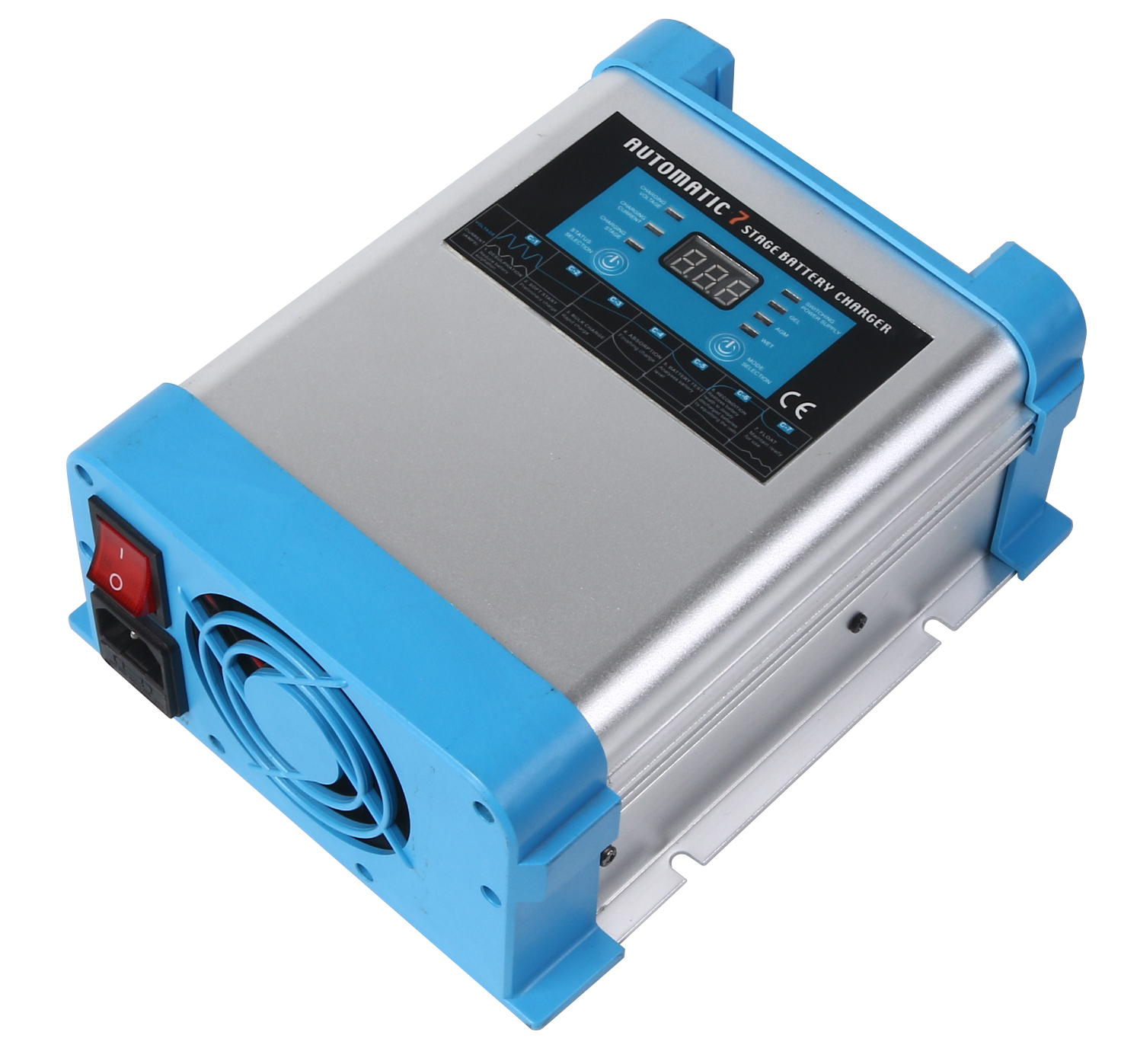
.jpg)


.jpg)
.jpg)
.jpg)
.jpg)
.jpg)