
Power Inverter for RV: What You Need to Know Before You Buy
For RV owners who value freedom and off-grid living, having a reliable power inverter isn't just a convenience—it's essential. Whether you're heading into the mountains of Europe or exploring remote deserts in the Middle East, a good power inverter ensures your onboard appliances keep running smoothly. But with so many options available, how do you choose the right one? This guide answers the most common questions RV users have about power inverters, helping you make informed decisions for a more self-sufficient life on the road.
What Is a Power Inverter and Why Is It Essential for RV Living?
Understanding the Basics of a Power Inverter
A power inverter plays a foundational role in every RV's energy system, particularly for those who prioritize mobility and off-grid freedom. In simple terms, it transforms 12V or 24V DC power—which is stored in your RV's batteries—into 230V AC power, which is compatible with most household appliances. This allows you to operate anything from a smartphone charger to a full-size microwave, even when you're miles away from the nearest power outlet.
Power inverters come in various capacities and types, but their core function remains the same: making RV life more comfortable and self-sufficient. Whether you're driving across European coastlines or camping in the deserts of the Middle East, having AC power available at all times is a game-changer. For digital nomads, families, or adventure seekers, an inverter ensures that working remotely, preparing meals, or even watching movies becomes possible, no matter where the journey takes you.

Benefits for Off-Grid and On-the-Road RV Use
One of the main advantages of a power inverter is the ability to stay powered up without relying on a campsite or grid connection. This makes it ideal for boondocking, wild camping, or long-distance travel across regions with limited infrastructure. Whether you want to brew a cup of coffee at sunrise, charge your drone batteries, or keep your medical equipment running—your inverter becomes your unseen lifeline.
Moreover, many modern inverters are compatible with solar panels, allowing you to harvest solar energy during the day and use it efficiently through the night. This not only reduces reliance on fuel or noisy generators but also makes your entire setup more sustainable and cost-effective in the long term.
How Do You Choose the Right Power Inverter for Your RV?
Consider Your Power Needs First
Choosing the right power inverter begins with understanding how much energy you consume on a typical day in your RV. List all the devices you regularly use—such as a laptop (60W), portable fridge (100W), coffee maker (1000W), or microwave (800–1200W)—and sum up their running wattage. If you plan to use multiple devices at the same time, you'll need an inverter that can support the total load simultaneously.
As a general rule, it's wise to choose an inverter rated about 20-30% higher than your calculated needs. This buffer accounts for unexpected surges or additional devices added later. For instance, if your estimated need is 1200W, opt for a 1500W inverter to maintain stable operation and avoid overload issues. Also consider how long you intend to use each device; continuous loads demand more from both the inverter and your battery system.
Modified Sine Wave vs. Pure Sine Wave
There are two main types of inverters used in RVs: modified sine wave and pure sine wave. Modified sine wave inverters are more affordable and suitable for simple resistive loads like lights or electric kettles. However, they may produce distorted signals that can damage sensitive electronics or cause motors to run inefficiently.
In contrast, pure sine wave inverters offer clean, stable power that replicates utility electricity. This makes them the best choice for RVers who use laptops, gaming consoles, CPAP machines, or kitchen appliances with digital displays. Though slightly more expensive, they offer greater reliability, reduced noise, and improved energy efficiency—particularly important for long-term or full-time RV users.
Recommended Power Inverter Sizes Based on RV Usage
Light Use (Weekend Trips)
For casual RVers using basic electronics like phone chargers, fans, and LED lights, a 300W to 600W inverter is typically sufficient. These units are compact and easy to install, offering a cost-effective way to access essential power without overbuilding your system.
Moderate Use (Remote Work & Daily Needs)
Those who work on the road or cook frequently in their RVs should consider a 1000W to 1500W inverter. This size can comfortably power laptops, a coffee machine, a small microwave, or a mini fridge simultaneously, making it ideal for digital nomads or couples on extended trips.
Heavy-Duty Use (Full-Time RV Living)
Full-time RVers or families running multiple appliances—such as air conditioners, induction cooktops, and large fridges—will benefit from a 2000W to 3000W inverter. Look for models with high surge capacity, especially if your appliances have motors or compressors that require more power on startup.
Surge rating and continuous wattage rating are both critical specs to review. A good inverter should be able to handle the short bursts of power required by devices like blenders or hairdryers without shutting down.
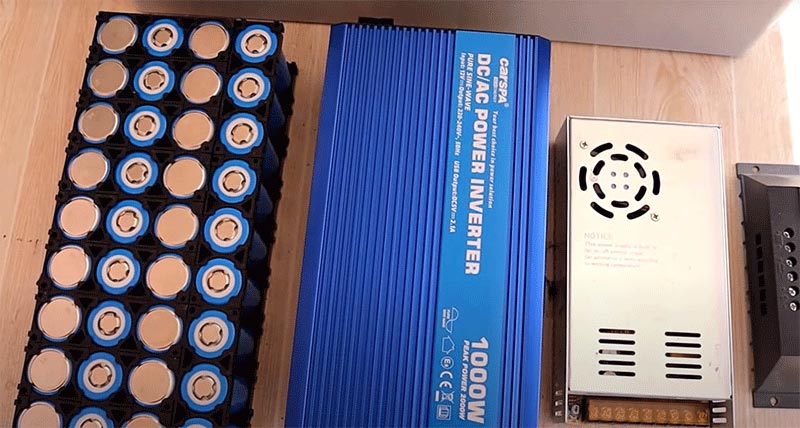
What Features Should a Reliable RV Power Inverter Have?
Safety and Protection Systems
A dependable RV power inverter isn't just about output power—it must also safeguard your electrical system. Essential safety features include:
Overload protection, which automatically shuts down the inverter if connected appliances exceed the rated capacity.
Short-circuit protection, to prevent electrical fires or equipment damage in case of wiring faults.
Over-temperature shutoff, ensuring the inverter powers down if it overheats, particularly important in desert climates or enclosed installations.
Low-voltage shutdown, which disconnects the system when battery voltage drops too low, protecting the battery from deep discharge.
High-end models often include audible alarms or visual indicators for these conditions, allowing you to respond before problems escalate.
Efficiency and Conversion Rate
Another critical factor is conversion efficiency—the percentage of DC battery power that's effectively converted into usable AC power. A high-quality inverter should deliver 90% or greater efficiency, minimizing energy waste and prolonging battery runtime.
Some advanced units support intelligent load sensing, allowing the inverter to enter sleep mode when not in use, further conserving energy. Additionally, integration with Maximum Power Point Tracking (MPPT) systems is a bonus for RVers using solar panels, ensuring optimal energy harvesting under changing sun conditions.
Portability and Installation
Space is always limited in RVs, so the physical size and design of the inverter matters. Look for a compact unit with sturdy mounting brackets and clear labeling on terminals. Units with side-facing connections are often easier to wire in tight compartments.
Ease of installation also includes whether the inverter supports:
Remote control panels, so you can turn it on/off from inside your RV without crawling into a cabinet.
Hardwired AC output, which simplifies integration with your RV's internal breaker panel.
USB and AC outlets, so you can connect appliances directly without additional wiring—perfect for smaller setups or mobile workstations.
Don't overlook the noise level—some inverters use fans that can be loud in quiet nighttime environments. Choose models with variable-speed fans or fanless designs for better comfort.
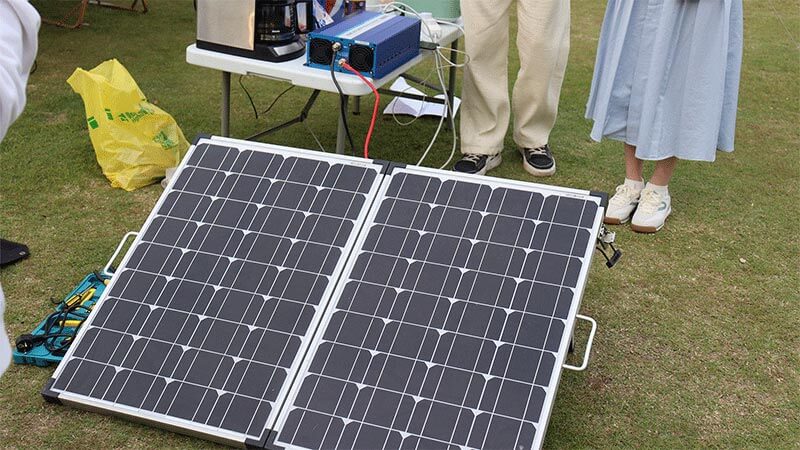
Can You Run All Appliances in an RV with a Power Inverter?
Know the Limits of Your System
While a power inverter dramatically expands the range of appliances you can use in an RV, it does have its limits. Not all devices are equally inverter-friendly. Appliances with high surge power requirements—such as air conditioners, induction cooktops, or electric kettles—can easily overload a low- or mid-range inverter.
For instance, a 1000W microwave may spike to 1500W at startup. If your inverter is rated right at 1000W with little surge capacity, it may shut down or trigger a fault alarm. Similarly, power tools and vacuum cleaners with motors demand more initial current, which a basic inverter might not handle.
To safely run multiple appliances, consider:
Checking both running wattage and surge wattage of each device.
Ensuring your inverter's peak load capacity aligns with your most demanding appliance.
Using power strips with surge protectors to avoid voltage drops when running multiple devices.
Battery Bank Matters Too
A power inverter is only one piece of the puzzle. Its effectiveness depends heavily on the quality and capacity of your battery bank. If the battery can't supply the required DC current consistently, the inverter may underperform or shut down.
For example, a 2000W inverter draws approximately 166 amps at 12V under full load. If your battery or cable setup isn't designed for such current, voltage sag or system instability will occur.
To maintain reliable performance:
Use deep-cycle AGM or lithium batteries with adequate amp-hour ratings.
Install thick, short DC cables to reduce voltage loss.
Consider adding a battery monitor to keep track of discharge levels and performance in real time.
Tip: Always upgrade your battery system in parallel with your inverter. Underpowered batteries are one of the top causes of inverter failure or inefficiency in RV setups.

What Are the Maintenance Tips for RV Power Inverters?
Routine Checks and Cleaning
Regular maintenance not only prolongs the life of your power inverter but also ensures your entire RV electrical system operates safely. One of the simplest but most overlooked steps is keeping the inverter clean. Dust, pet hair, and condensation can block ventilation ports or settle on internal components, leading to overheating or corrosion over time.
Every few weeks:
Use a dry cloth or compressed air to clean dust from vents and fan grills.
Check that mounting screws and electrical terminals are still secure.
Make sure the inverter is positioned in a well-ventilated space to promote heat dissipation.
Also, inspect the DC input cables and fuses for any signs of wear or melting. Poor connections and cable corrosion are common culprits behind power drops or inverter faults.
Monitor Performance with a Battery Management System
Modern RV inverters often include compatibility with Battery Monitoring Systems (BMS) or built-in displays. These tools give you real-time insights into how much power your inverter is drawing, how efficiently it's converting energy, and whether your battery bank is performing within optimal parameters.
With a good BMS or inverter monitor, you can track:
Input and output voltage
Battery percentage and estimated runtime
Load percentage and inverter temperature
Historical logs of over-voltage or fault events
This level of transparency not only helps with early troubleshooting but also prevents accidental deep discharges, one of the most common causes of premature battery failure.
Firmware and Feature Updates
For high-end inverters with digital interfaces, it's also worth checking whether the manufacturer provides firmware updates. These may include bug fixes, performance optimizations, or new features—like enhanced solar input control or smarter sleep modes.
Routine maintenance doesn't have to be complex. A few minutes every month can save you hours of frustration on the road—especially in remote areas where technical support isn't easily accessible.
Conclusion: Power Inverter, the Backbone of RV Energy Independence
A well-chosen and properly installed power inverter empowers RV owners to enjoy modern convenience anywhere they go—whether deep in the desert or by the lakes of Europe. With proper sizing, regular maintenance, and smart usage, it becomes the invisible engine powering a comfortable mobile lifestyle.
Brands like CARSPA offer reliable and efficient power inverter models tailored for RV systems, ensuring both safety and performance wherever the road leads.


