
5 Powerful Reasons Why Choosing the Right 1000 Watt Power Inverter Can Positively Impact Your Business
When it comes to reliable off-grid or mobile power solutions, the 1000 watt power inverter hits the sweet spot for many commercial and light-industrial applications. Whether you're outfitting work vans, upgrading RVs for mobile service teams, or powering off-grid tools, selecting the right inverter can have a noticeable impact on operational reliability and energy efficiency.
Let’s explore five essential questions to consider before making that decision—especially if you’re aiming for long-term performance and lower total cost of ownership.
Why Is a 1000 Watt Power Inverter the Sweet Spot for Mobile and Light Commercial Use?
Inverters come in all shapes and sizes—from ultra-compact units designed to charge a smartphone, to heavy-duty ones meant for industrial equipment. But a 1000 watt power inverter stands out because it strikes a practical balance between capability and convenience, making it a go-to solution for mobile professionals, contractors, and off-grid setups.
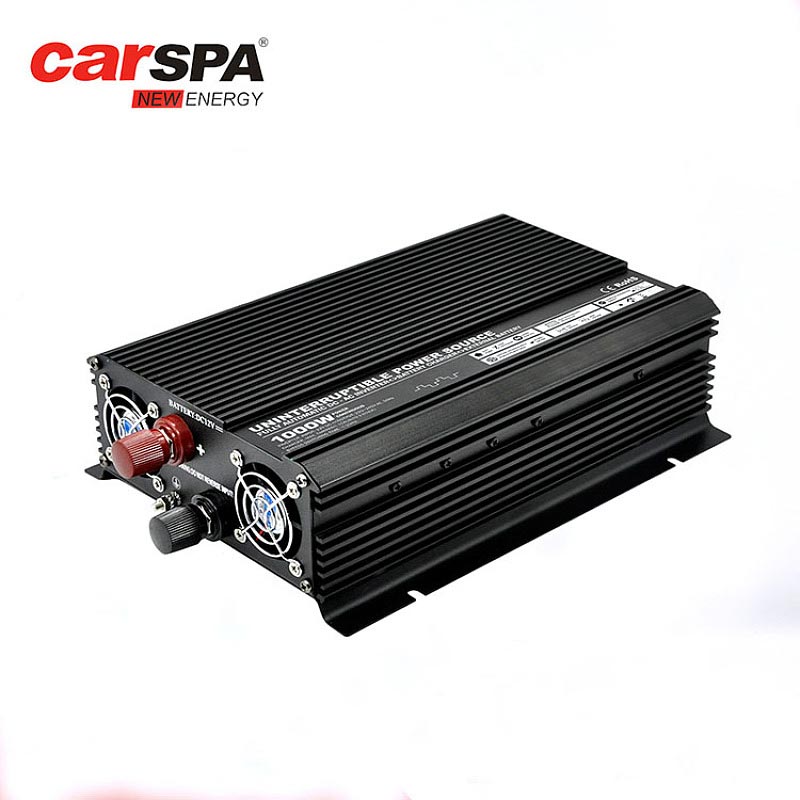
With 1000 watts of continuous output, this inverter can easily handle a wide variety of tools and appliances, including:
Corded power tools like angle grinders, jigsaws, or rotary tools
Laptop stations with dual monitors
Energy-efficient fridges or mini freezers
Small shop vacuums
Low-wattage microwaves or induction burners
Lighting setups for mobile booths or on-site work areas
This level of power is especially appealing to mobile technicians, RV users, field service teams, and even independent tradespeople who need reliable AC power while away from a fixed grid. You get enough juice to run your gear—but without the size, weight, and power draw of a 2000W+ unit that might be overkill.
Another major advantage is installation flexibility. Most 1000W inverters can be mounted under seats, behind panels, or integrated into toolboxes and electrical cabinets. They're easier to install, easier to cool, and typically don't require complex ventilation or wiring upgrades. For mobile builds, where every inch matters and weight affects fuel consumption, these compact dimensions matter more than you think.
Also, from a power system design perspective, 1000W hits the efficiency sweet spot. It pairs well with standard 12V or 24V deep-cycle battery setups, doesn’t overburden solar charge controllers, and gives you a nice balance between power availability and runtime. In fact, for many users who’ve upgraded from smaller inverters, 1000W is often the “just right” solution—providing enough headroom for unexpected loads, without the inefficiencies of oversized hardware.
What Are the Most Common Mistakes When Choosing a 1000 Watt Inverter—and How Can You Avoid Them?
Even though 1000W sounds straightforward, choosing the right inverter involves more than just matching the power rating. There are a few common mistakes that many users—especially first-time buyers—tend to make. The good news is that these pitfalls are easy to avoid once you know what to look for.
Overlooking Waveform Type
One of the most overlooked details is the type of output waveform. Inverters typically produce either pure sine wave or modified sine wave AC power. Pure sine wave inverters generate a smooth, clean electrical signal that’s virtually identical to what you get from the utility grid. This is essential when powering sensitive electronics such as laptops, LED TVs, printers, audio equipment, and medical devices.
On the other hand, modified sine wave inverters are cheaper but create a rougher, choppier waveform. This may cause devices to overheat, make strange noises, or malfunction altogether. For commercial use—where equipment reliability matters—pure sine wave is almost always worth the extra cost.
Not Accounting for Surge Power Requirements
A lot of equipment—especially those with motors or compressors—requires a brief surge of power at startup. For example, a tool that runs at 700W may need up to 1400W for a few seconds to get going. If your inverter can’t handle this, it will shut down or, worse, damage the connected device. Always check the inverter’s surge rating, which should be at least double its continuous power rating for safe and smooth operation.
Ignoring Input Voltage Compatibility
Another easy-to-miss detail is input voltage. A 12V inverter won't work with a 24V battery system, and vice versa. Using the wrong voltage can trip protection circuits, trigger alarms, or lead to inverter failure. Before buying, double-check that the inverter matches your battery setup—especially in solar or dual-battery systems where voltage can vary.
Skipping the Environment Check
Finally, don’t forget to consider the installation environment. Will the inverter be used in a hot van, dusty job site, or humid storage area? If so, look for models with built-in thermal protection, fan cooling, sealed housing, or corrosion resistance. Environmental mismatch is a silent killer of inverter longevity.
By paying attention to these factors—waveform, surge capacity, voltage input, and environmental fit—you can avoid costly mistakes and ensure your inverter supports your operations reliably for years to come.

How Does a High-Quality Inverter Improve Real-World Efficiency and Reliability?
The value of a high-quality 1000 watt power inverter goes far beyond just converting DC to AC—it directly influences how efficiently your power system performs and how often your equipment stays online. In real-world commercial use, where every delay or malfunction can translate to downtime or revenue loss, reliability isn’t optional—it’s everything.
So, what separates a reliable inverter from a risky one?
First, quality inverters are built with robust internal components—including industrial-grade MOSFETs, durable transformers, and high-temperature capacitors—that stand up to frequent use and fluctuating power loads. These components not only improve performance consistency but also extend the overall lifespan of both the inverter and the connected devices.
Next, they feature intelligent protection systems:
Overload protection kicks in when too many devices are drawing power at once.
Over-temperature shutdown prevents internal damage in high-heat environments.
Low voltage alarms warn you before your battery is fully drained, helping you preserve battery health.
Short-circuit protection ensures safety for both users and connected tools.
For professionals who depend on mobile setups—like food trucks, mobile mechanics, solar field technicians, or disaster response teams—these safeguards are crucial. If your inverter fails in the middle of a job, that’s not just a technical problem—it’s a business interruption.
Cooling performance is another key factor. A well-designed inverter will include automatic cooling fans that respond to load and ambient temperature, preventing overheating without wasting energy. Poor cooling is one of the top reasons budget inverters burn out prematurely.
Take the example of a mobile grooming service in Texas, operating out of a converted van. Before upgrading, they dealt with frequent inverter failures due to summer heat and power spikes. After switching to a high-quality 1000W pure sine wave unit with built-in protections and smart cooling, their downtime dropped by nearly 80%—resulting in fewer canceled appointments and a better client experience.
Over time, the hidden cost of unreliability—lost productivity, equipment damage, or client dissatisfaction—far outweighs the initial price difference between a basic inverter and a professional-grade one.
What Should You Look for in a 1000 Watt Inverter Without Getting Overwhelmed?
When faced with dozens of inverter listings—each filled with specs, certifications, and marketing claims—it’s easy to feel overwhelmed. But choosing the right 1000 watt inverter doesn’t have to be complicated. The key is to focus on practical performance criteria that directly affect your day-to-day use, rather than getting lost in technical jargon.
Here’s a simplified list of what really matters:
Pure Sine Wave Output: For any commercial or mixed-use setup, pure sine wave is the gold standard. It guarantees compatibility with all AC devices, runs electronics quietly, and ensures longer device lifespan.
Sufficient Surge Power: Look for at least 2000W peak surge capacity to safely start devices with compressors, motors, or internal fans. This avoids startup hiccups that could trip your system or damage equipment.
Thermal and Overload Protections: Built-in safety features like auto shutdown during high temperature or overload conditions are a must for continuous operation, especially in hot or enclosed environments.
Input Voltage Compatibility: Make sure the inverter matches your battery system—12V for most RVs and vehicles, 24V or higher for solar or larger battery banks.
Clear Connection Terminals: Quality inverters have well-labeled, robust terminals for quick, secure installation. Some even include remote-control ports or indicator displays for easier monitoring.
Form Factor and Mounting Options: For mobile setups, compact dimensions and solid mounting brackets can save a lot of frustration. Look for units that fit snugly in your workspace or vehicle.
Environmental Durability: If you’re operating outdoors, in marine environments, or on construction sites, an inverter with dust-proof vents, corrosion-resistant casing, and sealed electronics will last longer and perform more consistently.
Instead of chasing the “most powerful” or “cheapest” unit, focus on how well the inverter aligns with your environment, load requirements, and usage style.
Also, consider brand reputation and support. It’s worth going with a manufacturer that has a track record of reliability and provides clear documentation, accessible support, and reasonable warranty terms. You don’t want to be left on your own when something goes wrong in the field.
When in doubt, think in terms of scenarios: “What happens if I plug in a compressor and the inverter trips?” or “Can I still monitor my system remotely when it’s mounted inside a cabinet?” If the inverter can handle those situations smoothly, it’s probably a solid choice.
How Can You Get the Most Long-Term Value from a 1000W Inverter Investment?
A 1000 watt power inverter is not a one-time use tool—it’s part of a broader power system that should deliver years of service. But like any electrical investment, its value over time depends on how well it’s integrated, maintained, and used. Here's how to make sure you’re getting the most out of your inverter—not just today, but long into the future.
Pair It With the Right Battery Bank
Your inverter is only as good as the power source behind it. To support a full 1000W draw for an extended period, you’ll need a battery setup with adequate amp-hour capacity. For example, a typical 12V 100Ah battery provides about 1200 watt-hours, which would power a 1000W load for just over an hour—but that’s under ideal conditions.
To improve lifespan and performance, use deep-cycle lithium (LiFePO₄) or AGM batteries, and avoid fully discharging them. Sizing your battery system with at least 20–30% buffer helps prevent voltage drops and inverter shutdowns.
Make Monitoring and Maintenance Easy
In field conditions or compact installations, access can be limited. That’s where remote control modules, Bluetooth monitoring, or LED indicator panels make a big difference. Being able to check battery voltage, output load, or fault codes from a dashboard or app helps you fix issues before they escalate.
This is especially useful in telecom towers, trailer-based systems, or off-grid cabins—places where maintenance visits are costly or infrequent.
Prioritize Load Efficiency
Maximize runtime by using energy-efficient appliances and tools. LED lighting, inverter-friendly refrigerators, and tools with soft-start features put less strain on the system. The lower your overall load, the longer your system runs without a recharge—and the less wear you put on your inverter.
Also consider the order in which devices start up. Staggering startup times avoids overwhelming the inverter with simultaneous surge demands.
Don’t Cut Corners on Installation
Improper wiring, undersized cables, or poor ventilation can kill even the best inverter prematurely. Use heavy-gauge wires for DC connections, fuse the input circuit for safety, and always follow manufacturer guidelines. If mounted in an enclosed area, ensure there’s enough airflow to keep the unit cool.
Think About the Environment
If your inverter is exposed to heat, vibration, or moisture, invest in units with sealed electronics, conformal-coated PCBs, and aluminum heat-dissipating enclosures. Environmental resistance reduces the risk of failure due to dust, condensation, or temperature extremes.
When you take the time to design your system with the full picture in mind—battery, load, protection, environment—you’re not just buying an inverter. You’re creating a reliable, efficient power ecosystem that pays you back in performance, uptime, and peace of mind.

Conclusion: Reliability Comes from Choosing the Right Partner
The 1000 watt power inverter remains one of the most practical solutions for professionals who need reliable AC power on the go. Whether you're powering mobile workstations, enhancing off-grid infrastructure, or operating in remote service environments, the right inverter improves reliability, reduces downtime, and pays off over time.
For those exploring dependable options, brands like CARSPA offer inverter models that combine durability, safety features, and clean output—all without unnecessary bulk or complexity. With the right setup and a bit of planning, your power system can become one of the most trusted parts of your operation.


