5 Key Benefits of a Solar Charge Controller in a Solar System
As solar power systems become a central pillar of modern energy infrastructure, managing how energy flows from solar panels to batteries is critical. That’s where a solar charge controller comes in. Often overlooked but absolutely essential, the solar charge controller plays a pivotal role in ensuring solar energy is stored and used efficiently and safely.
Whether the system is powering an off-grid cabin, supporting a telecommunications tower, or backing up industrial machinery, the performance of the batteries and the longevity of the entire solar setup can be compromised without the right controller in place. This article explores what a solar charge controller is, why it’s indispensable, and how it delivers tangible benefits in real-world solar applications.
What Is a Solar Charge Controller and Why Is It Important?
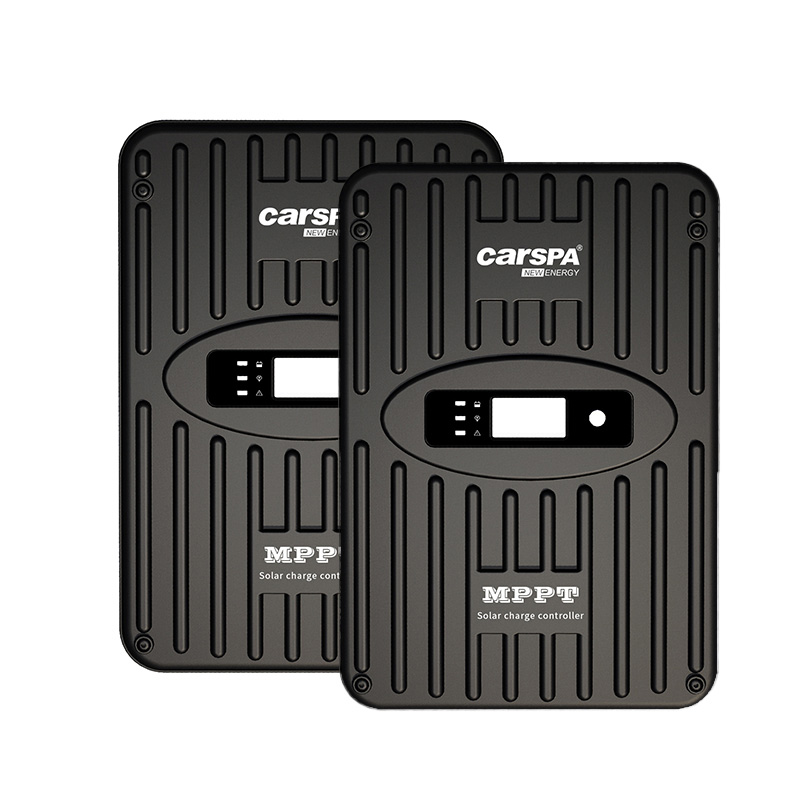
At its core, a solar charge controller is an electronic device that regulates the flow of electricity from solar panels to the battery bank. It ensures batteries are charged efficiently and, more importantly, safely. Without it, batteries could be overcharged, which reduces lifespan and creates serious safety risks.
There are primarily two types of solar charge controllers in use today: PWM (Pulse Width Modulation) and MPPT (Maximum Power Point Tracking). PWM is simpler and more cost-effective, while MPPT offers better efficiency, especially in large or complex solar installations. Both types monitor the battery voltage and control current accordingly to avoid overcharging, undercharging, or reverse current flow at night.
But the significance of the solar charge controller goes beyond basic regulation. It acts as the brain of a solar storage system, integrating power generation and consumption in a way that maximizes energy harvest and system health.
In practical terms, think of it as the conductor of an orchestra. Your solar panels may generate energy, and your batteries may store it—but without a charge controller, there’s no coordination between the two. It balances the charging process based on system conditions, battery type, temperature, and sunlight availability. A well-designed controller adapts dynamically, charging faster when the battery is low, slowing down as it nears capacity, and maintaining a safe voltage level for long-term storage. This smart control helps ensure your solar system delivers consistent performance regardless of weather fluctuations or seasonal shifts.
Additionally, many modern controllers come with LCD displays or Bluetooth connectivity, offering real-time data on voltage, amperage, and charging status. These features are especially helpful in industrial or off-grid settings, where ongoing monitoring and maintenance are crucial.
How Does a Solar Charge Controller Optimize Battery Health?
Battery degradation is one of the most expensive challenges in solar systems. Charging too quickly, not charging fully, or allowing too much discharge can all shorten battery lifespan. The solar charge controller is the frontline defense against these issues.
Modern controllers use multi-stage charging algorithms—commonly bulk, absorption, float, and sometimes equalization stages. These are designed to optimize charging for different battery chemistries such as lithium, AGM, gel, or flooded lead-acid. Each stage serves a specific purpose:
Bulk quickly restores depleted battery capacity.
Absorption tops off the charge slowly and safely.
Float maintains charge without overdoing it, ideal for long idle periods.
Equalization (if supported) prevents stratification in lead-acid batteries.
By following this charging logic, the controller prevents both overcharging and undercharging, which are leading causes of early battery failure. In commercial systems, this means fewer replacements, less downtime, and more predictable performance.
Beyond just following predefined stages, many solar charge controllers today can detect environmental and battery-specific conditions in real time. For instance, temperature sensors adjust voltage levels during charging to prevent overheating or undercharging in cold weather. Some models also allow users to fine-tune voltage thresholds and charging times, offering greater control for systems with high-value or sensitive batteries.
Let’s say you’re running a remote data station with lithium-ion storage. The controller ensures that charging occurs within tight voltage limits suited to lithium chemistry, avoiding the risks of thermal instability or incomplete cycling. Similarly, in a lead-acid-based backup system, the float stage ensures the batteries remain full without constant overcharge—vital in scenarios where solar input varies widely by season.
Over time, these intelligent protections directly translate into extended battery life, better energy retention, and reduced maintenance costs. For large-scale or mission-critical operations, this can significantly improve ROI.

What Are the Efficiency Gains with MPPT vs. PWM Controllers?
This is one of the most common questions during solar system design. MPPT controllers are typically more expensive than PWM, but they can also deliver 15–30% more energy—especially in cold climates or when panel voltage is significantly higher than battery voltage.
MPPT technology constantly tracks the solar panel's optimal power output (known as the maximum power point) and adjusts the voltage and current accordingly. Instead of forcing the panel to operate at battery voltage like PWM does, MPPT extracts energy at the most efficient level, then converts it to the battery’s needs via high-frequency DC-DC conversion.
This results in:
Higher energy harvest per panel
Better performance in varying sunlight
Greater flexibility in system design (more panels in series)
For installations with limited space or fluctuating environmental conditions, the improved efficiency of MPPT can justify its cost very quickly.
Let’s break that down further. With a PWM controller, your solar panels are essentially locked into delivering power at the battery’s voltage—say, 12V. If your solar panels are capable of 18V, that extra 6V of potential is lost. MPPT, on the other hand, allows the panel to operate at 18V while stepping the voltage down and increasing current to match the battery’s requirements, conserving much more of the original solar input.
This is particularly useful in:
Cold mornings, where panel voltage is naturally higher.
Partially shaded systems, where rapid tracking of available power is crucial.
High-voltage arrays, which reduce cable losses and enable longer wire runs.
In industrial and off-grid applications, where every watt counts, the additional cost of an MPPT controller is often recouped in a matter of months through improved yield and system resilience.
How Does a Solar Charge Controller Contribute to System Safety?
Solar systems handle high currents and volatile energy sources. Without a solar charge controller, the system risks:
Overcharging batteries and causing thermal runaway
Discharging batteries too deeply, damaging them permanently
Feeding current back into solar panels at night, potentially damaging modules
A good solar charge controller integrates multiple layers of protection:
Reverse polarity protection
Short circuit safeguards
Temperature compensation for precise charging
Automatic shut-off under fault conditions
In industrial or mission-critical setups, some advanced models even offer communication ports for remote monitoring, alarms, and integration with energy management software—giving operators greater control and visibility.
But the safety aspect is not just about avoiding catastrophic failure—it’s also about maintaining operational integrity day after day. Many modern charge controllers come with self-diagnostic features that identify irregular voltage patterns, overheating, or cable faults before they escalate into real problems. This predictive protection model helps technicians detect weak points early, reducing unplanned system downtime.
Also worth noting is nighttime reverse current protection—a standard feature in most controllers, but absolutely essential. Without this, batteries could slowly discharge back through the solar panels when there’s no sun, especially in low-voltage systems. A solar charge controller prevents this backflow automatically, eliminating the need for external diodes or circuit breakers.
In off-grid systems powering critical loads—like telecommunications relays, water pumps, or remote security equipment—any charging anomaly can have cascading effects. A quality charge controller ensures that these systems run reliably, even in the harshest conditions. Some even include programmable load terminals, which can automatically disconnect non-essential loads when battery voltage drops too low, preserving energy for critical operations.
Why Is a Charge Controller Essential for Hybrid and Off-Grid Systems?
Solar charge controllers are not just accessories—they’re foundational in systems where solar is the primary or backup source of power. In off-grid cabins, mobile units, or backup power stations, the controller ensures every bit of sunlight is converted into usable, storable energy.
In hybrid systems that combine solar with generators or grid power, controllers help orchestrate the timing of charge and discharge cycles, sometimes coordinating with inverters and smart meters. For example:
During peak sunlight, the controller prioritizes solar charging.
When batteries are full, it may signal inverters to divert energy to loads or shut down the array.
If batteries are low and solar is insufficient, the controller helps switch the source.
This orchestration is key in minimizing generator use, reducing emissions, and ensuring power continuity.
Take, for instance, a remote agricultural operation where solar, diesel generators, and battery banks are used together. A charge controller not only protects the batteries but also integrates with hybrid inverters to optimize the use of solar energy during daylight hours. It delays generator startup by ensuring the batteries are as full as possible from solar first—saving fuel and reducing wear on equipment.
In mobile applications—like RVs, boats, or construction trailers—space and energy are limited, making efficient control even more critical. A good controller extends autonomy, reduces recharge times, and ensures sensitive electronics powered by the system are not exposed to voltage spikes or drops.
Additionally, many hybrid setups include load shedding functions controlled via the charge controller. This means non-essential devices (such as lighting or small appliances) can be disconnected automatically when battery levels drop below a set threshold, preserving power for essential systems like pumps or communication devices.
In short, the charge controller isn’t just a component—it’s the nerve center of a hybrid or off-grid system, enabling intelligent, efficient, and reliable solar integration.

Final Thoughts: Unlocking the Full Potential of Solar Systems
The solar charge controller is much more than a gatekeeper for current—it's an enabler of efficiency, safety, and long-term system performance. From protecting your investment in expensive batteries to increasing total solar yield, the right controller makes a major difference in any solar setup.
If you're planning or maintaining a solar system, choosing the right charge controller—paired with proper system sizing and design—is one of the smartest decisions you can make.
About CARSPA
CARSPA is a trusted name in solar power solutions, offering a wide range of solar charge controllers, inverters, and off-grid power components. Known for reliability and innovation, CARSPA products are engineered to meet the performance demands of real-world solar energy applications.