1000W Inverter for Car: A Practical Power Solution for DIY RV Builds
Introduction
As the popularity of DIY RV projects continues to grow, more builders are paying closer attention to how onboard electrical systems are designed and optimized. Unlike factory-built recreational vehicles, a DIY RV often starts with limited electrical infrastructure, making power planning one of the first and most critical steps in the conversion process. From basic lighting and ventilation to charging tools and running small appliances, a stable and efficient power source is essential for turning a vehicle into a functional living and working space.
In this context, the 1000W Inverter for car has become a widely adopted solution in DIY RV builds. It offers a practical balance between output capacity and system simplicity, allowing builders to convert DC battery power into usable AC electricity without adding unnecessary complexity. Rather than oversizing the system and increasing cost, weight, and installation difficulty, many DIY RV projects benefit from a carefully selected inverter that aligns with real-world usage scenarios.
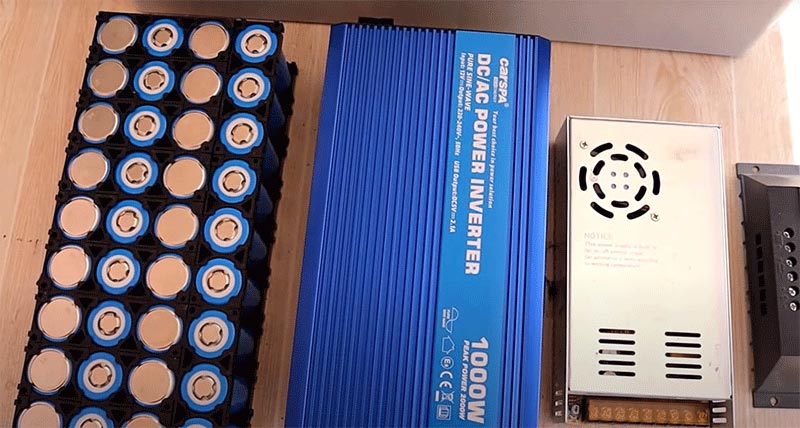
Another important consideration in DIY RV conversions is mobility. Electrical systems must remain reliable while the vehicle is in motion, parked off-grid, or connected to auxiliary charging sources. A well-matched inverter helps ensure consistent power delivery under changing load conditions, supporting everyday activities without frequent interruptions or voltage instability. This reliability becomes especially valuable when the RV is used for extended travel, temporary work setups, or remote stays.
By understanding how a 1000W Inverter for car fits into the broader DIY RV power strategy, builders can make more informed decisions about system layout, energy efficiency, and long-term usability. The following sections explore how this power solution supports common RV appliances, improves electrical stability, and enhances overall flexibility in custom RV projects.
Why Is a 1000W Inverter for Car a Practical Power Solution for DIY RV Builds?
When planning a DIY RV electrical system, one of the first challenges is finding a power solution that is capable, manageable, and cost-effective at the same time. A 1000W Inverter for car fits this requirement well, which is why it is often selected as the core power conversion device in many custom RV projects.

Balancing Power Demand and System Simplicity
DIY RV builds typically focus on essential functionality rather than luxury-level electrical loads. Lighting, small kitchen appliances, laptops, communication equipment, and ventilation systems make up the majority of daily power consumption. A 1000W inverter is well suited to these needs, delivering enough capacity to handle multiple devices without pushing the system into unnecessary complexity. This balance helps builders avoid oversized batteries, excessive cabling, and complicated power management designs.
Ideal for Entry-Level and Modular RV Conversions
Many DIY RV projects are completed in stages rather than all at once. A 1000W Inverter for car allows builders to start with a core electrical setup and expand later if needed. It supports early-stage conversions while leaving room for future upgrades, such as additional batteries or solar charging. This modular approach is especially attractive for builders who want flexibility without committing to a large initial investment.
Reduced Installation Constraints in Compact Vehicles
Space is often limited in vans, box trucks, and compact RV platforms. Compared with higher-wattage inverters, a 1000W unit typically requires less mounting space, simpler ventilation planning, and lighter-duty wiring. This makes installation more straightforward and reduces the risk of overheating or improper electrical connections—common concerns in DIY environments.
Practical Efficiency for Mobile Power Use
In mobile applications, efficiency matters as much as output power. A properly sized inverter minimizes idle losses and improves overall battery utilization. By matching inverter capacity to actual load requirements, DIY RV builders can achieve longer operating times and more predictable energy usage, especially when relying on battery-only or off-grid power sources.
Overall, the 1000W Inverter for car represents a practical and realistic choice for DIY RV builds, offering enough power for everyday needs while keeping the electrical system simple, scalable, and reliable.
What Types of RV Appliances Can a 1000W Inverter for Car Support in Daily Use?
Understanding what can realistically be powered is a key step in designing a reliable DIY RV electrical system. A 1000W Inverter for car is not intended to run every appliance at once, but it is well suited for the types of equipment commonly used in daily RV life when loads are planned properly.
Supporting Essential Living Equipment
Most DIY RV setups rely on a range of low- to medium-power devices that operate for extended periods. These typically include LED lighting, water pumps, roof fans, routers, and charging stations for phones and laptops. A 1000W inverter can comfortably handle these continuous loads, providing stable AC power without placing excessive strain on the battery system.
Powering Small Kitchen and Comfort Appliances
In practical RV use, appliances such as electric kettles, coffee makers, rice cookers, or compact induction cooktops are often used intermittently rather than continuously. When managed one at a time, many of these devices fall within the operating range of a 1000W inverter. This allows DIY RV owners to enjoy basic cooking and comfort functions without upgrading to a much larger power system.
Enabling Work and Remote Equipment Use
For DIY RV projects that double as mobile workspaces, reliable power for office equipment is essential. A 1000W Inverter for car can support laptops, monitors, printers, testing instruments, and small power tools commonly used for fieldwork or remote operations. Stable output voltage is especially important for sensitive electronics that require consistent power quality.
Managing Peak Loads Through Smart Usage
One of the advantages of a mid-range inverter is that it encourages thoughtful energy management. By staggering appliance use and avoiding simultaneous high-load operation, RV users can maximize system performance. This approach not only protects the inverter but also extends battery life and improves overall system reliability during off-grid operation.
When appliance selection and usage patterns are well planned, a 1000W Inverter for car can effectively support most daily electrical needs in a DIY RV, making it a practical choice for balanced and efficient mobile living.
Typical Appliances Supported by a 1000W Inverter for Car in DIY RV Applications
| Appliance Category | Typical Devices | Power Consumption Range | Usage Pattern in DIY RV |
| Lighting & Basics | LED lights, water pump, fans | Low | Continuous / Daily |
| Digital & Office Equipment | Laptop, router, monitor | Low to Medium | Long-duration |
| Kitchen Appliances | Kettle, coffee maker, rice cooker | Medium to High | Short-term / Intermittent |
| Tools & Accessories | Small power tools, chargers | Medium | Occasional |
| Comfort & Convenience | TV, speakers, small appliances | Medium | Controlled / Planned |
How Does a 1000W Inverter Improve Power Stability in DIY RV Electrical Systems?
Power stability is a critical concern in DIY RV builds, especially when electrical systems must operate under constantly changing conditions. A 1000W Inverter for car plays an important role in maintaining consistent and reliable power delivery, helping protect both equipment and the overall electrical setup.
Converting Battery Power into Usable AC Electricity
RV electrical systems are primarily based on DC battery storage, while many everyday appliances and tools require AC power. A well-designed inverter ensures that this conversion process remains smooth and stable. By delivering a clean and regulated AC output, a 1000W inverter helps prevent fluctuations that could interfere with normal appliance operation or cause unexpected shutdowns.
Protecting Sensitive Electronics and Control Devices
Modern DIY RVs often include electronic devices that are sensitive to voltage variations, such as laptops, communication equipment, monitoring systems, and chargers. Stable output from a 1000W Inverter for car reduces the risk of voltage spikes or drops, helping these devices operate safely and extending their service life. This level of protection is particularly valuable when working or living in the RV for long periods.
Maintaining Reliable Operation in Mobile Environments
Unlike stationary power systems, RV electrical setups must handle vibration, movement, and temperature changes. A properly installed inverter contributes to consistent power performance even when the vehicle is in motion or parked in off-grid locations. Reliable power stability ensures that lighting, ventilation, and essential systems continue to function without interruption during travel or overnight stays.
Supporting Balanced Load Distribution
In DIY RV builds, multiple devices often share the same power source. A 1000W inverter encourages balanced load management by operating efficiently within its designed capacity. This helps reduce stress on batteries and wiring, minimizing the likelihood of overheating or system instability during extended use.
By improving voltage consistency and managing power conversion effectively, a 1000W Inverter for car enhances the overall stability of DIY RV electrical systems, making daily operation safer, more predictable, and easier to manage.

What Should Be Considered When Integrating a 1000W Inverter into a DIY RV Setup?
Integrating an inverter into a DIY RV is not just about choosing the right power rating—it also requires careful planning of the entire electrical system. A 1000W Inverter for car performs best when it is properly matched with supporting components and installed with long-term usability in mind.
Matching Battery Capacity with Inverter Output
The inverter’s performance is directly linked to the battery system that supplies it. Sufficient battery capacity ensures that the inverter can deliver stable power without excessive voltage drop. In DIY RV builds, this means selecting batteries that can support both continuous loads and short-term peak demands while maintaining healthy discharge levels.
Cable Sizing and Electrical Protection
Proper cable selection is essential for safe and efficient operation. Undersized cables can lead to power loss, overheating, or unreliable performance. When installing a 1000W inverter, attention should also be given to fuses or circuit protection devices, which help safeguard the system against overloads and accidental short circuits.
Ventilation and Thermal Management
Even efficiently designed inverters generate heat during operation. Adequate ventilation allows heat to dissipate and prevents thermal stress on internal components. In compact RV spaces, positioning the inverter in a well-ventilated area helps maintain stable operation and reduces the risk of performance degradation over time.
Planning for System Expansion
Many DIY RV builders upgrade their electrical systems as usage needs evolve. Integrating a 1000W Inverter for car with future expansion in mind—such as adding extra batteries, solar charging, or additional outlets—helps avoid major rewiring later. A flexible layout supports long-term adaptability without compromising current functionality.
By considering these integration factors during installation, DIY RV builders can ensure that their 1000W Inverter for car operates safely, efficiently, and reliably as part of a well-balanced mobile power system.
How Does a 1000W Inverter for Car Enhance the Overall Flexibility of DIY RV Travel?
One of the main goals of a DIY RV project is freedom—freedom to travel, to work, and to live comfortably without being tied to fixed power sources. A 1000W Inverter for car directly contributes to this flexibility by enabling a more adaptable and independent electrical setup.
Enabling Off-Grid and Semi-Off-Grid Operation
With a properly configured inverter and battery system, a DIY RV can operate independently of external power connections for extended periods. This allows users to park in remote areas, temporary locations, or transit zones while still maintaining access to essential electrical functions. The ability to rely on onboard power improves route planning flexibility and reduces dependence on designated hookup points.
Supporting Multiple Use Scenarios
DIY RVs are often used for more than leisure travel. Some function as mobile workshops, service vehicles, or temporary living spaces. A 1000W inverter supports this versatility by powering tools, communication devices, and work-related equipment alongside everyday living appliances. This makes the RV adaptable to changing roles without requiring major electrical modifications.
Simplifying Energy Management on the Road
Because a 1000W inverter encourages conscious load management, users tend to develop efficient power-use habits. This results in better battery utilization and fewer unexpected power shortages. For DIY RV travelers, predictable energy consumption means less stress and more confidence when planning daily activities or longer journeys.
Improving Comfort Without Overengineering
Flexibility is not only about mobility but also about comfort. A 1000W Inverter for car provides enough power to support lighting, ventilation, cooking, and digital connectivity—key elements that improve quality of life on the road—without adding unnecessary system complexity. This balance allows DIY builders to focus on usability rather than constant system adjustments.
By enhancing energy independence and supporting diverse usage patterns, a 1000W Inverter for car helps DIY RV travelers achieve a practical blend of mobility, comfort, and control.
Conclusion
Designing a reliable electrical system is one of the most important aspects of any DIY RV project. From supporting daily appliances and sensitive electronics to maintaining power stability in mobile environments, the 1000W Inverter for car offers a well-balanced solution that aligns with real-world RV usage. Its manageable capacity, installation flexibility, and compatibility with modular system designs make it especially suitable for custom builds where efficiency and adaptability matter.
When thoughtfully integrated with the right batteries, wiring, and protection measures, this type of inverter can form the backbone of a dependable RV power system. For DIY RV builders seeking a practical and scalable approach to mobile electricity, solutions from CARSPA provide a reliable foundation for long-term travel and everyday use.