
Why Do We Need Energy Storage in Modern Power Applications?
Introduction
Why Do We Need Energy Storage in Modern Power Applications?
As power systems continue to evolve, electricity is no longer produced and consumed in a perfectly synchronized way. Solar generation fluctuates with sunlight, loads vary throughout the day, and many modern applications require stable power even when the grid is unavailable or unstable. In this context, Energy Storage has moved beyond being an optional supplement and has become a functional requirement in a wide range of power applications.

At its core, Energy Storage provides a way to decouple energy generation from energy consumption. By capturing excess energy when supply is available and releasing it when demand increases, storage systems help smooth power fluctuations and improve overall system reliability. This capability is especially valuable in applications where continuity, predictability, and power quality are critical to daily operation.
Beyond basic backup functionality, modern Energy Storage solutions play an active role in how power systems are designed and operated. They support load shifting, reduce stress on power sources, and enable more flexible system architectures. Whether integrated into solar-based systems, standalone backup installations, or modular energy platforms, storage allows power to be managed rather than merely consumed.
As applications become more distributed and energy sources more variable, the question is no longer whether Energy Storage is needed, but how it can be applied effectively to support stable, efficient, and adaptable power use. Understanding this role is the first step toward selecting and deploying storage solutions that align with real operational requirements rather than theoretical capacity alone.
What Is Energy Storage and Why Is It Becoming Essential Across Modern Applications?
Defining Energy Storage Beyond Simple Backup
Energy Storage refers to systems designed to store electrical energy and release it in a controlled manner when needed. While it is often associated with backup power, modern energy storage serves a broader purpose. It acts as an intermediate layer between energy sources and loads, allowing power to be buffered, redistributed, and stabilized across different operating conditions. This functional role makes storage an integral part of system design rather than a standalone add-on.
Bridging the Gap Between Generation and Consumption
In many applications, energy generation does not align perfectly with real-time demand. Solar systems may produce surplus energy during daylight hours, while consumption peaks occur later. Energy Storage addresses this imbalance by capturing excess energy and making it available when generation drops or demand increases. This capability reduces reliance on immediate power availability and allows systems to operate more predictably under variable conditions.
Supporting System Reliability and Continuity
Unstable grids, temporary outages, and sudden load changes can disrupt normal operation if no buffer exists. Energy Storage introduces resilience into power systems by maintaining continuity during interruptions and smoothing transitions between power sources. Instead of reacting to power loss, systems equipped with storage can maintain operation seamlessly, reducing downtime and operational uncertainty.
Enabling Flexible and Modular Power Architectures
As power applications become more decentralized, rigid system designs are increasingly difficult to scale or adapt. Energy Storage supports modular architectures by allowing capacity to be expanded or adjusted without redesigning the entire system. This flexibility is particularly valuable in applications where power demand grows over time or where installation conditions limit available space.
From Supplementary Component to Core Infrastructure
What distinguishes modern Energy Storage from earlier approaches is its role as a core infrastructure element. It influences how power systems are sized, how energy flows are managed, and how reliability targets are achieved. Rather than being added at the end of a project, storage is now considered early in the planning process to ensure long-term performance and adaptability.

How Does Energy Storage Improve Power Stability and Availability in Solar-Based Systems?
Managing Intermittent Energy Generation
Solar power generation is inherently variable. Output changes with sunlight intensity, weather conditions, and time of day, while energy demand often follows a different pattern. Energy Storage plays a critical role by absorbing excess solar energy when production is high and releasing it when generation drops. This buffering effect helps transform intermittent generation into a more stable and usable power supply.
Reducing Dependence on Real-Time Grid Support
In many solar-based installations, relying solely on real-time grid availability can limit system performance or operational independence. Energy Storage reduces this dependency by allowing stored energy to support loads during low-generation periods or grid instability. As a result, power availability becomes less sensitive to external conditions and more aligned with actual operational needs.
Improving System Response to Load Fluctuations
Sudden load changes can stress solar inverters and connected equipment if no energy buffer is present. Energy Storage smooths these transitions by providing immediate power support during load spikes and absorbing excess energy when demand drops. This stabilizing effect helps maintain consistent voltage and reduces the risk of performance degradation across connected devices.
Enabling Continuous Operation Beyond Daylight Hours
Without storage, solar-based systems are often limited to daylight operation or partial load coverage. Energy Storage extends system usability by making stored energy available during evening hours, cloudy conditions, or temporary interruptions. This extended availability transforms solar installations from supplemental power sources into reliable contributors to daily energy use.
Supporting Smarter Energy Utilization Strategies
Beyond stability, Energy Storage enables more intelligent use of generated power. Stored energy can be allocated strategically—prioritizing critical loads, supporting scheduled operation, or reducing peak demand on primary power sources. This level of control allows solar-based systems to operate more efficiently and predictably, even as conditions change throughout the day.
Why Is Modular Energy Storage Important for Scalable Residential and Commercial Installations?
Adapting to Changing Power Demand
Power demand rarely remains static. As applications expand, equipment is added, or usage patterns change, fixed-capacity energy systems can quickly become restrictive. Modular Energy Storage allows capacity to be increased incrementally, ensuring that storage capability evolves alongside real-world power requirements rather than being locked into an initial design.
Simplifying Installation and Space Management
Installation environments often impose physical limitations, especially in retrofit projects or space-constrained locations. Modular designs offer greater flexibility by enabling different form factors—such as wall-mounted units for compact installations or stacked configurations for higher capacity needs. This adaptability simplifies planning and allows storage systems to fit into existing layouts without major structural changes.
Enhancing System Reliability Through Redundancy
Modular Energy Storage architectures inherently support redundancy. Instead of relying on a single large storage unit, multiple modules can share the load. If one module requires maintenance or experiences reduced performance, the remaining modules can continue operating. This distributed approach improves overall system resilience and reduces the impact of individual component issues.
Supporting Phased Investment and Expansion
Not all applications require maximum storage capacity from the outset. Modular Energy Storage enables phased deployment, allowing systems to start at a practical capacity and expand over time. This approach aligns storage investment with actual usage growth, helping balance system performance with long-term planning considerations.
Aligning Storage Design With Real Application Scenarios
By separating capacity into manageable modules, Energy Storage systems become easier to customize for different use cases. Whether the priority is compact backup power, extended runtime, or long-cycle performance, modular designs allow storage solutions to be tailored to specific operational goals rather than forcing a one-size-fits-all configuration.
How Does Energy Storage Support Backup Power and Peak Load Management in Daily Operation?
Ensuring Power Continuity During Outages
Unexpected power interruptions can disrupt normal operation, damage sensitive equipment, or lead to data and process losses. Energy Storage provides an immediate backup power source that activates without delay when the primary supply becomes unavailable. Unlike traditional backup solutions that require manual intervention or startup time, storage systems deliver seamless continuity, helping applications remain operational during short-term or extended outages.
Reducing Stress on Primary Power Sources
During periods of high demand, power systems can experience overload conditions that affect performance and reliability. Energy Storage supports peak load management by supplying additional power when demand exceeds normal levels. By sharing the load with primary sources, storage systems reduce thermal and electrical stress, helping extend the service life of power equipment and improve overall system stability.
Improving Power Quality Under Dynamic Loads
Many modern applications involve loads that change rapidly, such as motor-driven equipment or electronically controlled systems. These fluctuations can cause voltage drops or instability if not properly managed. Energy Storage acts as a fast-response energy buffer, absorbing and releasing power in real time to maintain consistent voltage and smoother system operation.
Enabling Priority-Based Energy Allocation
Not all loads carry the same importance during limited power availability. Energy Storage allows systems to prioritize critical functions while deferring or limiting non-essential loads. This selective energy allocation ensures that essential operations continue even when overall power capacity is constrained, adding an extra layer of operational control.
Supporting Long-Term Efficiency and Operational Planning
Beyond emergency use, Energy Storage contributes to long-term efficiency by enabling smarter energy management strategies. Stored energy can be deployed strategically to balance daily demand, reduce reliance on oversizing power sources, and support more predictable system behavior. Over time, this structured approach to energy use leads to improved reliability and better alignment between system design and real operational needs.
Conclusion
Energy Storage has become a foundational element in modern power applications, not because of theoretical advantages, but because it solves real operational challenges. By improving power stability, extending energy availability, and enabling flexible system design, energy storage allows power systems to function more predictably under changing conditions. It supports everything from solar energy utilization to backup power continuity and peak load management, making it an essential component rather than an optional addition.
As energy systems continue to move toward decentralization and modular design, the role of Energy Storage becomes even more critical. Well-designed storage solutions help bridge the gap between generation and consumption, protect sensitive equipment, and provide the adaptability required for long-term operation. The focus is no longer on storing energy alone, but on managing it intelligently to match real application demands.
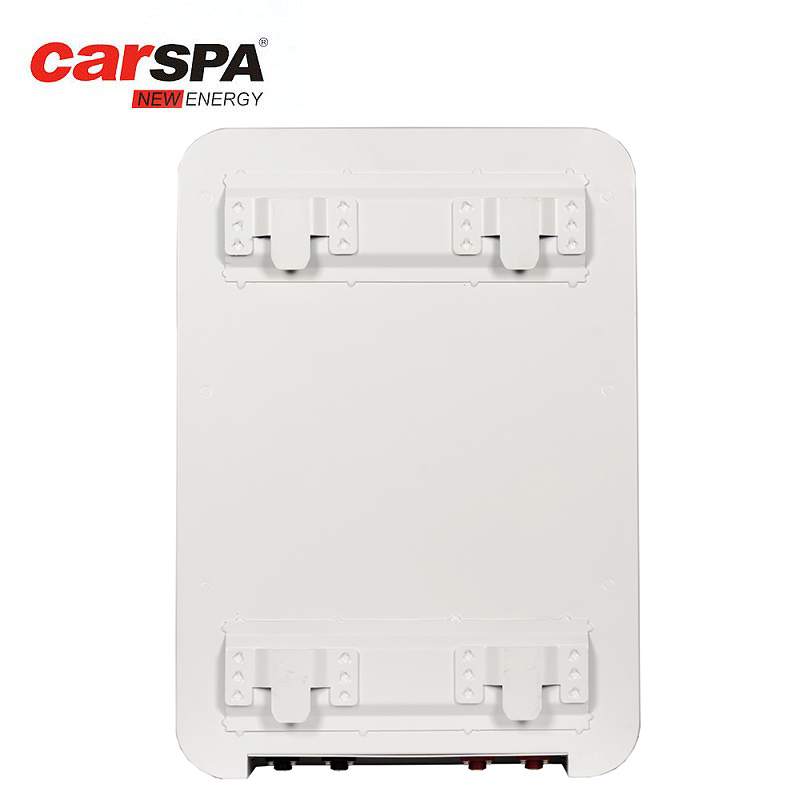
In this context, practical and application-oriented Energy Storage solutions—such as wall-mounted and stackable lithium battery systems—offer the flexibility, reliability, and lifecycle performance needed in modern installations. CARSPA provides Energy Storage products designed to support these requirements, helping power systems achieve stable operation, scalable capacity, and efficient energy use across a wide range of applications.


