Why Has Energy Storage Become a Core Component of Modern Power Architecture?
Introduction
As power systems become more decentralized and generation sources more diverse, traditional approaches to energy management are no longer sufficient on their own. Power networks that once relied on predictable generation and steady load patterns now operate in environments shaped by variability, distributed production, and increasing performance expectations. In this context, Energy Storage has moved from a supporting role to a structural element within modern power architecture.
Without Energy Storage, electrical systems are forced to match generation and consumption in real time. Any imbalance—whether caused by fluctuating generation or sudden load changes—can reduce efficiency, increase system stress, and limit operational flexibility. Energy Storage addresses this structural limitation by introducing a controllable buffer between energy supply and energy demand, allowing systems to operate with greater stability and foresight.
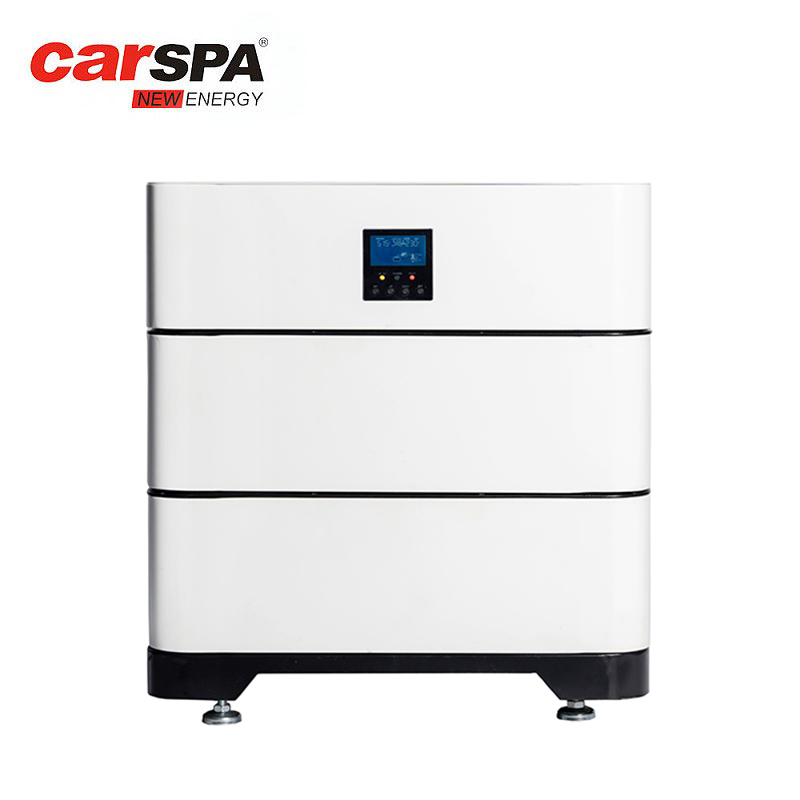
At the architectural level, Energy Storage reshapes how energy flows through a system.
Temporal decoupling: Separating when energy is generated from when it is consumed
Operational control: Enabling planned charging and discharging rather than reactive responses
System resilience: Reducing sensitivity to short-term disturbances and variability
Rather than being defined by a single function, Energy Storage influences system design, expansion strategy, and long-term reliability. By integrating storage into the core architecture, modern power systems gain the ability to adapt, scale, and maintain consistent performance under changing operating conditions.
What Power System Challenges Exist Without Energy Storage?
In power systems that operate without Energy Storage, electricity must be generated and consumed at the same moment. This rigid relationship creates several structural challenges, especially as energy sources and load behaviors become more dynamic. Over time, these challenges can limit system efficiency, increase operational risk, and constrain future expansion.

Supply and Demand Imbalance
Without Energy Storage, any mismatch between power generation and load demand must be corrected instantly. When generation exceeds demand, surplus energy is often curtailed or wasted. When demand rises unexpectedly, systems may struggle to respond quickly enough, leading to voltage instability or forced load adjustments.
Limited Control Over Energy Flow
Systems without storage rely heavily on real-time control of generation sources. This approach leaves little room for optimization, as energy flow is dictated by immediate conditions rather than strategic planning. Operators have fewer options to shape energy usage patterns or smooth transitions between operating states.
Increased Stress on Generation Equipment
Frequent ramping of generation equipment to follow load variations places additional mechanical and thermal stress on system components. Over time, this can accelerate wear, increase maintenance requirements, and reduce overall system reliability. Energy Storage helps absorb these fluctuations, but without it, generation assets carry the full burden.
Reduced Flexibility for System Growth
As energy demand evolves, systems without Energy Storage often require significant infrastructure upgrades to maintain performance. The lack of a buffering layer makes it harder to integrate new generation sources or expand capacity incrementally, limiting the system’s ability to adapt efficiently to changing requirements.
How Does Energy Storage Reshape Energy Flow and System Control?
Energy Storage changes the fundamental way power systems manage electricity by introducing a controllable layer between generation and consumption. Instead of reacting solely to real-time conditions, systems gain the ability to plan, regulate, and optimize energy flow over time.
Decoupling Generation From Consumption
By storing energy when it is available and releasing it when needed, Energy Storage removes the strict requirement for generation and load to operate in sync. This decoupling allows power systems to maintain stable operation even when generation output or load demand fluctuates significantly.
Smoother Power Transitions and Load Management
Energy Storage enables gradual and controlled power adjustments rather than abrupt changes. During load variations or source switching, stored energy can be dispatched to bridge gaps and smooth transitions. This reduces sudden stress on system components and improves overall operational consistency.
Centralized Monitoring and Coordinated Control
Modern Storage systems operate under unified control logic that monitors system conditions in real time. Charging and discharging decisions are made based on predefined strategies, allowing the system to respond intelligently to changing power conditions. This coordination improves predictability and simplifies system-level management.
Enhanced Efficiency Through Strategic Energy Use
With Energy Storage, energy can be allocated based on system priorities rather than immediate availability. This strategic use of stored energy reduces unnecessary losses, improves utilization of generation assets, and supports more efficient long-term operation across the entire power system.
Table: How Energy Storage Addresses Key Power System Challenges
| Power System Challenge | Without Energy Storage | With Energy Storage Integrated | System-Level Benefit |
| Generation–Load Mismatch | Generation must follow demand in real time | Energy buffered and dispatched as needed | Improved operational stability |
| Energy Flow Control | Reactive and condition-driven | Planned and strategy-driven | Greater control over power distribution |
| Intermittent Generation | Output fluctuations directly affect loads | Variability absorbed by storage | Smoother and more predictable operation |
| Equipment Stress | Frequent ramping and load changes | Reduced fluctuation impact | Extended equipment lifespan |
| System Scalability | Requires major infrastructure upgrades | Modular capacity expansion | Flexible long-term planning |
| Disturbance Resilience | High sensitivity to disruptions | Stored energy supports recovery | Enhanced system resilience |
Why Is Energy Storage Essential for Managing Intermittent Energy Sources?
Intermittent energy sources introduce variability that traditional power systems were not originally designed to handle. Changes in environmental conditions can cause rapid fluctuations in generation output, making consistent energy delivery difficult without additional system support. Energy Storage provides the stabilizing mechanism required to manage this variability effectively.
Buffering Short-Term Output Fluctuations
Energy Storage absorbs excess energy during periods of higher generation and releases it when output declines. This buffering function smooths short-term fluctuations, allowing power systems to maintain steady performance even when generation conditions change unexpectedly.
Maintaining Output Continuity During Low Generation Periods
When energy production temporarily drops, stored energy can be dispatched to maintain continuous power delivery. This capability prevents interruptions and reduces dependence on immediate generation availability, supporting stable operation under variable conditions.
Improving Predictability in System Operation
By moderating the impact of intermittent generation, Energy Storage makes system behavior more predictable. Operators can plan energy use and control strategies with greater confidence, knowing that stored energy is available to compensate for variability.
Reducing Operational Stress Across the System
Without Energy Storage, variability must be managed through rapid adjustments in generation or load. Storage systems absorb much of this variability, reducing stress on equipment and contributing to more consistent long-term performance.

How Does Energy Storage Improve Long-Term System Planning and Scalability?
Beyond daily operation, Energy Storage plays a strategic role in how power systems are designed, expanded, and maintained over time. By introducing flexibility at the system level, storage enables more controlled growth and more predictable long-term performance.
Supporting Phased Capacity Expansion
Energy Storage allows systems to increase capacity incrementally rather than through large, upfront upgrades. Storage modules can be added as energy demand grows, aligning infrastructure investment with actual usage. This phased approach reduces overcapacity and improves capital efficiency.
Adapting to Changing Load Profiles
As load patterns evolve, Energy Storage provides the ability to adjust system behavior without redesigning the entire architecture. Stored energy can be reallocated to meet new demand profiles, helping systems remain effective even as operating conditions change.
Extending the Service Life of Core Equipment
By smoothing power variations and reducing peak stress, Energy Storage helps protect generation and distribution components. Lower mechanical and thermal strain contributes to longer service life, reduced maintenance requirements, and more stable long-term operation.
Enabling Future System Upgrades
Scalable Energy Storage designs simplify future enhancements, such as integrating additional generation sources or upgrading control strategies. With storage already embedded in the system architecture, these upgrades can be implemented with minimal disruption, preserving operational continuity while supporting long-term development.
What Role Does Energy Storage Play in Building More Resilient Power Systems?
As power systems face increasing operational complexity, resilience has become a defining performance indicator. Energy Storage strengthens system resilience by enabling controlled responses to disturbances, reducing vulnerability to fluctuations, and maintaining operational continuity under a wide range of conditions.
Stabilizing Systems During Disturbances
When power systems experience sudden load changes or temporary supply disruptions, Energy Storage can respond immediately by injecting or absorbing energy. This fast response helps stabilize system parameters and prevents minor disturbances from escalating into larger operational issues.
Maintaining Continuity Under Variable Conditions
Energy Storage supports continued operation even when external conditions are less predictable. By acting as an internal energy reserve, storage systems reduce dependence on continuous generation availability and help maintain consistent output during short-term disruptions.
Reducing Risk Concentration Within the System
Systems without storage often rely heavily on a limited number of generation or control points. Energy Storage distributes risk by introducing an additional layer of controllability, improving fault tolerance and reducing the impact of single-point failures.
Enhancing System Recovery and Operational Confidence
With stored energy available, systems can recover more smoothly after abnormal events. This capability improves confidence in system operation and supports more robust power architectures designed for long-term reliability.
Conclusion
Energy Storage has become a structural component of modern power architecture, shaping how energy is managed, distributed, and protected across evolving power systems. By addressing variability, improving control, and enabling scalable growth, Energy Storage strengthens both daily operation and long-term system resilience.
Rather than serving a single function, Energy Storage supports stability, flexibility, and planning at every stage of system development. Solutions such as wall-mounted and stackable Energy Storage systems reflect this integrated approach by combining modular design, long cycle life, and adaptable capacity.
Within this framework, CARSPA Energy Storage solutions demonstrate how thoughtfully engineered systems can support reliable energy management while aligning with modern requirements for scalability, durability, and efficient power system design.


.jpg)


.jpg)
.jpg)
.jpg)
.jpg)
.jpg)