What Is Energy Storage and Why Does It Matter in Modern Power Systems?
Introduction
Energy Storage has become a foundational element in modern power systems as energy generation increasingly shifts toward renewable and distributed sources. Rather than focusing solely on how electricity is produced, system designers now place equal importance on how energy is managed, buffered, and delivered when demand arises. This shift has made Energy Storage a critical component for maintaining power stability, improving energy utilization, and supporting flexible system operation.

At its core, Energy Storage refers to the process of capturing electrical energy at one point in time and making it available for use at a later stage. In practical applications, this allows energy generated during periods of high availability—such as daylight hours from solar panels—to be stored and discharged when generation drops or load demand increases. By separating energy production from energy consumption, storage systems help reduce dependency on instantaneous power supply.
Beyond simple backup functionality, Energy Storage plays an active role in optimizing system performance.
Energy balancing: Smoothing fluctuations caused by variable generation sources
Power continuity: Maintaining stable output during grid disturbances or supply gaps
Efficiency enhancement: Reducing energy waste and improving overall system utilization
As electrical infrastructure becomes more intelligent and decentralized, Energy Storage is no longer an optional add-on but an integrated part of system design. Whether applied in standalone solar installations or hybrid power architectures, it enables power systems to operate with greater predictability, resilience, and long-term reliability—forming the technical foundation for smarter energy management strategies.

How Does Energy Storage Capture, Store, and Release Electrical Energy?
Energy Storage operates through a coordinated process that allows electrical energy to be absorbed, retained, and delivered in a controlled manner. This process is not a single action but a sequence of functional stages that together ensure energy remains usable, stable, and safe throughout its lifecycle.
Energy Capture: Converting Generation into Stored Power
The first step in Energy Storage is capturing electricity at the moment it is generated. In many modern systems, this energy comes from renewable sources such as solar panels, where output levels fluctuate based on environmental conditions. Instead of sending all generated power directly to loads, surplus electricity is redirected to the storage system. This ensures that excess energy is not wasted during periods of low demand.
Energy Retention: Maintaining Stability Over Time
Once captured, energy must be stored in a form that minimizes loss and degradation. Advanced battery-based Energy Storage systems are designed to retain energy efficiently over extended periods while maintaining voltage and current stability. Effective retention allows stored energy to remain available not just for short-term buffering, but also for planned discharge during peak demand or low-generation periods.
Energy Release: Controlled and Responsive Discharge
The final stage is releasing stored energy back into the power system. This discharge process is carefully managed to match load requirements and system conditions. Rather than delivering power abruptly, Energy Storage systems regulate output to ensure smooth transitions, protect connected equipment, and maintain overall system balance.
System Coordination and Intelligent Control
Underlying all three stages is intelligent control logic that monitors system status in real time. By coordinating capture, storage, and release functions, Energy Storage enables power systems to respond dynamically to changing conditions, improving reliability while reducing operational stress on generation sources and downstream equipment.
What Types of Energy Storage Systems Are Commonly Used in Solar and Hybrid Applications?
Energy Storage systems are available in multiple configurations, each designed to address specific operational needs within solar and hybrid power architectures. Understanding these system types helps clarify how Energy Storage can be matched to different installation environments, load profiles, and expansion requirements.
Wall-Mounted Energy Storage Systems for Compact Installations
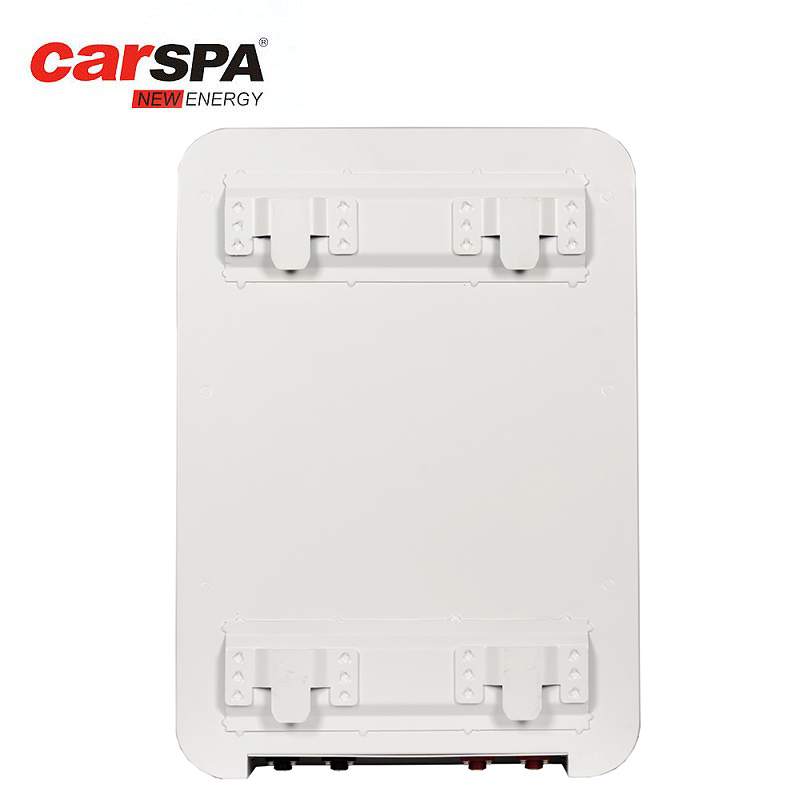
Wall-mounted Energy Storage units are widely used where space efficiency and clean installation are priorities. These systems integrate battery modules and control components into a compact enclosure, making them suitable for locations with limited floor space. Their structured layout simplifies wiring and shortens installation time while maintaining stable performance for daily charge and discharge cycles.
Stackable Energy Storage Systems for Higher Capacity Demands
For applications requiring larger energy reserves, stackable Energy Storage systems provide a modular approach. Individual battery units can be combined vertically or horizontally to increase total capacity without redesigning the entire system. This structure supports phased expansion, allowing systems to grow alongside increasing energy demand or additional generation capacity.
Lithium Iron Phosphate (LiFePO4) Battery Technology
Many modern Energy Storage solutions rely on LiFePO4 battery chemistry due to its balance of safety, longevity, and thermal stability. This technology supports deep cycling and high charge–discharge efficiency, making it well suited for solar-based systems where daily cycling is common. Long cycle life also contributes to predictable performance over extended operational periods.
Integration Within Hybrid Power Architectures
In hybrid systems, Energy Storage acts as a central coordination element between generation sources and loads. By absorbing excess energy and supplying power when generation is insufficient, storage systems help stabilize output and maintain continuity. This integration allows power systems to operate more smoothly under variable conditions while improving overall energy utilization.
Table: Comparison of Common Energy Storage System Configurations
| Energy Storage Configuration | Structural Characteristics | Capacity Expansion Method | Typical Use Scenario | Key Advantages |
| Wall-Mounted Energy Storage | Compact enclosure, integrated battery and control modules | Fixed capacity, limited expansion | Space-constrained installations | Clean installation, simple wiring, efficient daily cycling |
| Stackable Energy Storage | Multi-layer or modular stacked structure | Add battery modules incrementally | Systems with growing energy demand | Scalable capacity, flexible deployment, long-term adaptability |
| Single-Battery Storage Unit | Standalone battery configuration | No modular expansion | Basic energy buffering needs | Simple structure, easy integration |
| Modular Battery System | Independent battery modules with unified management | Linear or parallel expansion | Hybrid or evolving power systems | High flexibility, easier maintenance, reduced downtime |
How Do Modular and Scalable Energy Storage Designs Improve System Flexibility?
As power systems evolve, flexibility has become just as important as capacity. Modular and scalable Energy Storage designs address this need by allowing systems to adapt over time without major structural changes, making them suitable for a wide range of operating conditions.
Modular Architecture for Incremental Expansion
Modular Energy Storage systems are built from standardized battery units that can operate independently or as part of a larger system. This architecture enables capacity to be added step by step, aligning system growth with actual energy demand. Instead of oversizing the system at the initial stage, operators can expand storage capacity when usage patterns change.
Scalability for Diverse Load Profiles
Different applications place different demands on Energy Storage. Scalable designs allow systems to support varying load profiles by adjusting the number of battery modules in operation. This adaptability ensures that energy delivery remains balanced, whether the system is handling steady base loads or fluctuating peak demands.
Simplified Maintenance and System Upgrades
Modular Energy Storage also improves serviceability. Individual battery modules can be inspected, serviced, or replaced without shutting down the entire system. This reduces downtime and supports long-term operational stability. Future upgrades, such as higher-capacity modules or improved control components, can often be integrated with minimal disruption.
Long-Term Planning and Investment Efficiency
By enabling phased deployment and controlled expansion, scalable Energy Storage designs help optimize long-term planning. Systems remain aligned with real-world energy usage while preserving investment flexibility, ensuring that storage capacity grows in step with evolving system requirements.
What Key Factors Define the Performance and Reliability of an Energy Storage System?
The effectiveness of an Energy Storage system is not determined by capacity alone. Long-term performance and operational reliability depend on a combination of technical, structural, and management-related factors that work together throughout the system’s lifecycle.
Battery Chemistry and Cycle Life
Battery chemistry directly influences safety, efficiency, and service life. Systems designed for frequent charging and discharging must support stable performance across thousands of cycles. A long cycle life reduces replacement frequency and helps maintain predictable energy availability over time, which is especially important in applications with daily charge–discharge patterns.
System Management and Protection Mechanisms
Reliable Energy Storage systems incorporate comprehensive monitoring and protection functions. These mechanisms oversee voltage balance, temperature control, and charge–discharge limits to prevent abnormal operating conditions. Effective management helps extend battery life while ensuring that stored energy can be released safely and consistently.
Structural Design and Thermal Stability
Physical structure plays a key role in system reliability. Well-designed enclosures support heat dissipation, protect internal components, and maintain operational stability under continuous load. Proper thermal management minimizes stress on battery cells and contributes to consistent output performance across varying environmental conditions.
Compatibility With Power Generation and Loads
An Energy Storage system must integrate smoothly with upstream power sources and downstream loads. Compatibility ensures efficient energy transfer, reduces conversion losses, and allows the system to respond accurately to changing power demands. This alignment improves overall system efficiency and supports long-term operational reliability.
Conclusion
Energy Storage is no longer simply a supporting component—it is a core element in modern power system design. By enabling energy capture, structured storage, and controlled release, Energy Storage systems improve power continuity, enhance efficiency, and provide the flexibility needed for evolving energy architectures.
From compact wall-mounted units to scalable stacked systems, modern Energy Storage solutions support both immediate operational needs and long-term system planning. Through careful selection of battery technology, modular design, and intelligent management, Energy Storage creates a stable foundation for efficient and reliable energy utilization.
At the system level, well-engineered Energy Storage solutions from CARSPA reflect this integrated approach—combining safety, scalability, and long service life to support dependable energy management across a wide range of applications.


.jpg)


.jpg)
.jpg)
.jpg)
.jpg)
.jpg)

.jpg)

.jpg)
.jpg)
.jpg)
.jpg)
.jpg)