
What Is Energy Storage and How Does It Work?
Introduction
Energy Storage refers to the ability to capture energy at the moment it is generated and preserve it for use at a later time. In modern energy systems, this concept has become increasingly important as power generation and power consumption no longer occur simultaneously. Renewable sources such as solar energy produce electricity based on natural conditions, while actual demand often follows a different time pattern.
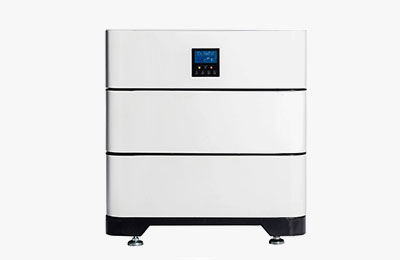
Without an effective energy storage solution, excess energy generated during peak production periods may be wasted, while energy shortages can occur when generation drops. Energy storage addresses this imbalance by acting as a buffer between energy supply and energy demand, allowing systems to operate more smoothly and predictably over time.
Beyond simple backup power, energy storage now plays an active role in power management. It supports load balancing, improves energy utilization efficiency, and enhances system stability in both standalone and grid-connected environments. As energy systems continue to evolve toward decentralization and flexibility, understanding how energy storage works has become essential for designing reliable and adaptable power infrastructures.
What Is Meant by Energy Storage in Modern Energy Systems?
In modern power architectures, energy storage refers to the practice of preserving energy so it can be used at a different time from when it is generated. Rather than requiring electricity to be consumed immediately, this approach allows power to be retained and dispatched based on actual demand conditions.

At a fundamental level, the concept focuses on time flexibility. Power generation and power consumption rarely follow the same schedule, especially in systems that rely on renewable sources. By separating production from usage, stored energy becomes a controllable resource instead of a momentary output.
Separating Energy Generation from Energy Consumption
In traditional power systems, electricity is produced and consumed almost simultaneously. Modern systems, however, increasingly depend on sources whose output varies throughout the day. By retaining surplus power when generation exceeds demand, stored energy can later be supplied when production drops or usage increases.
Converting Electricity into a Storable Form
To preserve power effectively, electrical energy must be converted into a stable form. In battery-based systems, this is typically achieved through electrochemical processes that transform electricity into chemical energy. This conversion allows power to remain available without continuous input from the generation source.
Delivering Power When It Is Actually Needed
When demand rises or generation becomes limited, the stored energy is converted back into usable electricity. This controlled release ensures that power availability aligns with real operating conditions, rather than being constrained by generation timing alone.
Supporting Stability at the System Level
Beyond time shifting, stored power plays an important role in overall system stability. It helps smooth sudden load changes, reduces fluctuations, and supports consistent voltage behavior. As a result, systems equipped with storage operate more predictably and place less stress on upstream power sources.
Table: Key Concepts That Define Energy Storage
| Aspect | Description | Why It Matters |
| Energy Capture | Energy is collected at the time it is generated rather than when it is consumed | Prevents energy waste during peak generation periods |
| Energy Storage Medium | Electrical energy is converted into a stable form, such as chemical energy in batteries | Enables safe and long-term energy retention |
| Energy Release | Stored energy is converted back into usable power when demand increases | Ensures power availability beyond generation hours |
| Time Shifting | Energy use is separated from energy generation in time | Aligns power supply with real usage patterns |
| System Stability | Storage smooths fluctuations in generation and load | Improves reliability and power qual |
How Does Energy Storage Capture and Release Energy at Different Times?
The energy storage systems operate by managing the flow of energy across different time periods. Their core function is not only to store electricity, but to regulate when and how that stored energy is absorbed and delivered back into the system. This time-shifting capability is what makes energy storage a critical component in modern power architectures.
Energy Conversion During the Charging Process
When energy is available—such as during peak solar generation—an energy storage system converts electrical energy into a storable form. In battery-based systems, this involves electrochemical reactions that transform electrical input into chemical energy. This process allows large amounts of energy to be stored efficiently without continuous power loss.
Controlled Storage for Long-Term Availability
Once energy is stored, the system maintains it in a stable state until it is required. Advanced energy storage designs focus on minimizing self-discharge, managing temperature, and maintaining balanced cell performance. These factors help preserve stored energy over extended periods while ensuring consistent output quality.
Energy Release Through Inversion and Power Regulation
When demand rises or generation decreases, the stored energy is converted back into usable electrical power. This discharge process is carefully controlled to match voltage, current, and power requirements of connected loads. Through regulated energy release, storage systems help prevent sudden voltage drops and reduce stress on other power sources.
Synchronizing Supply and Demand
By capturing energy at one moment and releasing it at another, energy storage creates a smoother relationship between supply and demand. This synchronization improves overall system efficiency, reduces energy waste, and enables more predictable power availability across varying operating conditions.
What Types of Energy Storage Technologies Are Commonly Used Today?
Energy storage technologies vary based on how energy is stored, converted, and released. Each approach is designed to address specific system requirements such as response speed, storage duration, scalability, and operating environment. Understanding these technologies helps clarify why certain energy storage solutions are better suited to modern distributed and renewable-based systems.
Electrochemical Energy Storage Systems
Electrochemical storage is the most widely adopted energy storage method today. It stores electrical energy through reversible chemical reactions inside battery cells. This approach offers high efficiency, flexible capacity scaling, and fast response times, making it suitable for both short-term power smoothing and long-duration energy storage.
Lithium-Based Battery Technologies
Among electrochemical options, lithium-based batteries have become dominant due to their high energy density and stable performance. Lithium iron phosphate (LiFePO4) batteries, in particular, are known for their thermal stability, long cycle life, and consistent discharge characteristics. These features make them well-suited for systems that require frequent charging and discharging over extended operational lifetimes.
Modular and Expandable Storage Architectures
Modern storage systems increasingly adopt modular designs. Instead of relying on a single large battery unit, storage capacity can be built by combining multiple modules. This architecture allows systems to scale gradually as energy demand grows, while also simplifying maintenance and capacity planning.
Distributed Storage Configurations
Rather than centralizing all stored energy in one location, distributed storage places energy storage closer to generation sources or consumption points. This configuration reduces transmission losses, improves response speed, and enhances system resilience by avoiding single points of failure.
Why Is Energy Storage Essential for Solar-Based and Distributed Power Systems?
Solar-based and distributed power systems generate electricity based on environmental conditions rather than real-time demand. This fundamental mismatch makes energy storage a necessary component rather than an optional addition. Without storage, even high-efficiency generation systems can struggle to deliver reliable and continuous power.
Managing Intermittent Energy Generation
Solar energy production fluctuates throughout the day and is affected by weather conditions. Energy storage absorbs excess electricity during periods of strong generation and holds it until generation decreases. This buffering effect allows power systems to operate independently of short-term environmental changes.
Enabling Energy Use Beyond Generation Hours
In many applications, energy consumption continues long after solar generation has stopped. Energy storage bridges this gap by supplying stored power during evenings, nighttime, or low-generation periods. This time-shifted energy use significantly improves the practicality of solar-based systems.
Improving Power Stability in Distributed Systems
Distributed power systems often serve loads that are sensitive to voltage and frequency variations. Stored energy helps stabilize output by smoothing sudden load changes and reducing power fluctuations. This contributes to more consistent power quality and improved operational reliability.
Reducing Dependence on External Power Sources
By storing locally generated energy, systems can reduce reliance on external grids or auxiliary generators. This enhances energy autonomy and allows distributed systems to maintain operation even when upstream power sources are unstable or unavailable.

How Do Modular and Scalable Energy Storage Systems Support Different Capacity Needs?
Energy storage requirements vary widely depending on load size, usage patterns, and system expansion plans. Modular and scalable energy storage systems address this diversity by allowing capacity to be configured, expanded, and adapted without redesigning the entire power system.
Adapting Storage Capacity to Real Demand
Instead of oversizing a single large battery from the beginning, modular energy storage enables capacity to be matched to actual demand. Systems can start with a base storage level and expand gradually as energy usage increases. This approach improves planning flexibility and reduces unnecessary initial investment.
Wall-Mounted Energy Storage for Compact Installations
Wall-mounted energy storage units are designed for environments where space efficiency and clean integration are important. These systems provide a balanced combination of capacity, accessibility, and ease of installation. Their compact form makes them suitable for distributed solar systems and localized power management applications.
Stackable Energy Storage for Higher Capacity Requirements
Stackable storage systems are built for applications that require larger energy reserves. By combining multiple battery layers into a structured stack, capacity can be increased while maintaining organized power management. This layered design supports long-term scalability and simplifies future system upgrades.
Long Cycle Life and Operational Reliability
Modern modular energy storage systems emphasize durability and consistent performance. Long cycle life, stable discharge characteristics, and advanced battery management contribute to reliable operation across thousands of charge–discharge cycles. These features are essential for systems expected to operate continuously over many years.
Conclusion
Energy storage transforms how energy is generated, managed, and consumed. By capturing energy when it is available and releasing it when it is needed, energy storage enables power systems to operate with greater flexibility, stability, and efficiency. From basic time-shifting to advanced modular configurations, energy storage has become a foundational element of modern energy system design.
Solutions such as wall-mounted and stackable energy storage systems built on lithium iron phosphate technology reflect this evolution by combining safety, scalability, and long service life. CARSPA continues to develop energy storage solutions that align with these principles, supporting reliable and adaptable energy management across a wide range of applications.


.jpg)

.jpg)
.jpg)
.jpg)
.jpg)
.jpg)


.jpg)

.jpg)
.jpg)
.jpg)
.jpg)
.jpg)