Why Is Choosing the Right Solar Charge Controller (PWM or MPPT) Crucial for Stable and Efficient Solar Power Systems?
Introduction
In today's renewable energy landscape, solar power systems have become one of the most reliable and sustainable solutions for residential, commercial, and industrial applications. However, the true efficiency and stability of a solar energy system depend not only on the quality of solar panels or batteries but also on an often-overlooked component — the solar charge controller.
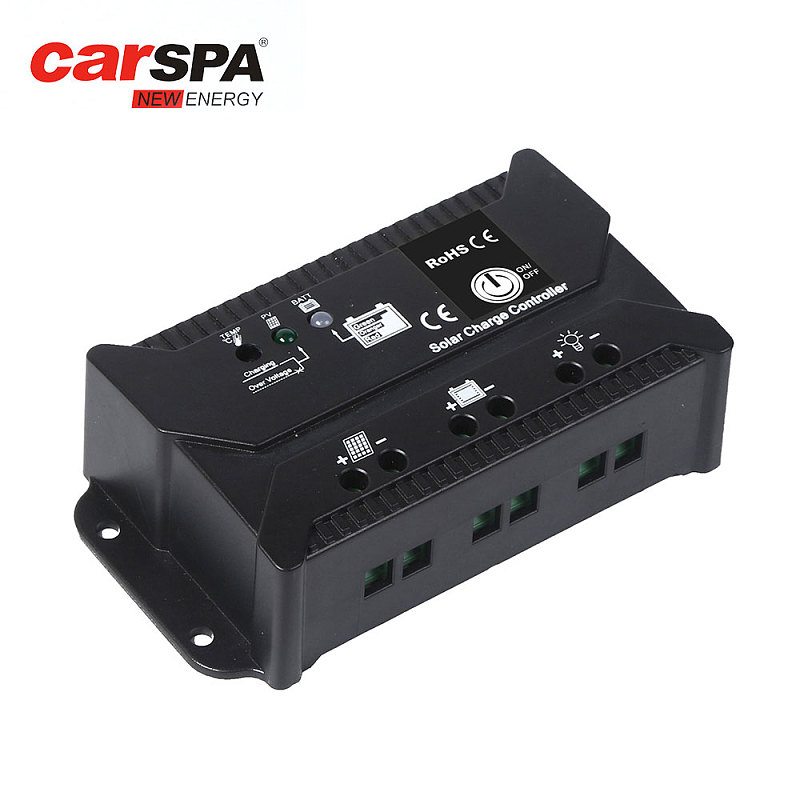
A solar charge controller serves as the “brain” of the solar power system, managing the flow of electricity from photovoltaic (PV) panels to the battery bank. Its primary job is to regulate voltage and current, preventing overcharging and deep discharging that could damage the batteries or reduce their lifespan. Without a properly selected controller, even high-end solar panels may fail to deliver their full potential output.

Among the available technologies, PWM (Pulse Width Modulation) and MPPT (Maximum Power Point Tracking) are the two main types of controllers widely used today. Each type has its own control mechanism, efficiency level, and ideal application scenario. Understanding their differences is crucial for designing a solar system that performs efficiently under varying sunlight and environmental conditions.
This article explores how choosing the right type of solar charge controller — whether PWM or MPPT — directly impacts system stability, energy conversion efficiency, and long-term performance.
What Role Does a Solar Charge Controller Play in a Solar Power System?

A solar charge controller acts as a critical link between the solar panels and the battery storage system. Its main function is to regulate the voltage and current from the photovoltaic (PV) array to ensure that the batteries are charged safely and efficiently. Without it, excessive voltage could damage battery cells, while insufficient charging could shorten their lifespan and reduce system reliability.
Regulating Power Flow
When sunlight hits the PV panels, they generate DC electricity. However, the voltage output from panels fluctuates throughout the day — peaking under intense sunlight and dropping during cloudy periods. The controller stabilizes this output, ensuring that the charging process remains within the safe operating range of the battery bank.
Protecting Batteries from Overcharge and Deep Discharge
One of the most important roles of a solar charge controller is to prevent overcharging, which can lead to battery overheating, electrolyte loss, and permanent damage. Likewise, during periods of low sunlight or high load, it protects against deep discharge, automatically cutting off power when voltage drops below safe levels.
Enhancing Overall System Efficiency
By ensuring a balanced and consistent energy flow, a well-configured controller not only protects components but also enhances the system's conversion efficiency. In modern solar installations, this is the difference between a setup that simply functions and one that operates optimally year after year.
What Are the Main Differences Between PWM and MPPT Controllers?
When choosing a solar charge controller, the key decision lies between PWM (Pulse Width Modulation) and MPPT (Maximum Power Point Tracking) technologies. Both perform the same fundamental task — managing power flow — but they do so using very different methods, resulting in distinct performance outcomes.

PWM: Simple, Reliable, and Cost-Effective
PWM controllers operate by rapidly switching the connection between the solar panel and battery on and off to maintain a stable voltage. This technique is simple and dependable, making PWM units suitable for small-scale or budget-conscious systems. However, because they do not adjust for panel voltage fluctuations, energy efficiency is typically limited to 70–80%.
PWM controllers are most effective in systems where the panel voltage closely matches the battery voltage — such as 12 V or 24 V off-grid applications used in lighting, water pumps, or small cabins.
MPPT: Intelligent, High-Efficiency Power Optimization
MPPT controllers use advanced algorithms to continuously track the maximum power point of solar panels, ensuring that the system extracts the highest possible energy output under all sunlight conditions. Their efficiency often exceeds 95%, making them ideal for larger installations or regions with varying weather.
In essence, an MPPT controller acts like a smart converter — it can step down high panel voltage while increasing the charging current, maximizing overall energy harvest.
Comparison Overview
| Feature | PWM Controller | MPPT Controller |
| Efficiency | 70–80% | 95–99% |
| Cost | Lower | Higher |
| Ideal Application | Small off-grid systems | Medium-to-large solar systems |
| Technology | Simple switching | Smart tracking algorithm |
| Performance in Low Light | Limited | Excellent |
The right choice depends on system size, budget, and environmental conditions — not simply on price.
How Does the Controller Impact Battery Performance and System Reliability?
A solar power system's efficiency and lifespan depend heavily on how well its energy storage — the battery bank — is managed. The solar charge controller serves as the battery's guardian, ensuring that every charge and discharge cycle operates safely, efficiently, and within design limits. Poor regulation can lead to battery degradation, capacity loss, or even system failure. A properly selected and configured controller, however, can extend battery life, enhance reliability, and improve the long-term economics of the entire solar installation.
Battery Charging Stages: Precision for Longevity
Most modern solar charge controllers use multi-stage charging algorithms to optimize the charging process according to the battery's condition. Typically, these include Bulk, Absorption, and Float stages:
Bulk Charging – During this phase, the controller delivers maximum current to rapidly charge the battery until it reaches a set voltage threshold.
Absorption Stage – Once the voltage reaches the absorption level, the controller reduces current gradually to prevent overcharging, ensuring the battery is filled completely and evenly.
Float Charging – After full charge, the controller maintains a steady, lower voltage to keep the battery topped up without stressing it.
Some high-end controllers (especially MPPT types) even include equalization charging, which periodically balances cell voltages in lead-acid batteries to prevent sulfation. This level of control is critical to maintaining battery health over years of operation.
Overcharge and Deep-Discharge Protection
Overcharging and deep discharging are among the most common causes of premature battery failure.
A good solar charge controller prevents overcharge by cutting off power flow from the solar array once the battery reaches its maximum voltage limit. Similarly, when the battery's voltage drops too low, it disconnects the load to prevent deep discharge — a condition that can permanently reduce capacity.
This intelligent regulation keeps the battery operating within its safe state of charge (SOC) window, ensuring predictable performance and stability even in fluctuating solar conditions.
Temperature Compensation for Accurate Charging
Battery charging voltage is highly sensitive to temperature. In cold environments, higher voltages are required to achieve a full charge, while in hot climates, excessive voltage can lead to gassing and water loss in flooded batteries.
Many professional-grade controllers feature temperature sensors that automatically adjust charging parameters according to real-time temperature readings. This function — known as temperature compensation — is particularly vital for installations in regions with extreme seasonal or daily temperature variations, ensuring the system remains reliable year-round.
Stabilizing Power Output and Load Management
Beyond protecting batteries, a solar charge controller plays a major role in system stability. By constantly monitoring battery voltage and solar input, it can smooth out fluctuations in output voltage to provide consistent power to connected loads such as inverters, pumps, or lighting systems.
In advanced MPPT controllers, real-time maximum power tracking allows them to adapt instantly to changing irradiance levels — for example, when clouds pass over the PV array — keeping the voltage and current balanced. This prevents sudden drops or spikes that could harm sensitive electronics.
For off-grid and hybrid solar systems, this capability is crucial to maintaining steady and uninterrupted energy supply, even during unpredictable weather or variable demand conditions.
Reducing Maintenance and Improving Return on Investment (ROI)
Proper battery management through a high-quality charge controller significantly reduces maintenance requirements. Since the controller minimizes stress on the battery and improves charging accuracy, users experience fewer replacements, less downtime, and lower lifecycle costs.
In the long run, an efficient solar charge controller can extend battery life by 25–40%, meaning the initial investment pays off over time through enhanced reliability and reduced operational costs.
A stable and well-managed battery system also ensures that power availability remains consistent, which is especially critical in industrial, agricultural, or telecommunication applications where reliability directly affects productivity.
What Factors Should Be Considered When Selecting a Solar Charge Controller?
Choosing the right solar charge controller is not only a matter of matching voltage and current ratings — it's a strategic decision that determines how efficiently your entire solar power system will perform. Different applications, climates, and power scales require controllers with specific electrical, structural, and communication features. A thoughtful selection process ensures maximum energy utilization, minimal maintenance, and long-term reliability.
1. Matching System Voltage and Current Capacity
Every solar system operates within a defined voltage range, typically 12V, 24V, or 48V for small to medium systems and higher for industrial setups. The controller must be compatible with both the PV array voltage and the battery bank voltage.
Voltage Matching: If the PV voltage exceeds the controller's rated input, it may cause irreversible damage. MPPT controllers, however, allow a wider input range and can down-convert higher voltages efficiently.
Current Rating: The controller's rated current should always exceed the maximum charging current from the PV panels — usually with a 25–30% safety margin to handle peak irradiance and temperature variations.
Incorrect voltage or current sizing can lead to energy loss, overheating, or frequent cutoffs, drastically reducing system performance.
2. System Type: Off-Grid, Hybrid, or Grid-Tied
The type of system also influences controller selection.
Off-Grid Systems: Require robust protection, stable charging, and intelligent load management. Both PWM and MPPT controllers are suitable, depending on scale and budget.
Hybrid Systems: Often combine solar with grid or generator inputs. MPPT controllers with data communication ports (RS485/RS232/Modbus) allow seamless integration with hybrid inverters.
Grid-Tied Backup Systems: Focus on efficiency and remote monitoring. Smart MPPT controllers with logging and monitoring software are ideal in such setups.
Choosing a controller that matches your system architecture ensures smoother operation and better energy coordination.
3. Environmental Durability and Protection Rating
Solar controllers are often installed outdoors or in partially sheltered environments, where they face heat, dust, and moisture. Therefore, durability and protection level are crucial.
Look for controllers with at least IP65 protection or higher, ensuring dust-tight and water-resistant enclosures.
Cooling and ventilation design matter too: passive heat dissipation (via aluminum casing) or active cooling (via fans) helps prevent thermal stress.
In regions with extreme temperature variations, controllers rated for –25°C to +60°C ensure reliability even in harsh conditions.
A rugged enclosure not only extends device lifespan but also safeguards internal components against corrosion and condensation.
4. Display, Control Interface, and Monitoring Capabilities
Modern solar charge controllers go beyond simple voltage regulation — they act as smart energy managers.
LCD/LED Displays: Allow users to view real-time data such as PV input voltage, charging current, and battery status.
Communication Ports: Controllers with RS485, Bluetooth, or Wi-Fi interfaces support remote monitoring and configuration via PC or mobile app.
Data Logging: For professional or industrial installations, built-in data storage helps track long-term performance and detect anomalies early.
Such smart capabilities enhance operational visibility and simplify system maintenance, especially in distributed or remote sites.
5. Compatibility and Expandability
A forward-thinking solar design anticipates system growth. If additional panels or batteries might be added later, the charge controller should support parallel expansion or network communication among multiple units.
Some advanced MPPT models allow multi-controller synchronization, ensuring even energy distribution and stable communication when scaling up the system.
Additionally, compatibility with various battery chemistries — such as AGM, GEL, LiFePO₄, or flooded lead-acid — increases flexibility for system upgrades in the future.
6. Brand Reliability and After-Sales Support
Beyond technical parameters, the reliability of the manufacturer plays a key role. A well-established brand provides:
Proven track records in real-world applications
Comprehensive protection mechanisms (overcurrent, reverse polarity, surge protection)
Technical support and firmware updates for evolving energy standards
In the long term, reliable brands reduce maintenance uncertainty and ensure that replacement parts or accessories remain available.
Selecting a solar charge controller should never be a random or purely cost-driven decision. A carefully chosen controller ensures optimal charging, system safety, and scalability, directly translating into better performance and long-term energy savings.
How Do Advanced Controllers Enhance System Efficiency and Long-Term ROI?
As solar technology evolves, the solar charge controller has transformed from a simple regulator into a smart energy management device that actively improves overall system performance. Modern controllers — particularly those based on MPPT (Maximum Power Point Tracking) technology — integrate intelligent algorithms, real-time data monitoring, and flexible control logic. These advancements not only increase energy harvest but also reduce long-term operating costs, giving users a higher return on investment (ROI) and a more sustainable power solution.
1. Intelligent MPPT Algorithms: Maximizing Energy Harvest
One of the most valuable innovations in modern controllers is the Maximum Power Point Tracking function. MPPT controllers continuously analyze the voltage and current output of solar panels to determine the optimal power point, where voltage and current multiply to produce the maximum possible power.
Unlike PWM units that lock panel voltage to the battery voltage, MPPT controllers dynamically adjust parameters, often improving energy capture by 20% to 40% — especially under these conditions:
Low sunlight or cloudy weather when voltage fluctuates frequently
Cold environments, where panel voltage tends to rise significantly
Long cable distances, which cause voltage drops that MPPT can compensate for
By operating at the ideal power point throughout the day, MPPT controllers ensure that no watt of solar energy goes to waste, directly increasing system output and daily energy yield.
2. Real-Time Monitoring and Data Management
Modern controllers are equipped with advanced communication interfaces — such as RS485, CAN, Bluetooth, or Wi-Fi — enabling seamless integration with monitoring software and mobile apps. Through these systems, users can:
View live data for PV input voltage, current, battery SOC, and load output
Track energy generation history and identify performance trends
Receive alerts for abnormal conditions (overload, over-temperature, reverse polarity, etc.)
Remotely adjust charging parameters for different battery types
This data-driven management capability allows for proactive maintenance, ensuring small issues are detected before they cause system downtime. For large or distributed solar systems — such as telecom towers, agricultural pumps, or off-grid power stations — centralized data control can save thousands of dollars in service and maintenance costs each year.
3. Smart Load Control and System Optimization
Beyond managing energy input, advanced controllers also handle energy distribution and load prioritization. They can automatically disconnect non-critical loads when battery voltage is low, preserving power for essential systems. Some high-end MPPT units feature programmable timers, allowing customized energy usage schedules — for instance, powering irrigation pumps during daylight and switching to lighting loads after sunset.
These intelligent functions help maintain system stability while optimizing energy use, ensuring consistent performance even under variable energy conditions.
Additionally, when connected to hybrid systems (solar + wind + generator or grid backup), the controller synchronizes power flow to prevent energy conflicts and overloading — a crucial capability for industrial or remote infrastructure.
4. Integration with IoT and Smart Energy Platforms
The latest generation of solar charge controllers is designed with the Internet of Things (IoT) in mind. Through cloud-based monitoring, they can connect to smart energy management platforms that use AI to:
Predict energy consumption patterns
Optimize charging schedules based on weather forecasts
Auto-adjust parameters to balance system load and reduce waste
Such intelligent integration enables a transition from passive solar systems to active, self-optimizing power networks. For enterprises managing multiple solar installations across different regions, this provides a powerful tool for centralized control and energy efficiency benchmarking.
5. Longevity, Reliability, and Financial Return
Investing in a high-quality, intelligent MPPT controller may cost more upfront, but the long-term financial benefits far outweigh the initial expense.
Higher Efficiency: 20–40% more power generation per day means faster system payback.
Extended Battery Life: Optimal charging and temperature compensation reduce replacement frequency.
Reduced Maintenance: Early warnings and remote management minimize on-site inspections.
Improved Reliability: Stable voltage output protects downstream devices like inverters and pumps.
When viewed over a typical 10–15 year solar lifecycle, the savings on energy, maintenance, and replacement easily justify the investment, making advanced controllers the backbone of a financially sustainable solar system.
6. The Future of Solar Charge Controllers
The industry trend is clearly moving toward smarter, more connected controllers that combine efficiency with intelligence. Features such as auto-firmware upgrades, mobile connectivity, predictive diagnostics, and AI-driven optimization are becoming standard in next-generation devices.
These innovations align perfectly with the global movement toward sustainable, digitalized energy ecosystems — where each component of the system communicates, learns, and adapts for maximum efficiency.
As solar systems become larger and more integrated, advanced controllers are not just an accessory but a strategic component that drives reliability, scalability, and performance excellence.
Conclusion
In a solar energy system, every component plays an important role — but the solar charge controller remains the key to unlocking stable, efficient, and long-lasting performance. Understanding the difference between PWM and MPPT technologies allows users to make informed decisions that suit their operational goals, climate conditions, and budget.
A properly selected controller ensures efficient power conversion, extended battery life, and dependable energy delivery — whether for residential systems, industrial operations, or remote installations.
For users seeking reliability, intelligent monitoring, and advanced MPPT efficiency, CARSPA offers a comprehensive range of solar charge controllers designed for modern solar energy applications — combining innovation, durability, and real-world performance to ensure that every ray of sunlight is converted into dependable power for years to come.