
Why Is a PWM Controller Essential for Outdoor Solar and Battery Applications? 5 Critical Questions Answered
Introduction
In today's outdoor energy systems, stability and efficiency are the foundation of reliable performance. Whether it is powering outdoor lighting, supporting remote monitoring equipment, or maintaining solar and battery storage setups, every application requires a device that can effectively regulate voltage and current. This is where the PWM controller (Pulse Width Modulation controller) becomes a key solution.
By adjusting the flow of current and managing battery charging and discharging, a PWM controller not only helps extend battery life but also ensures consistent performance under changing outdoor conditions. Factors such as sunlight intensity, temperature variations, and humidity can all affect power systems, yet a PWM controller keeps energy delivery stable and balanced, preventing unnecessary losses.

As outdoor applications demand higher levels of efficiency and long-term reliability, the PWM controller has evolved beyond a simple power regulator. It has become an essential component that reduces operational costs, improves adaptability in harsh environments, and safeguards the overall performance of outdoor systems.
What Is a PWM Controller and How Does It Work Outdoors?
A PWM controller (Pulse Width Modulation controller) is a power management device designed to regulate the flow of energy between a power source, such as a solar panel, and a storage unit, like a battery. Its primary function is to adjust voltage and current by rapidly switching the power on and off in controlled pulses, ensuring that connected devices receive the right amount of energy without overcharging or wasting power.
Basic Working Principle
At its core, a PWM controller controls the duty cycle of electrical pulses—the proportion of time the current is allowed to flow. By modulating this pulse width, the controller fine-tunes the charging process. Instead of a constant, uncontrolled flow of electricity, the battery or connected device receives carefully measured energy bursts that match its actual needs.
Outdoor Operating Conditions
When used in outdoor environments, a PWM controller plays a critical role in adapting to fluctuating inputs. For example, sunlight intensity varies throughout the day, especially in regions where cloud cover or seasonal changes affect solar generation. The controller adjusts the charging current accordingly, protecting batteries from overvoltage during peak sunlight and preventing deep discharges at night.
Key Benefits in Outdoor Use
Energy Optimization: By delivering the precise current required, the controller reduces waste and maximizes system efficiency.
Battery Protection: Proper charge management extends battery life, which is crucial in outdoor setups where replacement and maintenance can be costly.
System Stability: Even under sudden weather changes, the controller helps maintain consistent output, ensuring outdoor equipment runs smoothly.
In short, a PWM controller provides the intelligence and adaptability necessary for power systems to thrive in outdoor conditions, where energy demand and environmental factors are constantly changing.

Why Is a PWM Controller Important for Outdoor Solar and Battery Systems?
Outdoor solar and battery systems rely heavily on efficient energy conversion and reliable power regulation. A PWM controller is essential because it acts as the central manager of the charging and discharging process, ensuring that energy is used wisely and stored safely.
Role in Solar Power Management
In solar systems, the energy output is never constant. Sunlight intensity changes throughout the day, and weather conditions can fluctuate rapidly. A PWM controller continuously regulates the charging current so that the battery receives a stable flow of energy. This prevents overheating during peak sunlight and ensures that every watt generated by the solar panel is utilized effectively.
Importance for Battery Longevity
Batteries are among the most expensive components in outdoor power systems, and their lifespan directly affects overall system cost. Without proper regulation, batteries can be overcharged or deeply discharged, leading to permanent damage. A PWM controller applies a multi-stage charging process—bulk, absorption, and float—that protects the battery from stress and extends its service life.
Reliable Performance in Remote Areas
For outdoor setups located in remote or off-grid regions, reliability is critical. A PWM controller minimizes the risks of system failure by maintaining a balanced energy flow even under unstable conditions. This is particularly important for applications like agricultural irrigation, outdoor surveillance, and off-grid cabins where downtime can be disruptive and costly.
Cost-Effective and Practical
Compared to more advanced technologies, a PWM controller offers a simpler, cost-effective solution for small to medium-sized outdoor solar and battery systems. It balances performance and affordability, making it a practical choice where budgets must be managed carefully.
In essence, a PWM controller is not just a technical accessory—it is a cornerstone of outdoor solar and battery systems, safeguarding investment, improving efficiency, and ensuring long-term energy availability.
How Can a PWM Controller Enhance Efficiency and Reliability in Outdoor Applications?
Efficiency and reliability are the two most critical requirements for any outdoor energy system. A PWM controller directly contributes to both by optimizing energy use, protecting system components, and ensuring that power delivery remains stable even under unpredictable conditions.
Improving Energy Efficiency
By regulating the current flow in real time, a PWM controller reduces unnecessary energy losses. Instead of allowing solar panels to push unregulated power into the battery, the controller ensures that the charging voltage is kept within safe and efficient levels. This means more usable energy is stored and less is wasted, which is especially valuable in areas with limited sunlight hours.
Enhancing System Reliability
Outdoor applications often face harsh conditions—heat, cold, humidity, or sudden weather changes. A PWM controller helps stabilize power output, protecting sensitive devices from voltage spikes or drops. This consistency is vital for systems like outdoor lighting, agricultural irrigation pumps, and remote monitoring equipment, where uninterrupted operation is non-negotiable.
Reducing Maintenance Needs
Unregulated charging can lead to battery damage, frequent replacements, and higher maintenance costs. A PWM controller minimizes these issues by extending battery lifespan and reducing stress on connected equipment. For outdoor projects located in remote areas, fewer maintenance trips translate directly into lower operational expenses and higher reliability.
Adaptability to Outdoor Environments
Different outdoor applications require flexible solutions. A PWM controller can adapt to varying input conditions—whether sunlight is strong, weak, or intermittent—making it suitable for multiple outdoor use cases. Its simple design also makes installation straightforward, which is beneficial when working in challenging environments.
In short, a PWM controller enhances both efficiency and reliability by ensuring that every unit of power generated is put to effective use while protecting system components from failure.
Where Can PWM Controllers Be Applied in Outdoor Scenarios?
The versatility of a PWM controller makes it suitable for a wide range of outdoor applications. From powering essential systems in rural areas to supporting modern outdoor projects, it ensures that energy is used efficiently and devices remain reliable under different conditions.
Outdoor Lighting Systems
Streetlights, garden lighting, and remote area illumination often depend on solar-powered setups. A PWM controller regulates the charging and discharging cycles of batteries that store solar energy, ensuring lights remain operational throughout the night. By preventing overcharging during the day and deep discharging at night, it keeps outdoor lighting consistent and dependable.
Agricultural and Irrigation Equipment
In farming and irrigation, reliable water pumping and system control are critical. A PWM controller stabilizes the power supply for pumps and monitoring devices, helping them operate smoothly even when solar input fluctuates. This improves efficiency while reducing costs for farmers who depend on renewable energy sources.
Remote Power Supply and Off-Grid Applications
In off-grid cabins, remote monitoring stations, and rural communities, dependable energy systems are essential. A PWM controller ensures that batteries are charged correctly and that power delivery remains stable. This makes it possible to run communication devices, small appliances, and other equipment reliably in areas without grid access.
Outdoor Recreation and Portable Energy Systems
For outdoor activities such as camping, mobile workstations, or RV systems, PWM controllers provide stable energy management. They help keep batteries charged for lighting, fans, and portable electronics, enhancing comfort and safety during outdoor use.
Integration With Solar Systems
Wherever solar energy is used outdoors, a PWM controller plays a central role in managing the charging process. It helps balance performance, cost, and simplicity, making it an ideal solution for small to medium-sized solar applications.
In each of these scenarios, a PWM controller ensures that outdoor systems are not only functional but also efficient and long-lasting, turning renewable energy into a reliable power source.
What Should Buyers Consider When Choosing a PWM Controller for Outdoor Use?
Selecting the right PWM controller for outdoor applications requires careful evaluation of technical specifications, durability, and long-term performance. The wrong choice can lead to inefficiency, higher costs, or even system failure. Here are key factors buyers should keep in mind:
Power and Voltage Range
The PWM controller must match the voltage of the battery system—commonly 12V, 24V, or 48V—and be rated for the maximum current generated by the solar panels. Undersized controllers risk overheating and failure, while oversized models may add unnecessary cost.
Protection and Durability
Outdoor systems face exposure to dust, rain, heat, and humidity. A good PWM controller should have robust housing, high ingress protection (IP) ratings, and built-in safeguards against overcharge, short circuits, and reverse polarity. These features ensure safe operation in harsh conditions.
Charging Stages and Battery Compatibility
Look for controllers that support multi-stage charging (bulk, absorption, float) to maximize battery lifespan. Compatibility with different battery types—such as lead-acid, gel, or lithium—is also important, especially as outdoor projects increasingly adopt newer storage technologies.
Ease of Installation and Monitoring
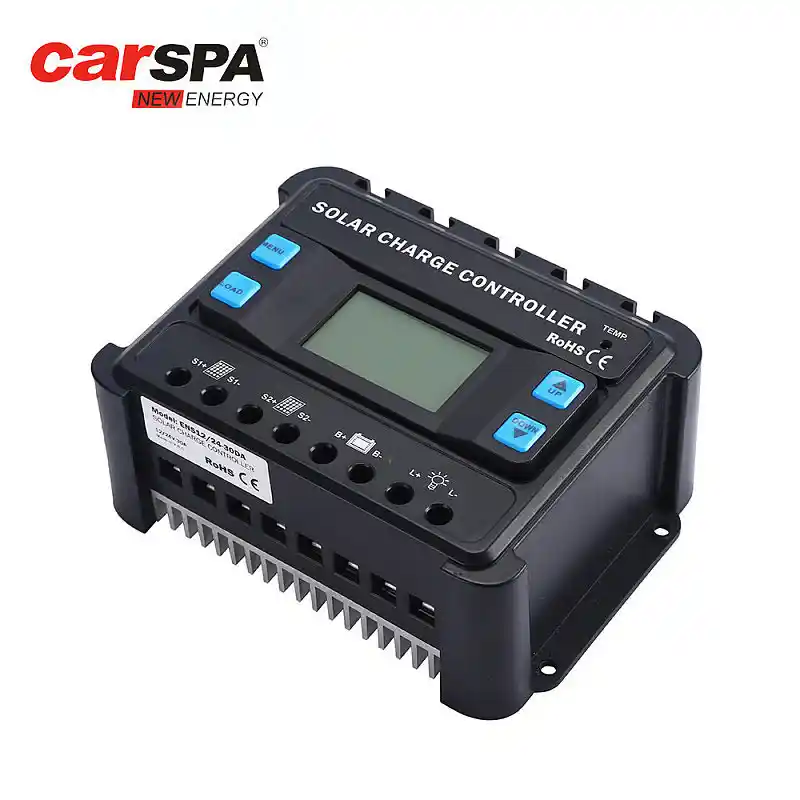
Simple installation and user-friendly interfaces reduce setup time, which is valuable in remote areas. Some PWM controllers include LED indicators or digital displays to show charging status, making it easier to monitor performance without complex tools.
Long-Term Value
While cost is always a factor, buyers should also weigh long-term performance. A reliable controller may reduce battery replacement frequency and maintenance costs, offering better overall value. Choosing a trusted brand with proven outdoor solutions ensures long-lasting benefits.
By considering these aspects, buyers can select a PWM controller that balances cost, performance, and durability, ensuring stable operation in outdoor environments.
Conclusion
In outdoor energy systems, the PWM controller is more than just a regulator—it is the backbone of efficiency, reliability, and long-term stability. From solar lighting to agricultural irrigation and off-grid power supplies, it ensures that energy is used wisely and equipment remains protected against harsh outdoor conditions. By choosing the right controller, businesses and projects can secure dependable power while optimizing costs and system performance.
CARSPA, with its proven expertise in power solutions, offers high-quality PWM controllers designed to meet the demanding needs of outdoor applications.


.jpg)
.jpg)
.jpg)
.jpg)
.jpg)
.jpg)


