Learn

Practical Guide to Choosing the Right Inverter for Your RV

I am Bob, an RV modification expert based in Australia. For many years, I have dedicated myself to providing professional customization services to RV enthusiasts, including upgrading and optimizing electrical systems. Today, I want to share with you some expert advice on how to choose the right inverter for your RV. Whether you are a regular long-distance traveler or an occasional adventurer, selecting the appropriate inverter is crucial for ensuring a reliable power supply in your RV.

Practical Guide to Choosing the Right Inverter for Your RV

Dear RV Enthusiasts,


I am Bob, an RV modification expert based in Australia.

For many years, I have dedicated myself to providing professional customization services to RV enthusiasts, including upgrading and optimizing electrical systems.

Today, I want to share with you some expert advice on how to choose the right inverter for your RV. Whether you are a regular long-distance traveler or an occasional adventurer, selecting the appropriate inverter is crucial for ensuring a reliable power supply in your RV.


1. Understanding the Basics of Inverters

An inverter is a device that converts Direct Current (DC) into Alternating Current (AC).

In an RV, an inverter allows you to use standard electrical appliances such as TVs, microwaves, chargers, etc.


2. Determining Power Requirements

Your choice of inverter should primarily be based on the power requirements of the devices you need to operate.

List all the appliances you want to use and note their maximum power requirements in watts. The total power will help you determine the minimum wattage for the inverter you need.


3. Choosing the Right Type

There are mainly two types of inverters: pure sine wave and modified sine wave.
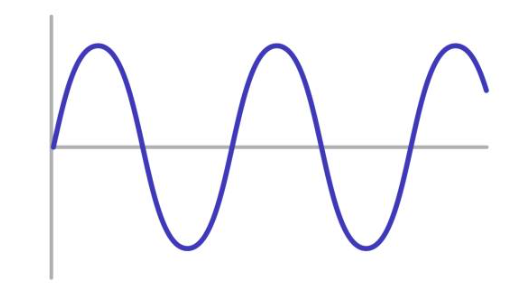
pure sine wave

Pure Sine Wave Inverters: Provide current similar to household supply, suitable for sensitive electronics.

Modified Sine Wave Inverters: Less expensive but may not be suitable for certain devices.

4. Considering Efficiency

The efficiency of an inverter determines how well it can convert electricity.

A higher efficiency means less energy is wasted, so choosing an inverter with high efficiency (typically above 90%) is important.


5. Installation Requirements

Consider where the inverter will be installed.

It should be placed in a well-ventilated, dry area, away from direct sunlight.


6. Additional Features

Overload Protection: Protects the inverter from damage due to overload or short circuit.

Low Voltage Alarm: Alerts you when the battery voltage is too low.

Remote Control: Allows you to monitor and control the inverter remotely.


7. Brand and Warranty

Opt for well-known brands as they generally offer more reliable products and better customer service.

Also, check the warranty period and the type of service provided.


8. Budget Considerations

Determine your budget and find the best options within it.

Remember, the cheapest option may not be the best, but the most expensive may not be the most suitable either.


9. User Reviews

Reading reviews from other RV users can provide insights into real-world use.


10. Consult Professionals

Before making a final decision, consult RV modification professionals or electrical engineers who can offer advice specific to your needs.


Conclusion

Choosing the right inverter for your RV is a crucial decision.

By considering the points above, you can select an inverter that meets your needs and ensures safety and reliability.

Remember, proper maintenance and regular checks will extend the lifespan of your inverter and ensure a stable power supply during your travels.

CONTACT US FOR FREE SAMPLE
All news
How Many Types of Home Energy Storage Systems Are There and How Do They Support Different Energy Needs?

Introduction Home energy storage has evolved from a niche backup option into a flexible power so

Read more >>
How Is Home Energy Storage Used in Solar-Integrated Power Systems?

Introduction As solar power becomes an increasingly common energy source, power systems are no l

Read more >>
How Is Home Energy Storage Used in Modern Power Applications?

Introduction Home Energy Storage is no longer a niche solution reserved for experimental solar p

Read more >>
Where Is Home Energy Storage Used and What Problems Does It Solve?

Introduction Home Energy Storage is no longer limited to niche or experimental use cases. As pow

Read more >>
Recommend Products
PI125-125 Watts Laptop Modified Sine Wave Car Power Inverter With USB Port

PI125-125 Watts Laptop Modified Sine Wave Car Power Inverter With USB Port

-Not suitable for coffee pod coffee machines, you need a pure sine wave inverter -Softstart function -Average self-consumption when switched off 0 Watt -Reverse polarity protection for battery (fuse trips) -Automatic shutdown in case of overload or short circuit ...

PI125-125 Watts Laptop Modified Sine Wave Car Power Inverter With USB Port
SLC12/24-10-10A 12 24V Auto PWM Low Self Consumption Battery Charge Controller

SLC12/24-10-10A 12 24V Auto PWM Low Self Consumption Battery Charge Controller

SLC1224-10 solar charge controller is a PWM solar charge controller.Simple appearance,CE RoHS certificated,quality is reliable.This series product product is 12/24V system voltage auto recognition and switch. ...

SLC12/24-10-10A 12 24V Auto PWM Low Self Consumption Battery Charge Controller
MKS Series Hybrid Inverter 1.5K-3K

MKS Series Hybrid Inverter 1.5K-3K

Network:SDK, NFC;Customized support:Software reengineering;Place of Origin:Zhejiang, China;Brand Name:CARSPA;Model Number:MKS1.5K;Type:DC/AC Inverters;Output Type:Multiple ...

MKS1K-5K KS/KS Series 4 In 1 Power Inverter
Carspa BMC500 Battery Monitor with Shunt, High and Low Voltage Programmable Alarm, Voltage Range 8V-120V and up to 500A

Carspa BMC500 Battery Monitor with Shunt, High and Low Voltage Programmable Alarm, Voltage Range 8V-120V and up to 500A

Brand Name: CARSPA; Model Number: BMC500; Working Voltage: 8-120v; Working Consumption: 12mA; Static Consumption: 2mA; Accuracy of Voltage Collecting: ±1.0%; Accuracy of Current Collecting: ±1.0%; Accuracy of Capacity Collecting: ±1.0%; Backlight on current: 150mA. ...

Carspa BMC500 Battery Monitor with Shunt, High and Low Voltage Programmable Alarm, Voltage Range 8V-120V and up to 500A

GET A QUOTE

Get in Touch

×