Why Is an MPPT Controller the Key to Efficient, Reliable, and Cost-Effective Outdoor Power Systems?
Introduction
In outdoor energy systems, ensuring a stable and efficient power supply is often a critical challenge. From remote construction sites to camping setups and agricultural irrigation systems, reliable electricity directly impacts productivity and safety. Traditional charge controllers often struggle to adapt to variable sunlight and fluctuating load demands, leading to energy loss, shorter battery life, and higher maintenance costs.
This is where the MPPT controller becomes an indispensable solution. By intelligently tracking the maximum power point of solar panels, it significantly improves the conversion efficiency of solar energy and ensures that every watt is used effectively. For outdoor applications where sunlight conditions change throughout the day, this adaptive capability is particularly valuable.
Beyond efficiency, an MPPT controller also enhances battery protection and system reliability. Whether supporting off-grid installations, powering essential outdoor equipment, or maintaining backup systems, it reduces risks of overcharging, deep discharging, and inconsistent power delivery. These benefits not only improve performance but also extend the lifespan of the entire power system.

As more outdoor projects and operations rely on renewable energy, the role of MPPT controllers continues to expand. They are no longer optional add-ons but essential components for ensuring energy independence, cost savings, and long-term sustainability.
Why Is an MPPT Controller Essential for Outdoor Power Systems?
Stable Power Supply in Remote Locations
Outdoor projects often take place in areas with limited or no access to the electrical grid. An MPPT controller ensures that solar panels operate at their maximum efficiency, providing a stable power source for essential equipment such as water pumps, communication systems, and lighting. Without this stability, outdoor operations can face interruptions that delay work and increase costs.
Optimized Performance Under Variable Sunlight
Unlike controlled indoor conditions, outdoor environments are unpredictable. Sunlight may be strong at noon but weak in the early morning or late afternoon, and shading from trees or structures further affects panel output. An MPPT controller continuously adjusts to track the optimal voltage and current, ensuring that energy harvesting is maximized regardless of fluctuating light conditions.
Energy Independence for Outdoor Projects
For construction sites, agricultural irrigation, or field research stations, independence from diesel generators or unreliable grid power is crucial. By making full use of renewable solar energy, MPPT controllers help reduce reliance on fuel-based systems, cutting operational expenses while minimizing noise and pollution in sensitive outdoor environments.
Long-Term Value in Harsh Environments
Outdoor systems must withstand heat, dust, moisture, and unpredictable weather conditions. High-quality MPPT controllers are designed with robust protection features such as overvoltage, short-circuit, and temperature safeguards. This durability ensures long-term performance, lowering replacement frequency and providing better returns on investment.
How Does an MPPT Controller Improve Energy Efficiency in Solar Applications?
Maximum Power Point Tracking Technology
The core advantage of an MPPT controller lies in its ability to track the maximum power point of solar panels in real time. Instead of allowing energy to be wasted when sunlight intensity changes, the controller adjusts the operating voltage and current, ensuring the system always extracts the highest possible power. This can improve efficiency by 20–30% compared to traditional PWM controllers.
Effective Use of Limited Sunlight
In outdoor applications, sunlight is not always consistent. Cloudy skies, partial shading, or seasonal variations can reduce solar output. An MPPT controller compensates for these variations by dynamically adapting to available light conditions, enabling systems to deliver steady energy even when environmental factors are less than ideal. This makes it particularly valuable in regions where weather changes frequently.
Better Battery Charging Efficiency
One of the critical roles of an MPPT controller is to optimize battery charging. By converting excess voltage into additional current, it ensures that batteries charge faster and more completely without wasting potential energy. In outdoor systems that depend on battery storage—such as off-grid lighting or portable power stations—this leads to longer operation times and reduced downtime.
Reducing Energy Waste Across the System
Energy waste directly translates into higher costs and lower reliability. An MPPT controller not only maximizes the usable energy from solar panels but also reduces the strain on batteries and inverters by delivering smoother, more regulated power. This holistic improvement enhances overall system performance and contributes to long-term cost savings.

What Role Does an MPPT Controller Play in Reliability and Battery Protection?
Preventing Overcharging and Over-Discharging
Outdoor solar systems often rely heavily on batteries for continuous operation during the night or in low sunlight conditions. An MPPT controller prevents batteries from being overcharged when solar output is high and stops them from over-discharging when demand is high but supply is low. This balance directly extends battery lifespan and ensures reliable power delivery.
Intelligent Power Regulation
Unlike basic charge controllers, MPPT technology provides intelligent power regulation that matches battery capacity with solar panel output. This precise control minimizes stress on batteries, prevents overheating, and reduces the risk of premature battery failure—common issues in demanding outdoor conditions where equipment must operate reliably without frequent maintenance.
Enhanced System Stability
Outdoor projects often involve mission-critical operations such as water pumping, field monitoring, or communication setups. A sudden power drop or unstable output can interrupt these tasks. MPPT controllers stabilize voltage and current, ensuring a consistent power supply that keeps essential equipment running smoothly under variable weather conditions.
Safeguards Against Harsh Environments
Dust, heat, humidity, and fluctuating temperatures can compromise the performance of outdoor energy systems. High-quality MPPT controllers are equipped with protective features such as reverse polarity protection, short-circuit prevention, and temperature compensation. These safeguards add an extra layer of reliability, reducing unexpected failures and lowering the risk of costly downtime.
How Can an MPPT Controller Reduce Long-Term Operational Costs in Outdoor Projects?
Higher Energy Yield, Lower Fuel Expenses
For outdoor projects that previously depended on diesel generators or mixed power systems, adding an MPPT controller increases solar harvesting efficiency. The higher the energy yield from solar panels, the less reliance there is on costly fuel. Over time, this transition to renewable energy significantly reduces operating expenses while promoting greater energy independence.
Longer Battery Lifespan
Batteries are often one of the most expensive components in an outdoor power system. By ensuring precise charging and preventing harmful cycles of overcharging or deep discharging, MPPT controllers extend battery service life. This reduces the frequency of replacements, cutting down on both direct purchase costs and the indirect costs of system downtime during maintenance.
Lower Maintenance Requirements
Generators and inefficient controllers often require frequent servicing due to wear and stress from unstable power. MPPT controllers, on the other hand, deliver consistent voltage and current, which reduces strain on the overall system. This translates into fewer breakdowns, lower repair bills, and reduced labor costs for on-site technicians.
Improved Return on Investment (ROI)
While the initial cost of an MPPT controller may be higher than a basic controller, the long-term savings in fuel, battery replacement, and system maintenance quickly outweigh the upfront expense. For businesses operating outdoor systems over several years, the improved efficiency and reliability provide a measurable ROI that enhances project sustainability and profitability.
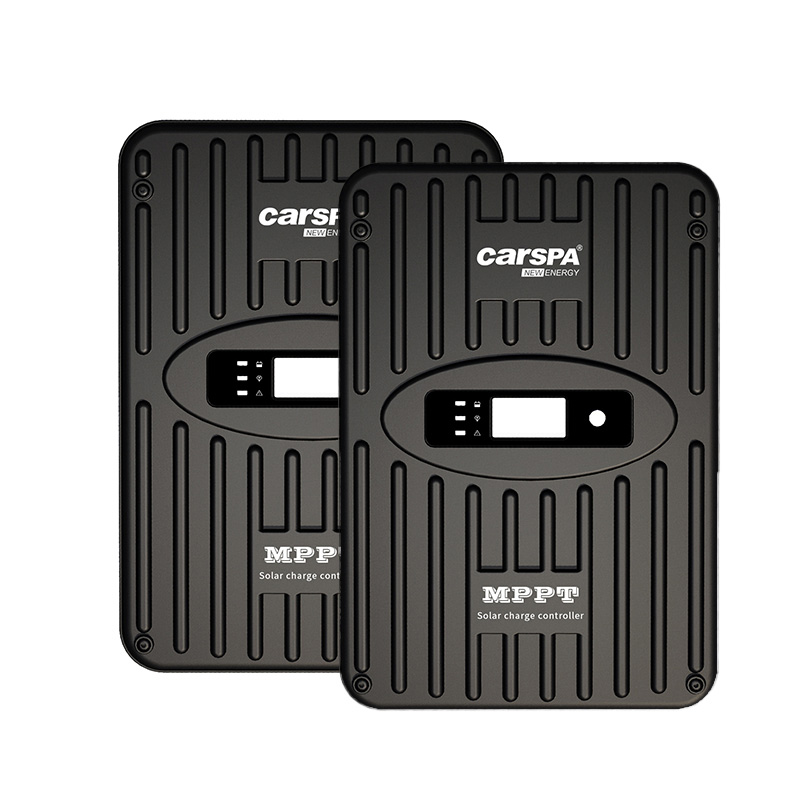
Which Key Features Should Buyers Look for When Choosing an MPPT Controller?
Wide Input Voltage Range
Outdoor solar systems often use panels with different voltage ratings, especially in larger projects. A reliable MPPT controller should support a wide input voltage range, ensuring compatibility with multiple panel types and configurations. This flexibility allows users to expand or adjust their systems without replacing the controller.
High Conversion Efficiency
The effectiveness of an MPPT controller is measured by how much solar power it can successfully convert into usable energy. Look for models with conversion efficiencies above 95%, as higher efficiency means more electricity for your batteries and equipment, ultimately reducing energy waste.
Robust Protection Features
For outdoor environments where conditions can be unpredictable, built-in protection is essential. Quality MPPT controllers provide safeguards against overvoltage, reverse polarity, short circuits, and overheating. These features not only protect the controller itself but also extend the lifespan of batteries and connected devices.
Smart Monitoring and Control
Modern MPPT controllers often come with LCD displays, Bluetooth, or remote monitoring options. These features allow operators to track system performance, adjust settings, and identify issues early without physical inspections. For outdoor projects spread across large areas, remote control can save significant time and labor costs.
Durability and Environmental Resistance
Since outdoor systems are exposed to dust, moisture, and temperature fluctuations, durability is key. Controllers with rugged casings, waterproof ratings, and advanced cooling systems are better suited for long-term use in harsh conditions. Investing in durable designs reduces the risk of unexpected breakdowns.
Conclusion
The role of an MPPT controller in outdoor energy systems goes far beyond simple power regulation. By maximizing solar energy conversion, stabilizing system output, protecting batteries, and reducing long-term operational costs, it has become an essential component for ensuring efficiency and reliability in diverse outdoor projects. From remote construction and agricultural irrigation to field research and emergency backup systems, the benefits of MPPT technology are clear: higher energy yield, longer equipment lifespan, and improved return on investment.
As outdoor applications continue to grow in scale and complexity, selecting the right MPPT controller with advanced features such as wide input voltage support, intelligent monitoring, and robust protection becomes critical. A well-chosen controller not only ensures smooth daily operations but also delivers sustainable value for years to come.
For businesses and project developers seeking proven solutions, CARSPA provides high-quality MPPT controllers designed to meet the demands of modern outdoor energy systems. With a focus on efficiency, durability, and long-term reliability, CARSPA helps you achieve energy independence while minimizing costs and maximizing performance.