
How Can a Battery Monitor Reduce Costs and Extend Battery Life? 5 Questions Answered
In today's rapidly evolving energy landscape, the demand for reliable power storage and efficient energy usage has never been greater. Whether in renewable energy systems, industrial facilities, or backup power applications, batteries play a critical role in ensuring continuous operation. However, without proper oversight, even the most advanced batteries can suffer from inefficiency, reduced lifespan, or unexpected failure. This is where a battery monitor becomes essential.
A battery monitor is more than just a measuring device; it is the foundation of intelligent energy management. By continuously tracking voltage, current, temperature, and state of charge, it provides actionable insights that help operators optimize performance, extend battery life, and avoid costly downtime. As energy systems move toward higher integration with solar, wind, and smart storage solutions, the role of the battery monitor has shifted from a supporting tool to a central component of efficiency and safety.
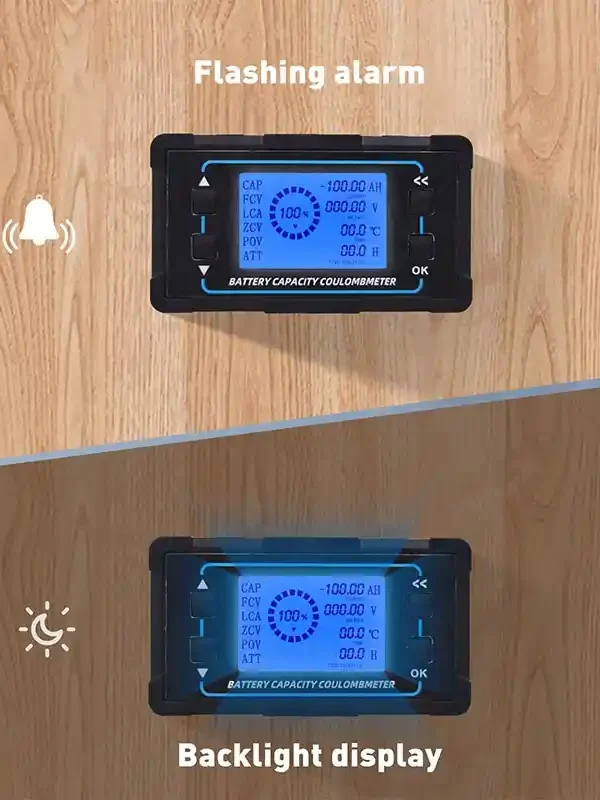
With growing attention on sustainability and cost-effectiveness, understanding how a battery monitor works and why it matters is no longer optional—it is a necessary step toward building smarter and more resilient energy systems.
What Is a Battery Monitor and Why Is It Essential for Modern Energy Systems?
A battery monitor is an electronic device designed to measure and track the real-time status of a battery or a battery bank. Unlike simple voltmeters or charge indicators, a battery monitor provides a comprehensive picture of the battery's condition, including voltage, current flow, temperature, and the state of charge (SOC). This allows operators to see not only how much energy is stored, but also how effectively the battery is being used and how long it can continue to supply power.
Moving Beyond Basic Indicators
Traditional systems often relied on simple charge status indicators that could not detect deeper issues such as imbalanced charging, hidden degradation, or over-discharge. A modern battery monitor addresses these shortcomings by offering precise measurements and predictive analysis, enabling proactive maintenance instead of reactive fixes.
Role in Critical Energy Applications
In renewable energy and storage systems, the battery is the backbone of continuous operation. A failure can lead to costly downtime, unstable performance, or even safety hazards. By using a battery monitor, operators gain visibility into the battery's health, allowing them to make informed decisions, prevent premature wear, and extend the lifespan of the energy system.
Ensuring Reliability and Safety
Beyond performance, safety is a key reason why battery monitoring has become essential. Overheating, overcharging, or deep discharging can cause significant damage or even dangerous failures. A reliable battery monitor includes alarms and protective features that ensure batteries operate within safe parameters, protecting both the equipment and the people relying on it.

How Does a Battery Monitor Improve the Performance of Renewable Energy and Storage Systems?
In renewable energy and energy storage applications, consistency and efficiency are the foundation of reliable operation. A battery monitor ensures that every part of the storage system functions at its best, directly impacting both performance and long-term sustainability.
Optimizing Charging and Discharging Cycles
One of the biggest challenges with solar and wind energy systems is the variable nature of energy production. A monitor continuously measures incoming and outgoing power, adjusting charging and discharging processes to prevent overcharging during peak production or deep discharge during low energy supply. This balance extends the battery's cycle life and improves overall energy utilization.
Extending Battery Lifespan
Energy storage investments are significant, and premature battery replacement can drive up costs. A battery monitor helps operators track parameters like depth of discharge (DoD), voltage imbalances, and temperature fluctuations that affect battery health. By providing early warnings and insights, it ensures batteries last longer while maintaining consistent performance.
Stabilizing Renewable Energy Output
Solar and wind power can fluctuate due to environmental conditions. A battery monitor contributes to stability by ensuring that stored energy is discharged smoothly and predictably. This reduces the risk of power interruptions in residential, commercial, or industrial settings, especially where stable voltage is critical.
Enabling Smarter Energy Management
Modern battery monitors can integrate with energy management systems (EMS), providing real-time data for intelligent decision-making. This allows operators to prioritize loads, schedule charging during off-peak hours, and maximize the efficiency of renewable power usage. In this way, the battery monitor is not just a monitoring device but a key enabler of smarter, more efficient energy systems.
What Key Features Should You Look for in a Battery Monitor?
Not all battery monitors are created equal. Choosing the right one depends on the type of batteries used, the complexity of the system, and the level of monitoring required. Understanding the essential features ensures that your investment brings long-term value and reliable performance.
Real-Time Data Accuracy
A quality battery monitor should provide precise, real-time measurements of voltage, current, state of charge (SOC), and state of health (SOH). Accurate data allows operators to make informed decisions and quickly detect irregularities that could lead to costly downtime.
Remote Monitoring and Connectivity
With the rise of smart energy systems, remote monitoring is becoming a must-have feature. Advanced battery monitors support connectivity through Wi-Fi, Bluetooth, or cloud-based platforms, enabling operators to track performance and receive alerts from anywhere. This is especially useful in large-scale solar farms, off-grid systems, or critical industrial facilities.
Multi-Battery Compatibility
Energy storage systems often use multiple batteries or battery banks. A robust battery monitor should be able to track multiple units simultaneously, ensuring balance across the system. This prevents one battery from degrading faster than the others, which can compromise the entire setup.
Intelligent Alerts and Protection
Early warning systems are vital. A reliable battery monitor should include programmable alarms for issues such as overvoltage, undervoltage, overcurrent, or excessive temperature. These features help prevent dangerous situations and reduce the risk of costly damage.
Integration with Energy Management Systems
For larger facilities, integration with an EMS (Energy Management System) is a key advantage. This allows the battery monitor to share performance data with other smart devices, creating a more efficient, automated, and responsive power management network.
How Can a Battery Monitor Reduce Costs and Prevent Failures?
A battery monitor is not just a diagnostic tool—it is also a strategic investment that directly reduces operational costs and prevents unexpected system failures. By offering continuous insights into battery performance, it helps operators save money, minimize downtime, and maximize the value of their energy storage systems.
Preventing Overcharging and Deep Discharging
One of the leading causes of battery damage is improper charging. Overcharging can lead to overheating, gas release, and permanent degradation, while deep discharging shortens battery life significantly. A battery monitor prevents these issues by providing real-time alerts and automated protections, ensuring batteries remain within safe operating limits.
Reducing Maintenance and Replacement Costs
Without proper monitoring, batteries are often replaced prematurely due to undetected faults. By identifying issues such as voltage imbalance, abnormal temperature rise, or unexpected current draw, a battery monitor allows early intervention. This reduces unnecessary replacements and lowers long-term maintenance expenses.
Avoiding System Downtime
Unplanned failures in energy storage systems can halt operations, disrupt production, or compromise safety. A battery monitor minimizes these risks by predicting potential failures before they occur. With early warnings, operators can schedule maintenance during planned downtimes rather than dealing with costly emergencies.
Enhancing Energy Efficiency
By providing detailed insights into charging and discharging efficiency, a battery monitor helps optimize how stored energy is used. More efficient usage means less wasted energy, translating directly into cost savings, particularly in large-scale renewable energy and industrial applications.
Applications Across Critical Sectors
From telecommunications towers and data centers to industrial plants and transportation systems, battery monitors help keep essential operations running smoothly. In these sectors, the cost of downtime far exceeds the investment in a monitoring system, making it a highly cost-effective solution.
Why Is Choosing the Right Battery Monitor a Strategic Investment?
Selecting the right battery monitor goes beyond ensuring accurate measurements—it is about securing the long-term reliability, efficiency, and safety of an energy system. With the growing reliance on renewable energy and advanced storage solutions, making the right choice can determine whether your system thrives or struggles under demand.
Supporting Long-Term Reliability
A carefully chosen battery monitor provides stability and predictability, two qualities that are crucial in any modern energy system. By constantly tracking performance and health metrics, it safeguards the system from hidden issues that could shorten battery life or cause sudden failures.
Aligning with Industry Trends
Energy systems are becoming smarter, more connected, and more sustainable. Today's advanced battery monitors are equipped with IoT capabilities, remote management tools, and intelligent reporting functions. Choosing a device that aligns with these trends ensures that your energy infrastructure remains future-ready.
Maximizing Return on Investment
While the upfront cost of a high-quality battery monitor may seem like an additional expense, it quickly pays for itself through reduced maintenance, fewer replacements, and extended system lifespan. For organizations managing large battery installations, the savings in operational costs can be substantial.
Enhancing Safety and Compliance
In industries where safety standards and regulatory compliance are non-negotiable, a battery monitor is a critical safeguard. It ensures that batteries operate within approved parameters, helping companies meet safety regulations and avoid liability risks.
Building Competitive Advantage
Reliability, cost-efficiency, and safety are not just operational benefits—they also create a market advantage. Businesses that invest in robust battery monitoring systems can deliver more consistent services, reduce downtime, and strengthen their reputation as reliable energy providers.

Conclusion
In an era where energy efficiency, reliability, and safety are top priorities, the importance of a battery monitor cannot be overstated. From renewable energy systems to industrial applications, it provides the insights and protection needed to keep operations running smoothly. By optimizing charging cycles, extending battery lifespan, and reducing unexpected failures, a battery monitor transforms energy storage from a simple backup into a strategic asset.
For businesses and organizations that depend on uninterrupted power, investing in the right monitoring solution is not just about technology—it is about building resilience and ensuring long-term success. Choosing a high-quality battery monitor is therefore a forward-looking decision that pays dividends in cost savings, performance, and reliability.
For advanced battery monitoring solutions trusted by professionals worldwide, CARSPA offers a range of reliable products designed to meet the needs of modern energy systems.


