
3 Must-Know Truths About Choosing the Right 1000W Power Inverter (And What Happens If You Get It Wrong)
When it comes to off-grid living, RV conversions, solar power setups, or emergency backup solutions, a 1000W power inverter often sits right at the sweet spot between performance and portability. But while many people are quick to order the first model they find online, there are important questions that most overlook—questions that can make the difference between seamless power and a frustrating experience.
So, how do you choose the right 1000W inverter? Is it really enough for your devices? And what happens if you pick the wrong one?
Let's dig into these 3 must-know truths that can guide your decision—and help you avoid costly mistakes.
Is a 1000W Power Inverter Enough for What You Want to Run?
This is the first question that should come to mind—and for good reason.
What Can You Actually Power with 1000 Watts?
A 1000W power inverter can continuously handle appliances and tools that, in total, consume up to 1000 watts of power at any given time. But what does that mean in real-life terms?

Here are a few examples of what you can comfortably run:
| Appliance/Device | Approx. Wattage |
| Laptop | 50–100W |
| LED TV (32–40 inch) | 80–120W |
| Small Blender or Juicer | 250–400W |
| Cordless Tool Charger | 100–150W |
| CPAP Machine (without humidifier) | 30–60W |
| Mini Fridge | 60–100W |
| Wi-Fi Router + Modem | 15–30W |
If you're outfitting a camper van, setting up a small solar system, or just planning for a power outage, a 1000W power inverter gives you the flexibility to run multiple essential devices at once—without being tethered to the grid. It's a practical sweet spot between portability and capability.
One key thing to remember is not all devices run at their rated wattage constantly. For example, a mini fridge may average only 80W, but its startup surge can briefly require over 300W. A well-designed 1000W power inverter like CARSPA's offers surge protection—typically around 2000W for a few milliseconds—which helps cover these brief spikes.
Surge Wattage: The Hidden Challenge
Some appliances—like mini fridges, pumps, or power tools—require more wattage at startup than during continuous operation. This phenomenon is called surge power, and failing to account for it is one of the most common mistakes users make when selecting an inverter. A quality 1000W power inverter will specify both continuous and surge wattage ratings, ensuring that devices start safely and run smoothly.
For example, CARSPA's 1000W power inverter is designed with a surge peak of up to 2000W, giving users peace of mind when powering small compressors, fans, or induction motors. If your inverter lacks this capacity, those brief spikes could shut down your system—or worse, damage it.
So before you decide on a power inverter, make a quick list of everything you plan to run—then check each device's running wattage and surge rating. If the total is close to 1000W or the surge exceeds your inverter's peak, it may be time to scale up or distribute loads.
What Should You Look for in a Reliable 1000W Inverter?
Buying a power inverter isn't just about wattage—it's about stability, safety, and compatibility.
Pure Sine Wave vs. Modified Sine Wave
If you're running sensitive electronics—like laptops, smart TVs, CPAP machines, or even microwave timers—you'll want a pure sine wave inverter. It mimics the smooth, clean electricity from your home's wall outlets, ensuring devices operate without risk of malfunction or reduced lifespan.
A 1000W power inverter with pure sine wave output—like CARSPA's model—can power sensitive electronics with high reliability and quiet operation. In contrast, modified sine wave inverters, although cheaper, often cause devices to overheat, buzz, or display error messages, especially for equipment with microprocessors.
Even small devices like phone chargers and electric toothbrushes can behave unpredictably on modified wave output. Over time, the long-term cost of equipment wear can outweigh the initial price difference. That's why opting for a pure sine wave 1000W inverter is an investment in reliability.
Built-in Protections That Actually Matter
Not all power inverters include the same safety features—and this is where many generic options fall short. A trustworthy 1000W power inverter should include essential built-in protections, such as:
Overload protection to shut down the inverter before it overheats
Short circuit protection to prevent damage to both inverter and battery
High/Low voltage shutoff to guard against irregular battery output
Over-temperature protection to avoid damage from excessive heat
Reverse polarity protection in case of incorrect wiring
These features are not just add-ons—they're crucial for real-world use. When operating in unpredictable environments like RVs, solar cabins, or emergency setups, your 1000W inverter needs to respond to unexpected conditions automatically and safely.
CARSPA's 1000W model includes all of these protection layers, making it suitable not only for daily power needs but also for critical off-grid applications where safety can't be compromised.

⚙️ Input Voltage Compatibility
One of the most overlooked aspects when purchasing a 1000W power inverter is input voltage. For most users with RV systems, car batteries, or compact solar kits, the expected input is 12V DC. Using a 24V inverter on a 12V battery won't just cause failure—it can permanently damage the unit.
Always double-check your battery setup before connecting any inverter. The CARSPA 1000W inverter is designed for 12V systems, making it a plug-and-play solution for most small to medium mobile power applications in North America.
How Do You Install a 1000W Power Inverter Safely and Efficiently?
Even the best inverter can fail—or cause damage—if it's not installed correctly.
Location, Ventilation, and Mounting
Your inverter needs space to breathe. Avoid putting it in sealed compartments or next to heat-generating equipment. Proper installation starts with location:
Choose a cool, dry area, away from moisture and direct sunlight
Ensure adequate airflow—the built-in cooling fan needs room to circulate air
Mount the 1000W power inverter on a stable surface, ideally close to your battery to reduce voltage drop
Poor placement can cause overheating, reduce lifespan, or lead to shutdowns at the worst times. If you're installing the inverter inside an RV or under the hood of a vehicle, make sure there's at least 2–3 inches of clearance on all sides for ventilation.
Many users choose to install the CARSPA 1000 watt power inverter under a seat or in a storage cabinet with airflow slots, but always ensure the air vents are not blocked by luggage, insulation, or dust.
Wiring and Fuse Size
Wiring is another key part of the installation process. A common mistake is using thin or overly long cables, which creates voltage drop—resulting in less efficient operation and potential overheating.
For a 12V battery system powering a 1000W power inverter, follow these wiring guidelines:
Use 4 AWG copper cables or thicker (the shorter, the better)
Install an in-line fuse (100–125A) as close as possible to the positive battery terminal
Keep the total cable length (positive + negative) under 10 feet if possible
The fuse is there to protect your inverter and wiring in case of a short circuit. Without it, a sudden surge could result in melted cables or even fire.
CARSPA provides clear, beginner-friendly instructions for its 1000W inverter models and offers optional wiring kits for those who prefer plug-and-play solutions. Taking the time to wire correctly ensures maximum efficiency and extends the life of both your inverter and your battery.
What Are the Common Mistakes People Make With 1000W Inverters (And How to Avoid Them)?
Even experienced users fall into these traps. Knowing them ahead of time can save you money, time, and frustration.
❌ Mistake #1: Ignoring Power Ratings
Some users plug in too many devices at once, assuming they'll all work as long as they "fit." But if your devices together exceed 1000 watts, even for a few seconds, the 1000W power inverter will shut down to prevent overload. In worse cases, it may even be permanently damaged.
Tip: Use a power meter to measure the actual wattage of your devices before connecting them all at once. This is especially important if you're running devices with heating elements or motors, which tend to have high surge wattage.
Even something simple like plugging in a laptop charger, fan, and a mini fridge simultaneously could push the total wattage too close to the inverter's limit—especially if the mini fridge kicks on its compressor.
❌ Mistake #2: Skipping a Battery Size Check
A 1000W power inverter running at full capacity can draw about 80–90 amps from a 12V battery. That's a huge current load, and if your battery isn't up to the task, you'll notice rapid voltage drops, overheating, or even battery damage.
If you're using a single car battery to power a 1000W inverter, you're likely going to be disappointed. These inverters are best paired with deep-cycle batteries like AGM, GEL, or LiFePO4, which are designed for sustained power draw.
Recommendation: Use at least a 100Ah deep-cycle battery to ensure your inverter runs efficiently and safely for more than a few minutes.
❌ Mistake #3: Assuming All Inverters Are the Same
Just because two inverters list "1000W" on the label doesn't mean they perform the same. Budget inverters often cut corners on surge capacity, internal components, and cooling systems.
For example, some no-name brands may only handle a 1000W load for a few seconds before triggering thermal shutdown. Others might lack certifications like CE, RoHS, or FCC, which help ensure electrical safety and electromagnetic compatibility.
CARSPA's 1000W power inverter is engineered for sustained output and includes full circuit protection, making it a dependable choice for long-term use in RVs, cabins, mobile workstations, or solar systems.
Why Choose a Trusted Brand Like CARSPA for Your 1000W Inverter Needs?
With so many options on the market, brand trust matters. A reliable 1000W power inverter is not just a purchase—it's a long-term investment in stable, off-grid or mobile electricity. You're relying on this device to power your essentials in unpredictable environments, often far from technical support or backup systems. So, it pays to choose a manufacturer with a solid track record.
CARSPA has spent over 15 years refining inverter technology, building a reputation for safety, consistency, and customer satisfaction. Each CARSPA 1000W inverter undergoes strict quality control testing before it ever leaves the factory. That includes load testing, protection verification, and performance consistency under real-world temperature and voltage variations.
What sets CARSPA apart is its attention to the details that matter:
A true pure sine wave output, ensuring compatibility with sensitive electronics
Smart cooling fan control that adapts to temperature and load in real time
High surge tolerance (up to 2000W), making it ideal for devices like fridges, pumps, or small tools
Full protection suite, covering overload, short circuit, thermal, over/under voltage, and reverse polarity situations
Clearly labeled terminals and installation instructions, which help users avoid common mistakes
In addition, CARSPA provides excellent after-sales support, including warranty services and technical guidance—something often missing with no-name or knockoff inverters that flood online marketplaces.
If you're converting a van, building a solar shed, or just prepping for emergencies, you need to know your 1000W power inverter won't let you down. That's why choosing CARSPA is more than just a brand preference—it's a practical decision rooted in reliability and long-term value.
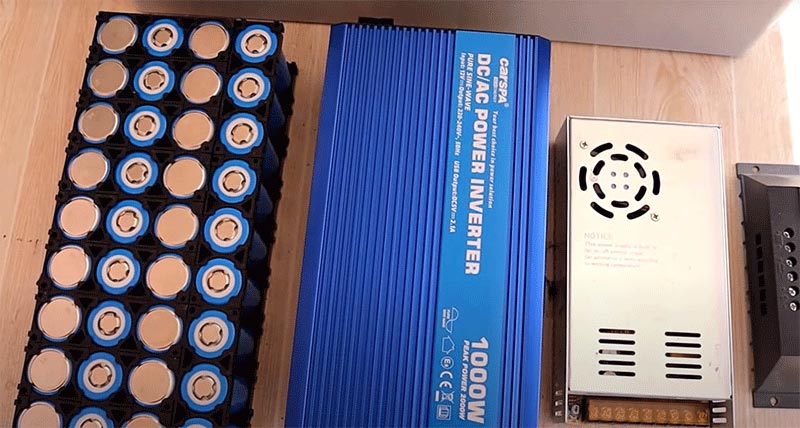
Final Thoughts: Should You Go With a 1000W Inverter?
A 1000W power inverter is the perfect size for small to mid-sized off-grid power needs. But getting the right inverter—one that matches your usage, is safe, and easy to install—is the key to avoiding regrets.
If you’re serious about powering your devices reliably, don’t settle for just any brand. Choose one that’s backed by engineering, safety, and experience. Choose CARSPA.
Explore CARSPA’s 1000W power inverter options today—and bring dependable power wherever you go.


