1000W Power Inverter Guide: Features, Safety, and Brand Tips
In the evolving landscape of mobile energy systems and off-grid applications, selecting the right inverter is no longer a secondary decision—it directly impacts operational efficiency and equipment safety. Among the many options available, the 1000W power inverter strikes a strategic balance: powerful enough to support critical electronics and compact enough for flexible installation. But how do you know if it's right for your system? What technical parameters and use cases should you consider before investing? This article answers these essential questions to help you choose the ideal 1000W inverter for your professional applications.
What Can You Power With a 1000W Power Inverter?
Understanding Load Capacity
A 1000W power inverter provides a solid balance between capacity and portability, making it a go-to solution for small- to medium-scale electrical needs. In practical terms, this means you can power a variety of devices such as LED floodlights, electric drills, router modems, small air compressors, or portable refrigerators. For users in the service sector—like mobile workshops, telecom technicians, and field engineers—this wattage is often sufficient for day-to-day tasks without overburdening the system.

Peak vs. Continuous Power
One of the most critical concepts when evaluating a 1000W inverter is the difference between continuous output and peak surge power. Continuous power is the sustained wattage the inverter can deliver, typically 1000W, while peak power may reach 2000W or more for a few seconds. This short-term capacity is important for inductive loads that draw extra power when starting up—such as motors, pumps, and compressors. Failing to consider surge requirements can lead to unexpected system shutdowns or long-term inverter damage.
Use Cases Across Sectors
In agricultural applications, a 1000W inverter can support small-scale water pumps or automated feeders. In commercial settings, it may be used to run barcode scanners, POS machines, and even CCTV systems during grid outages. For mobile medical units or emergency response vehicles, it enables the operation of diagnostic devices, communication radios, and sterilization tools. By understanding the specific power demands of your equipment, you can match the inverter’s output precisely to your operational needs—avoiding both underperformance and overspending.
Power Consumption Estimation Tip
To ensure proper inverter sizing, add up the wattage of all devices you intend to power simultaneously. Always include a 25–30% buffer above your estimated total to account for startup surges and unexpected power spikes. For example, powering a 150W laptop, a 300W mini-fridge, and a 200W fan simultaneously would total 650W, making a 1000W inverter a safe and efficient choice with room to spare.
Is a Pure Sine Wave Inverter Worth the Extra Cost?
Why Waveform Matters
The type of output waveform produced by an inverter directly affects how efficiently and safely your devices operate. A pure sine wave inverter generates electricity that closely replicates the smooth and consistent waveform provided by utility grids. This is especially important for sensitive electronics such as laser printers, industrial PLCs, digital meters, and medical equipment, which rely on clean and stable power to function properly. In contrast, modified sine wave inverters deliver a more abrupt, choppy waveform, which may cause electrical noise, overheating, or even permanent damage in some applications.

Efficiency and Compatibility
One of the primary advantages of pure sine wave inverters is their broad equipment compatibility. Devices with AC motors, variable-speed drives, or programmable controllers often require sine wave power for optimal performance. Using a modified sine wave inverter in such cases may result in reduced torque, increased vibration, or audible humming. In environments like manufacturing, marine operations, or mobile service vehicles—where system integrity is non-negotiable—pure sine wave inverters minimize energy losses and ensure operational stability.
When Modified Sine Wave Might Suffice
If your use case is limited to resistive loads such as incandescent lighting, kettles, or basic heating elements, a modified sine wave inverter might fulfill your needs at a lower upfront cost. However, these savings could be offset by higher maintenance costs or device replacement in the long term, particularly when equipment suffers from improper waveform input. Additionally, many modern appliances—such as LED lighting systems, smart chargers, and Wi-Fi routers—have internal electronics that prefer or require clean sine wave input.
Return on Investment (ROI)
While pure sine wave inverters typically come at a higher price point, the added reliability, extended lifespan of connected devices, and reduced troubleshooting time often result in a superior long-term ROI. For businesses that cannot afford equipment downtime or power quality inconsistencies, the investment in a pure sine wave model becomes not only justifiable but essential.
Industry Trends
Today, many professionals across logistics, telecom, and agriculture sectors are transitioning to pure sine wave inverters to future-proof their operations. As equipment becomes more digitally integrated and energy management more precise, waveform quality is no longer an optional feature—it's a baseline requirement.
How Do You Ensure Safe and Stable Operation?
Input Voltage and Battery Configuration
To operate a 1000W power inverter safely and efficiently, selecting the correct input voltage is critical. Most inverters in this class are compatible with 12V or 24V battery systems. A 12V system is more common for mobile setups like vans or RVs, while 24V configurations offer better efficiency and lower current draw, especially useful in fixed installations or longer cable runs. Choosing the right configuration minimizes heat generation and ensures consistent performance.
Cable Sizing and Voltage Drop
Improper cable sizing is a common cause of performance loss. When the inverter is located far from the battery bank, voltage drop can result in poor output or overheating. For a 1000W system, a minimum of 4 AWG cable is often recommended for short distances, with thicker gauge cables required for longer runs. Always ensure tight, corrosion-free connections and avoid looping or sharp bends in wires to prevent power loss.
Cooling and Overload Protection
Quality 1000W inverters include intelligent cooling systems, such as temperature-activated fans or passive heat sinks, which help regulate internal temperatures under heavy load. Equally important are built-in protection mechanisms—including overload shutoff, low battery alarms, short-circuit protection, and reverse polarity safeguards. These not only protect your inverter but also shield your downstream devices from electrical failure.
Installation Best Practices
Safe operation starts with professional-grade installation. Inverters should be mounted on non-flammable surfaces, with at least 10–15 cm clearance around vents to allow proper airflow. Enclosures must be dry and dust-free, especially in desert or coastal environments where corrosion and thermal buildup can be problematic. When mounting inside vehicles or control cabinets, vibration-damping brackets are highly recommended to protect internal circuitry.
Grounding and Isolation
Proper grounding is crucial for safety and compliance. Depending on the inverter design, grounding may be required on the DC side (battery negative), AC side (neutral), or both. Consult the manual or a certified electrician to ensure you're not introducing ground loops, which could result in shock hazards or equipment malfunction.
Real-World Example
A telecom company operating remote relay towers in northern Europe implemented 1000W inverters to power network equipment. Initially, poor grounding and cable layout caused erratic performance. After redesigning the wiring and introducing heat-insulated enclosures with proper ventilation, the system ran continuously for 18 months without a single shutdown—proving how small installation details make a big operational difference.
What Should You Look for in Terms of Build Quality and Certification?
Material and Design
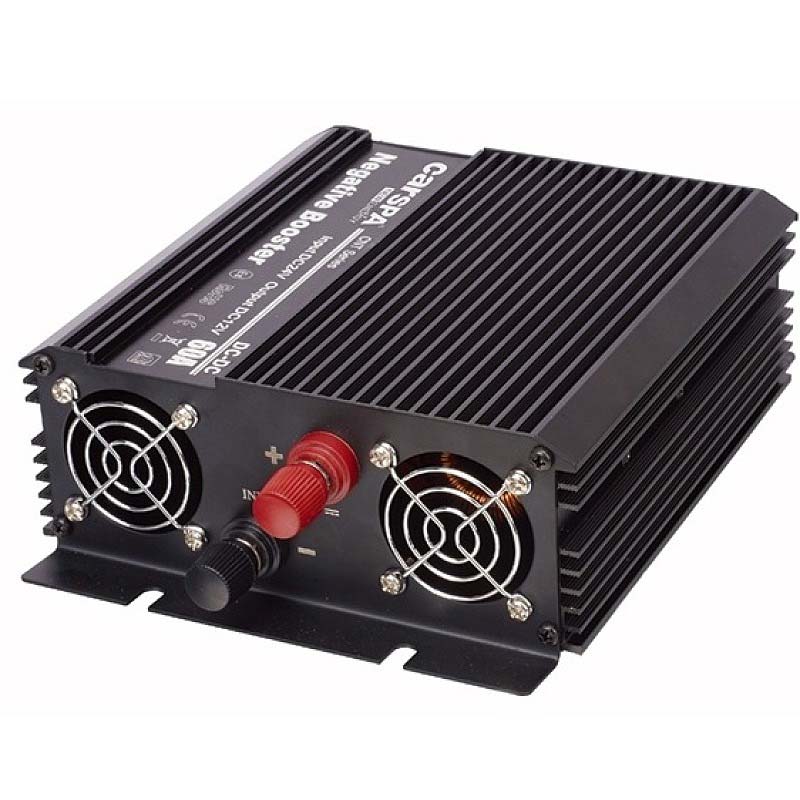
The outer casing of a 1000W power inverter isn't just about aesthetics—it's a functional barrier against heat, moisture, and mechanical shock. Aluminum alloy enclosures are preferred in professional-grade inverters because they are both lightweight and highly effective at dissipating heat. Internally, robust models use copper transformers, high-voltage ceramic capacitors, and MOSFET transistors that withstand prolonged operation under high load without thermal breakdown. In regions with high ambient temperatures or dusty environments—such as industrial zones or coastal installations—these hardware advantages can extend product life significantly.
Component Durability
Look beyond the outer shell. Quality inverters include PCB boards with protective coating, corrosion-resistant terminals, and high-quality cooling fans rated for 50,000+ hours of operation. Some units are even equipped with anti-vibration mounting plates for mobile deployment. These features are vital for logistics fleets, mobile power units, and offshore installations where constant movement and environmental stress are a factor.
Certifications and Standards
Before selecting a 1000W power inverter, verify that it complies with recognized safety and electromagnetic compatibility standards. In Europe, look for the CE marking, which confirms conformity with EU regulations. Other certifications such as RoHS (Restriction of Hazardous Substances), EMC (Electromagnetic Compatibility), or even E-Mark (for automotive use) indicate the unit is safe, environmentally responsible, and compliant for cross-border transport and use.
Industry-Specific Approvals
Some industries require even stricter testing. For example, telecom or medical sectors may need ISO-certified manufacturing, UL listings, or compatibility with EN standards. If your inverter will be integrated into critical infrastructure, it’s worth checking whether the brand provides third-party lab test reports to support these claims.
User Interface and Monitoring
In today’s connected world, inverter usability extends beyond the hardware. Many advanced 1000W inverters now come with multifunction LCD displays that show real-time data like input voltage, output load percentage, fault codes, and battery levels. Others include remote control ports, Bluetooth modules, or app-based monitoring to help technicians access performance data from a distance. This is especially helpful in distributed energy systems or vehicle-based applications where physical access to the inverter may be limited.
Brand Accountability
Well-built power inverters are backed by transparent documentation and long-term warranties. Reliable manufacturers clearly state their compliance documents, performance charts, and safety warnings. This not only builds trust but also simplifies the approval process when installing the unit within regulated industries or government-funded projects.
How Do You Choose the Right Brand or Model?

Warranty and After-Sales Support
Choosing the right 1000 watt power inverter isn’t just about specs—it’s also about long-term reliability. A reputable manufacturer should provide a clear warranty policy, typically ranging from 12 to 36 months, covering defects in materials or workmanship. But warranty is only part of the equation. Consider the response time for support, availability of technical documentation, and whether there’s a local distributor or service center in your region. These factors can make a major difference in downtime risk if your system fails during critical operations.
Product Customization and System Matching
Different industries have different technical requirements. For example, a 1000W inverter used in a solar-powered agricultural setup may require MPPT-compatible inputs or a remote ON/OFF port for integration with automated control panels. Meanwhile, fleet operators might prioritize compact form factors, ignition interlock features, or low-noise cooling fans. Some inverter models are even available in modular or stackable formats, enabling businesses to scale capacity later without replacing the entire setup. Choosing a brand that offers flexibility in configuration ensures that the product aligns precisely with your specific operating needs.
Technical Parameter Alignment
Before finalizing a purchase, ensure that the inverter matches your battery system in terms of input voltage, output waveform, and load demand. Even among 1000W-rated inverters, there can be significant variation in efficiency (usually between 85–95%), no-load power draw, and cooling behavior under high temperature. Check for published performance curves and detailed datasheets—not just promotional claims. High-end models often include thermal derating logic or adjustable power thresholds, which are particularly useful for remote or temperature-sensitive installations.
Reviews and Market Reputation
In a market filled with countless inverter brands, user reviews, independent benchmarks, and case studies can provide valuable insights. Look for products with proven use cases in environments similar to your own—such as agricultural fields, telecom sites, service vehicles, or mobile labs. Brands that consistently earn positive feedback for durability, ease of use, and service quality are more likely to meet your long-term expectations.
A Brand You Can Trust
One example of a manufacturer recognized for producing robust and efficient 1000W power inverters is CARSPA. With a strong presence in both European and Middle Eastern markets, CARSPA offers pure sine wave inverters designed for demanding professional applications. Their inverters feature intelligent protection circuits, high conversion efficiency, and reliable after-sales support—making them a preferred choice for integrators and resellers alike.
Conclusion
A well-chosen 1000W power inverter is more than just a backup tool—it's a foundational component for reliable, decentralized power. Whether you're powering mobile tools, remote communication systems, or standalone irrigation setups, the right inverter ensures continuity, safety, and cost-efficiency. By focusing on waveform quality, build standards, protective features, and manufacturer support, you can make a purchase decision that supports your operations for years to come. For those seeking a trusted brand with proven performance in both Middle Eastern and European markets, CARSPA offers a range of 1000W inverters engineered for high-demand environments.